













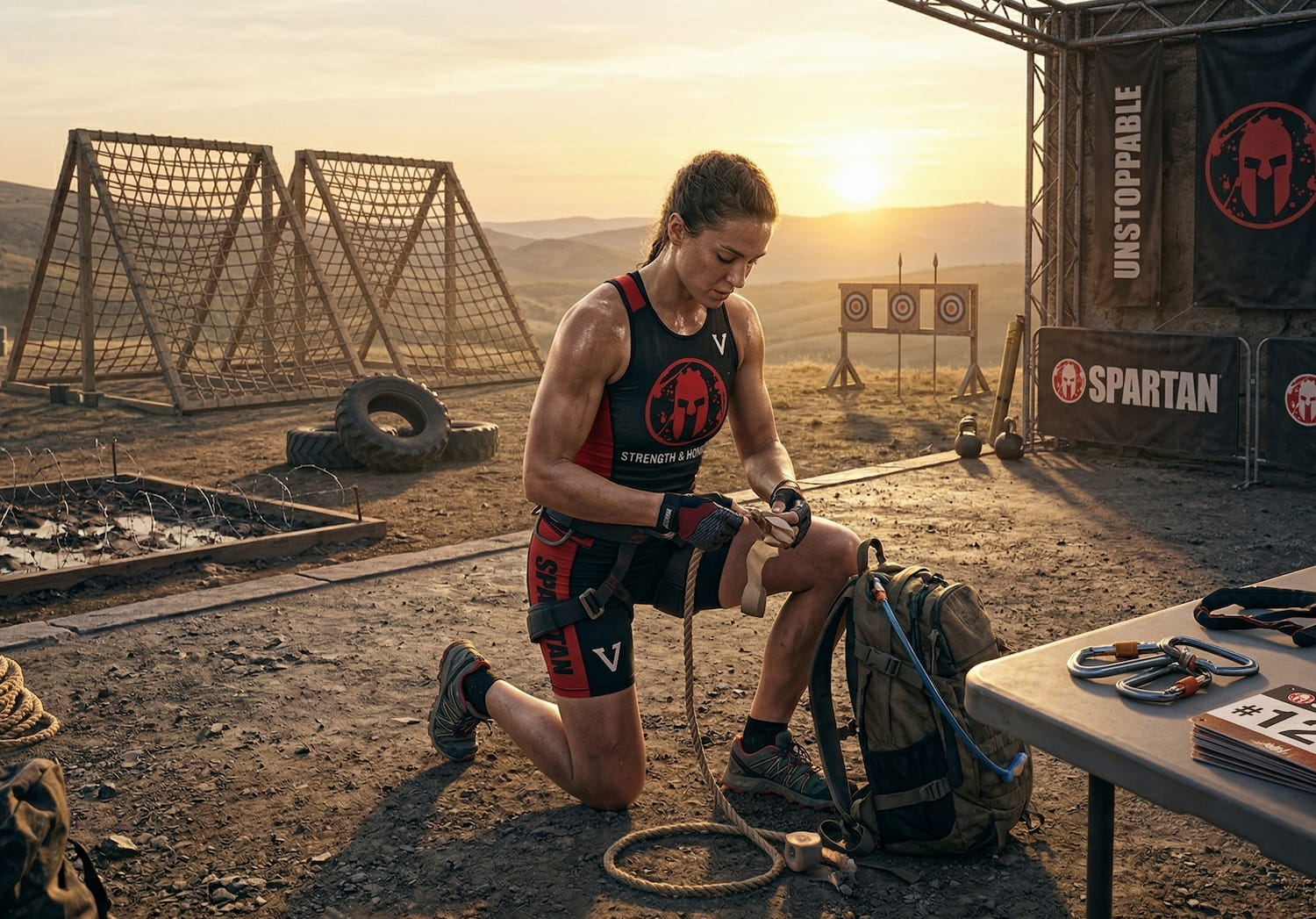
Spartan Races, or more generally obstacle races, have been popular for a few years now, with people looking for new ways to challenge themselves and to test their agility and technical skills over a set distance.
Short races start at around 5 km, with Super Spartan Races reaching more than 15 km. To be completely honest, most Spartan Races are designed to be pretty tough, but with so many people taking part you may get a breather at each obstacle simply because you can’t reach it until the crowd has moved on.
It's as much a social experience as a fitness challenge, but you still need to be in decent shape if you expect to have a chance at any of these races competitively.
With speed, agility and endurance as part of the package required to tackle a Spartan, and thanks to the Velites team's natural passion for getting involved in these things, here are our best tips to prepare for (and conquer) your first Spartan Race. At the end of the article you'll find a downloadable PDF infographic with workouts to prepare for the Spartan over 30 days. Don't miss it.
Spartan Race 101: The basicsThe Spartan is essentially an on-foot obstacle race that is laid out over from 5 km up to 15/20 km. You'll face dozens of people, encountering obstacles along the way that include:
- Carrying stones
- Crawling under barbed wire
- Carrying buckets full of rocks
- Jumping over fire
- Lifting weights
- Getting over, under, through things
- Climbing ropes
- Throwing spears
- Using a zip line
You’ll probably end up covered in mud, and those who finish get a t-shirt and a medal. It's as hard as you want to make it, but if you want to approach it competitively then applying a little common sense to your training routine will help a lot.
Work on your endurance
It's a good place to start. If you've never run 5 km before, then start running. You won't run the whole time, and you’ll be able to rest while you wait for obstacles to clear, but knowing how to run is still a good idea.
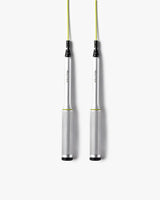
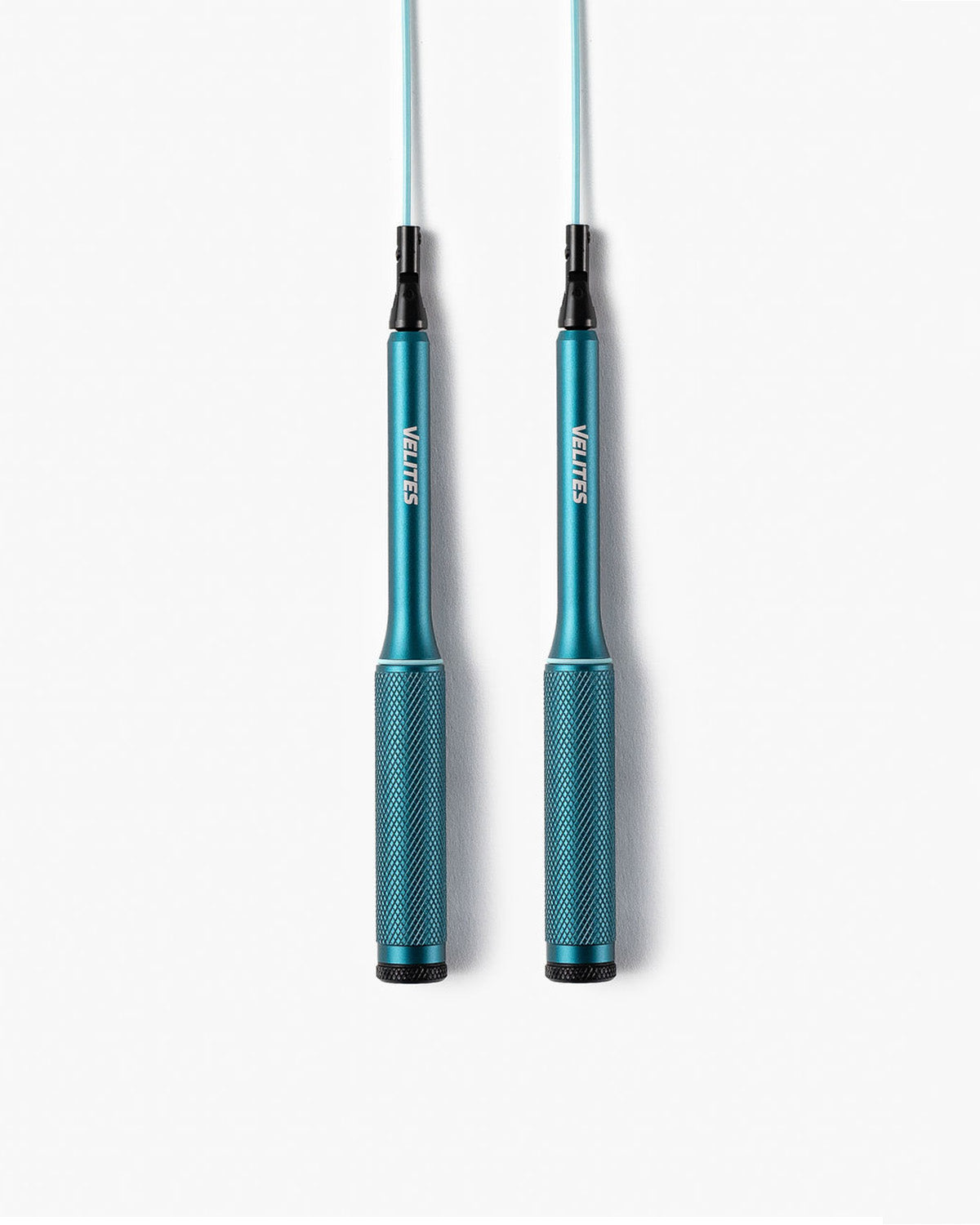
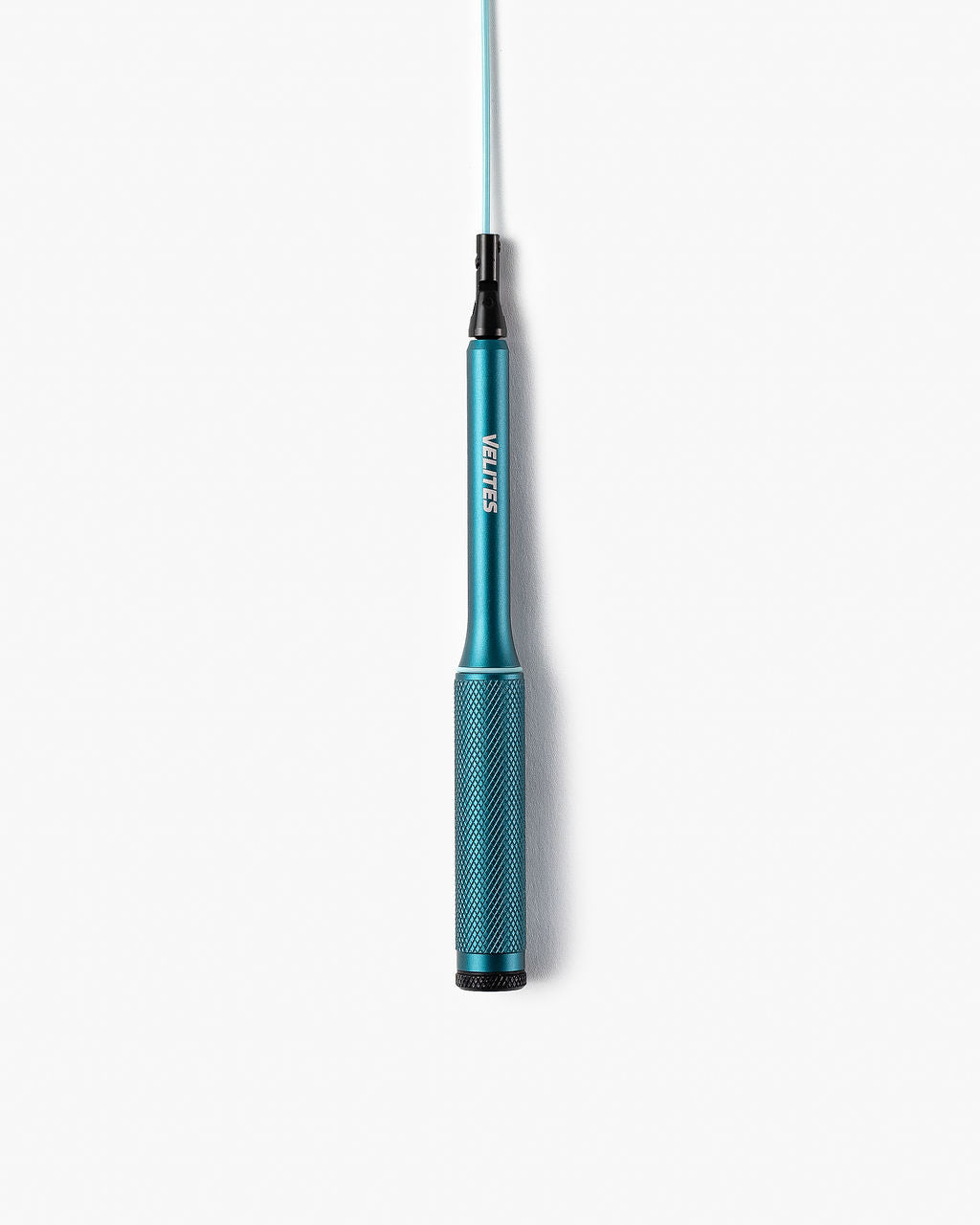
Recommended: The Velites Fire 2.0 is the perfect tool to train your speed, agility and endurance, and should be one of the essential pieces of kit in your Spartan Race training routine.
Try running at a steady pace, and incorporate sprints into your runs as well. Take the rope with you on your runs, and every 500 m stop and do some double unders. This gets your body used to stopping and starting again, and to switching between intensities and movements according to pace.
Do bodyweight exercises
Spartan Races are obstacle races, which means that you'll spend a lot of time crawling, climbing, swinging and balancing. You'll also have to contend with so-called “odd objects”—things with awkward shapes that are the worst to handle, and are designed to test your technique, strength and problem-solving.
A good way to start is with bodyweight exercises. Getting used to feeling your body move with and against itself, becoming strong and being able to move your own weight will make life much easier once you're in the race.
Skipping, push-ups, sit-ups, burpees, air squats — these are all your friends when training for your first Spartan Race. As with running, mix and test different tempos in these movements over extended periods, and work in sprints whenever you can.
Move odd objects
One of the hallmarks of the Spartan Race is odd objects. Buckets filled with mud or sand, moving nets, atlas stones — all the things you don't normally find in a regular gym or even a CrossFit box. Get creative: fill buckets with water or sand and carry them across balance beams. Spend time moving heavy things, even try long distances moving living-room furniture.
It doesn't matter what you have, as long as it's hard to move and carry. The stranger it is, the better — it will help you in the race.
Some of our favorite odd objects are:
- Buckets of water
- Living-room furniture
- Large pets
- Bicycles
- Broom handles with weights attached to them
- Bags full of heavy books and magazines
- Compost bags
Eat well, rest a lot
This goes without saying, right? If you're training seriously for any kind of competition or race, then eating well is key. If you're going to do one of the longer races you need plenty of carbohydrates and you should start consuming them several days beforehand.
Taking a rest day before the race can also help ensure your body is at 100%. Without soreness or pain, you'll go to your first Spartan Race with your body fully ready.
Stay relaxed, warm up properly and make sure you have spare shoes and clothes. If it's a particularly tough race, some organisers may have ice packs or even ice baths for athletes. Use these if you think you'll have soreness after the race.
Aside from that, just go and have fun. These Spartan Races are more about having fun and socialising than finishing first. Anyway, with so many people fighting for space at the obstacles, it's very hard to know who is actually in the lead.