








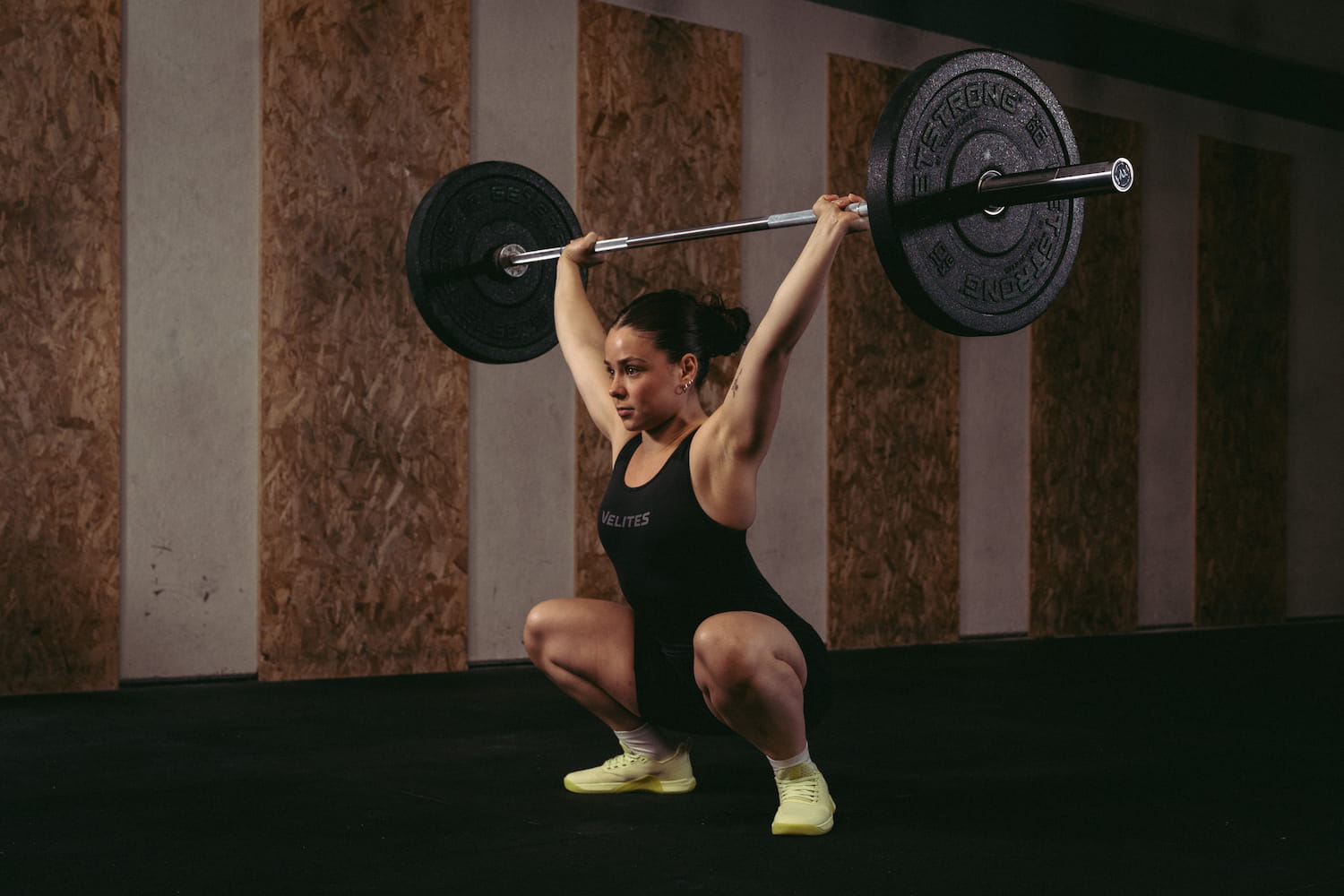
The XENOM Event 001 is there for a reason. Kicking off the competition with a 1RM Snatch is a statement of intent: this competition is about proving complete fitness, and explosive strength is the first test.
You have 9 minutes, 4 attempts and 90 seconds of rest between attempts. One single bar. And your nervous system at 100% because it’s the first event of the weekend. Objectively, it’s the best moment in the whole competition to set a PR.
In this post we explain exactly what Event 001 consists of, how many points you can earn based on your lift, how to manage attempts in competition, and what equipment to use to face it at the highest level.
More info on the full XENOM event here
How many points it’s worth and how the EPI works in the Snatch
XENOM doesn’t score by placing but by absolute performance. The system is called Elite Performance Index (EPI) and is based on the same mathematical formula that has scored the Olympic decathlon since 1984:
Points = A × (P – B)^C
Where P is your mark in kilos, B is the minimum threshold to score, C is the progressivity exponent (the higher C is, the more high marks are rewarded), and A is the scale coefficient that calibrates the curve.
The result: each additional kilo on the bar is worth more points than the previous one. It’s not linear, it’s progressive. Reaching 1,000 points in the snatch equals matching the reference benchmark for your division.
How many kilos do you need to reach 1,000 points?
| Division | Men | Women |
|---|---|---|
| Elite | 153 kg | 105 kg |
| RX | 153 kg | 105 kg |
| Compete | 153 kg | 105 kg |
The 1,000-point benchmark is the same across all divisions — what changes between Elite, RX and Compete are technical movement standards and loads on other events, not the snatch scoring ceiling. This means a Compete athlete who reaches 153 kg scores the same as an Elite with the same lift.
What does your total EPI mean?
Your snatch score is added to the other 9 events to build your global EPI. These are the reference ranges:
| Range | Score | Meaning |
|---|---|---|
| World Class | 7,001+ | The top of the global index |
| Podium | 5,001 – 7,000 | Championship-level athlete |
| Proven | 3,501 – 5,000 | Demonstrated performance across all domains |
| Competitive | 2,001 – 3,500 | You're in the race |
| Starting Line | 0 – 2,000 | All athletes start here |
A good snatch can give you between 600 and 1,200 points depending on your lift. In a total possible EPI of 10,000, Event 001 can make the difference between staying in Competitive or climbing to Proven.
What level you need to compete in each division
The 1,000-point snatch benchmark is 153 kg for men and 105 kg for women across all divisions.
But what athlete profile does each mark represent in reality?
Elite Division
153 kg (M) / 105 kg (F) is territory for a high-level athlete with years of specific Olympic lifting work. We're talking about someone who regularly competes in the upper ranks of the CrossFit Open, masters snatch technique under pressure and has a serious history of Olympic strength training.
If your 1RM is in this range, Event 001 can be a significant source of points. If not, the goal is to get as close as possible to the benchmark because every kilo counts in the EPI.
RX Division
The scoring benchmark is the same as Elite, but the athlete profile is different. A solid RX snatch range is usually 100–130 kg (M) and 70–90 kg (F). That translates to an EPI of roughly 500 to 850 points in this event. A score perfectly competitive within the division if complemented by the rest of the events.
Compete Division
It’s the most accessible division and where the snatch can be the most level event in the competition.
A Compete athlete with solid technique and a 1RM of 80–100 kg (M) or 55–70 kg (F) is already in a competitive range. Here technique under pressure is worth as much or more than the kilos you lift. A clean snatch on the first attempt can beat someone stronger who misses two attempts due to nerves.
Universal advice for all divisions
Regardless of your division, the snatch in XENOM has a particularity that sets it apart from usual training: it’s the first event of the day, with the nervous system fresh but also competition nerves at maximum. That combination can either spike your lift or crush it depending on how you manage it.
Mental preparation is as important as physical preparation.
Attempt strategy: how to manage the 9 minutes
9 minutes. 4 attempts. 90 seconds between them. Event 001’s format is simple but demands a clear strategy before you step on the platform. Don’t improvise; you must arrive with everything thought out and planned in advance.
The opening rule: never open with your max
The first attempt should be set between the 88-90% of your PR. There are two reasons for this.
First: a failed first attempt is a major mental blow early in a two-day competition.
Second: the nervous system needs a progressive activation even when it’s fresh. A successful opening attempt calibrates the body and mind for the following lifts.
Ideal distribution of the 4 attempts
A sample progression for an athlete with a PR of 120 kg could be:
- Attempt 1: 107–108 kg (89% of PR) — activation and confidence
- Attempt 2: 113–115 kg (94% of PR) — progressive increase
- Attempt 3: 119–120 kg (99–100% of PR) — match the PR
- Attempt 4: 122–125 kg (102–104% of PR) — attack the PR only if attempt 3 was clean
If you miss attempt 3, attempt 4 should be conservative. Repeat the same weight or increase very little. There’s nothing to gain by risking a fourth miss.
The 90 seconds between attempts
90 seconds is little time.
You must be crystal clear on your next weight before the previous attempt ends. The between-attempt protocol should always be the same: drop the bar, breathe, step away from the platform, confirm the next attempt weight and prepare mentally.
The most common competition errors
Opening with too much weight. The adrenaline of the first event leads many athletes to open above what they should. Decide your opening weight days before, cold, and do not change it on competition day.
Changing the attempt plan on the fly. The euphoria of a good second attempt will tempt you to increase more than planned. The attempt plan is made with a cool head, not in the heat of the moment.
Poorly managed warm-up. Finish the warm-up with an attempt at 90–92% about 3–4 minutes before your first official attempt. Not too close, not too far.
Technical failure due to pressure. Competitive pressure speeds up the pull and shortens the reception. Practice the snatch in competitive simulation conditions during training.
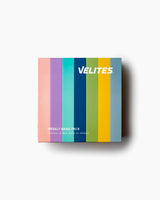
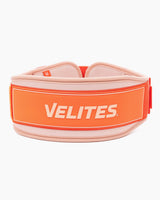
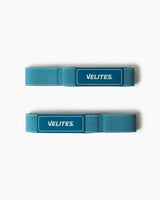
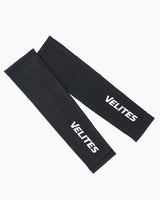
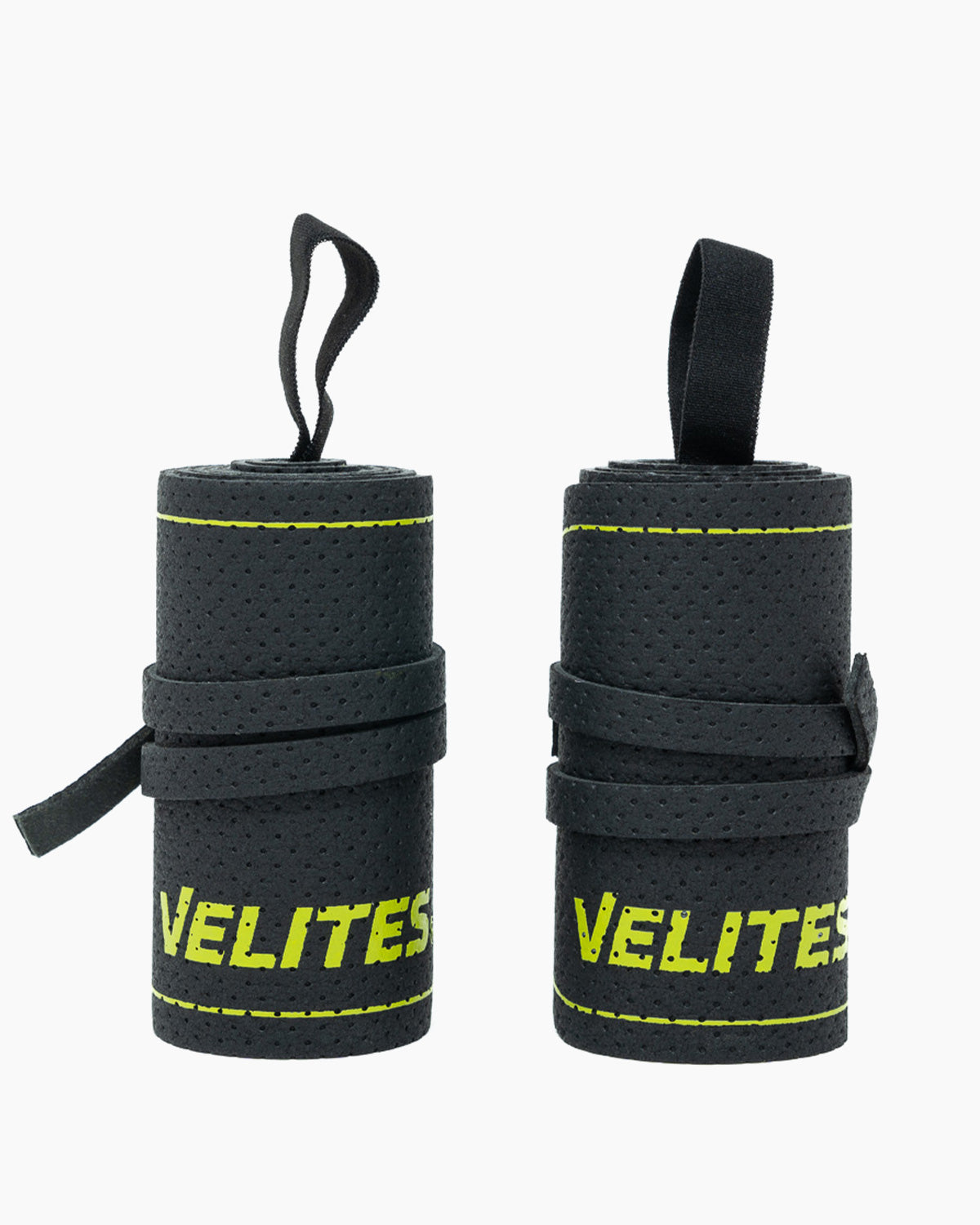
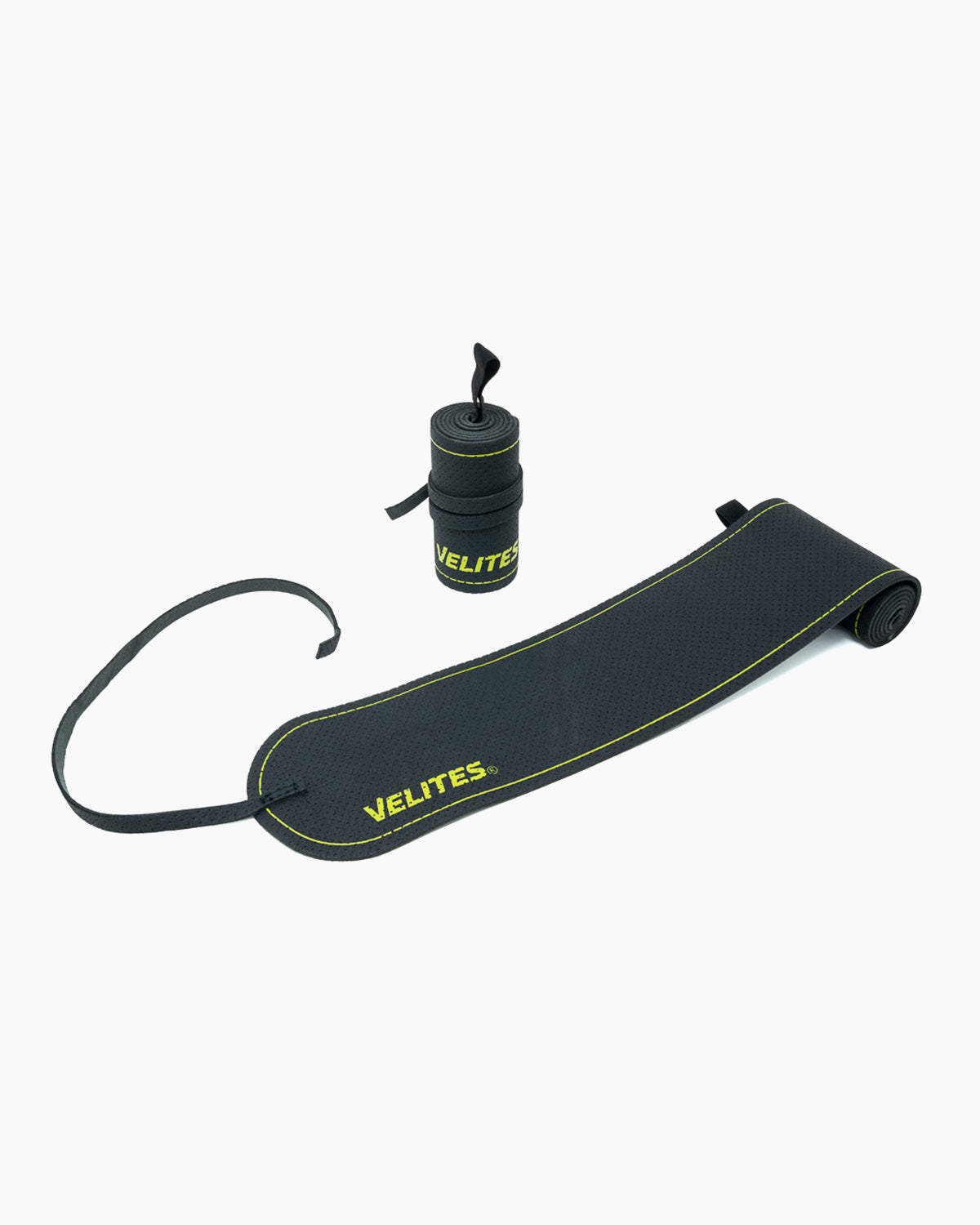
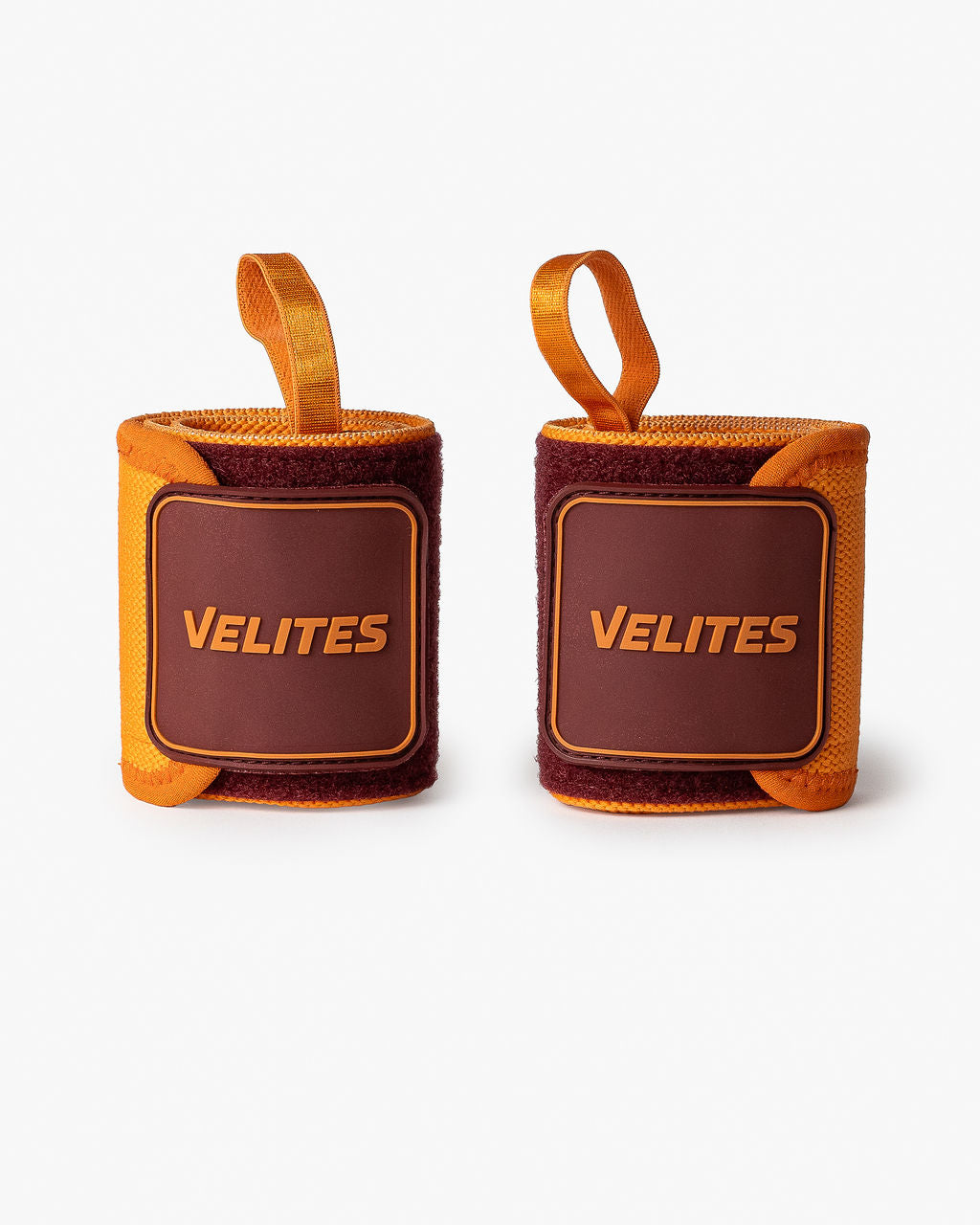
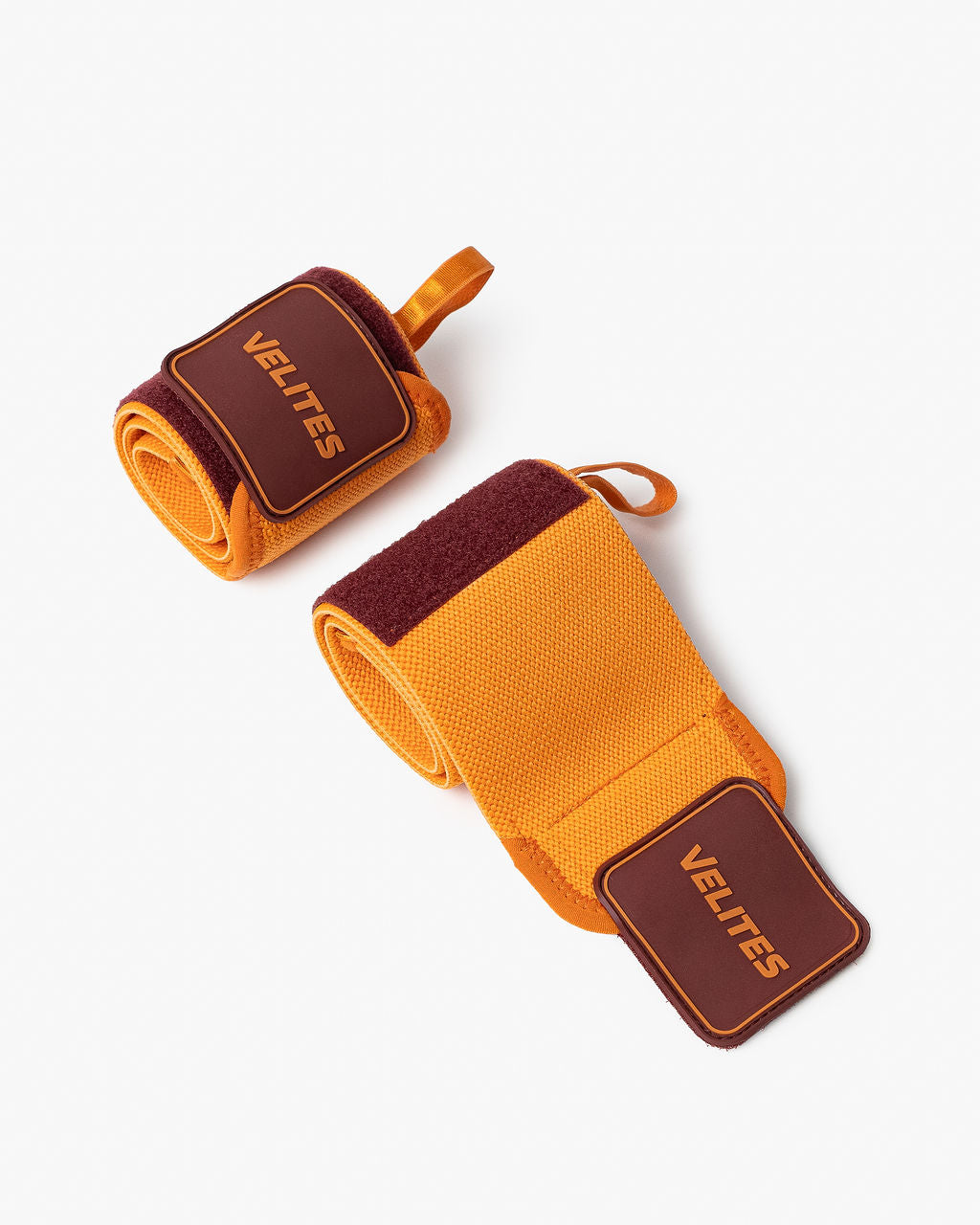
Wrists without support. The snatch requires maximum wrist extension in the catch. Some Velites wristwraps well-adjusted protect the joint and provide the stability you need to receive maximal loads with confidence.
How to train the snatch for XENOM: specific programming
Preparing the 1RM Snatch for XENOM is not the same as training the snatch for a WOD.
The objective is simple: arrive at competition with your best possible mark in a single maximal attempt. That requires programming oriented to maximal strength, not volume.
12+ weeks before the event: build the base
The focus is technical volume and base strength.
Work the snatch with moderate weights (70–80% of 1RM), prioritizing movement quality over kilos. Complement with exercises that give you a solid base: snatch pull, snatch balance, overhead squat and hip and wrist mobility work. This is the phase where the base is built that will allow you to increase weight without breaking technique.
8–12 weeks before: maximal strength development
Reduce volume and raise intensity.
Snatch sessions with sets of 1–3 reps at 85–95% of 1RM. Include at least one weekly session to potentiate the nervous system: single attempts at 95–98% to accustom the body to handling maximal loads. The goal of this phase is to raise the strength ceiling.
4–8 weeks before: approach to peak
It’s the time for controlled maximal attempts.
Once per week work up to 100–102% of PR in a low-fatigue environment, rested, with specific warm-up, simulating competition conditions. This is where new PRs are consolidated before the event.
1–2 weeks before: taper and activation
Drastically reduce volume.
This is not the time to set PRs in training; it’s the time to arrive fresh at the event. Maintain activation with attempts at 80–85% and focus on technical quality and mental preparation.
Training equipment that matters
Train with the same equipment you will use in competition.
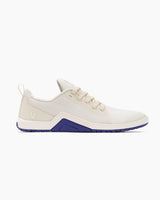
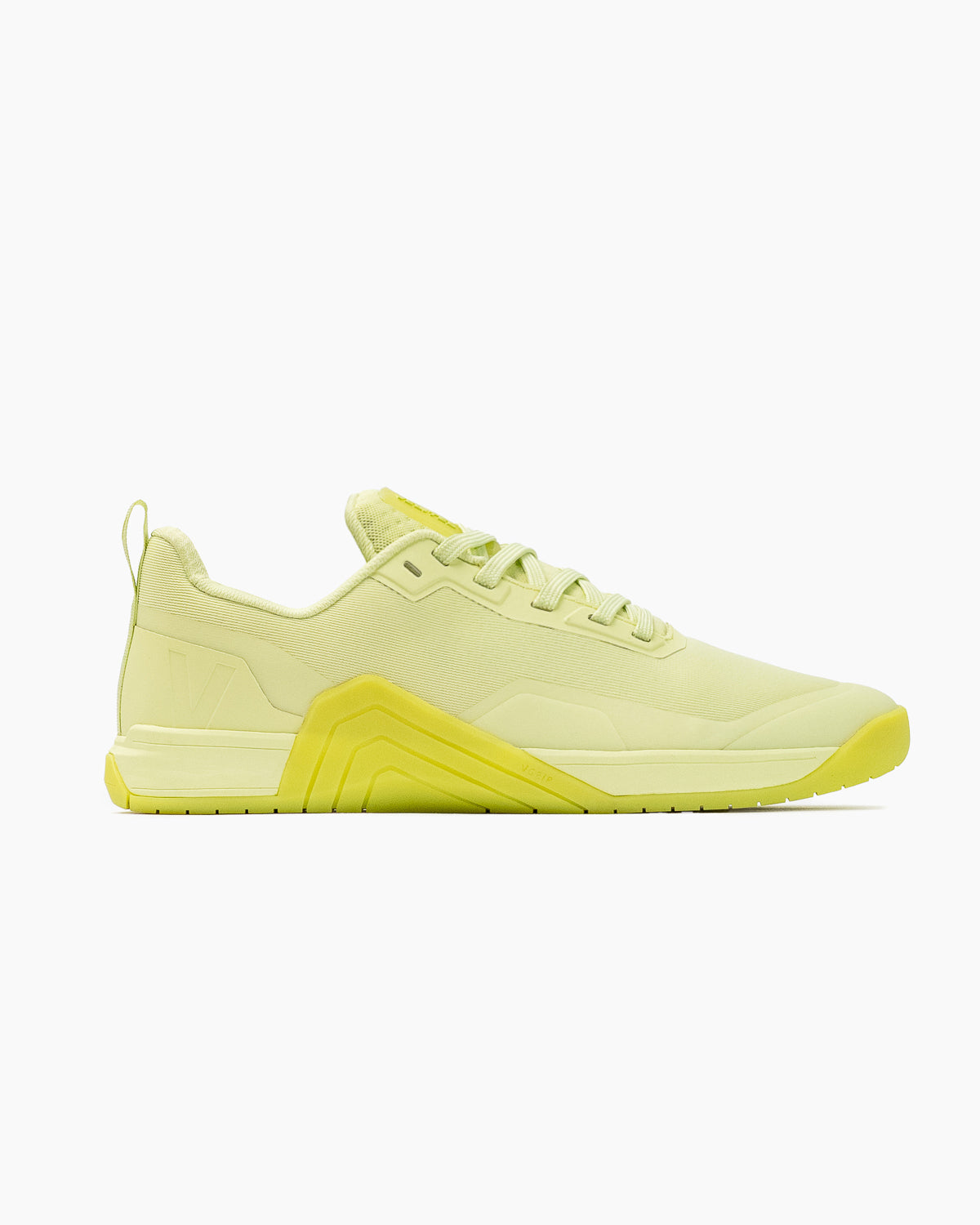
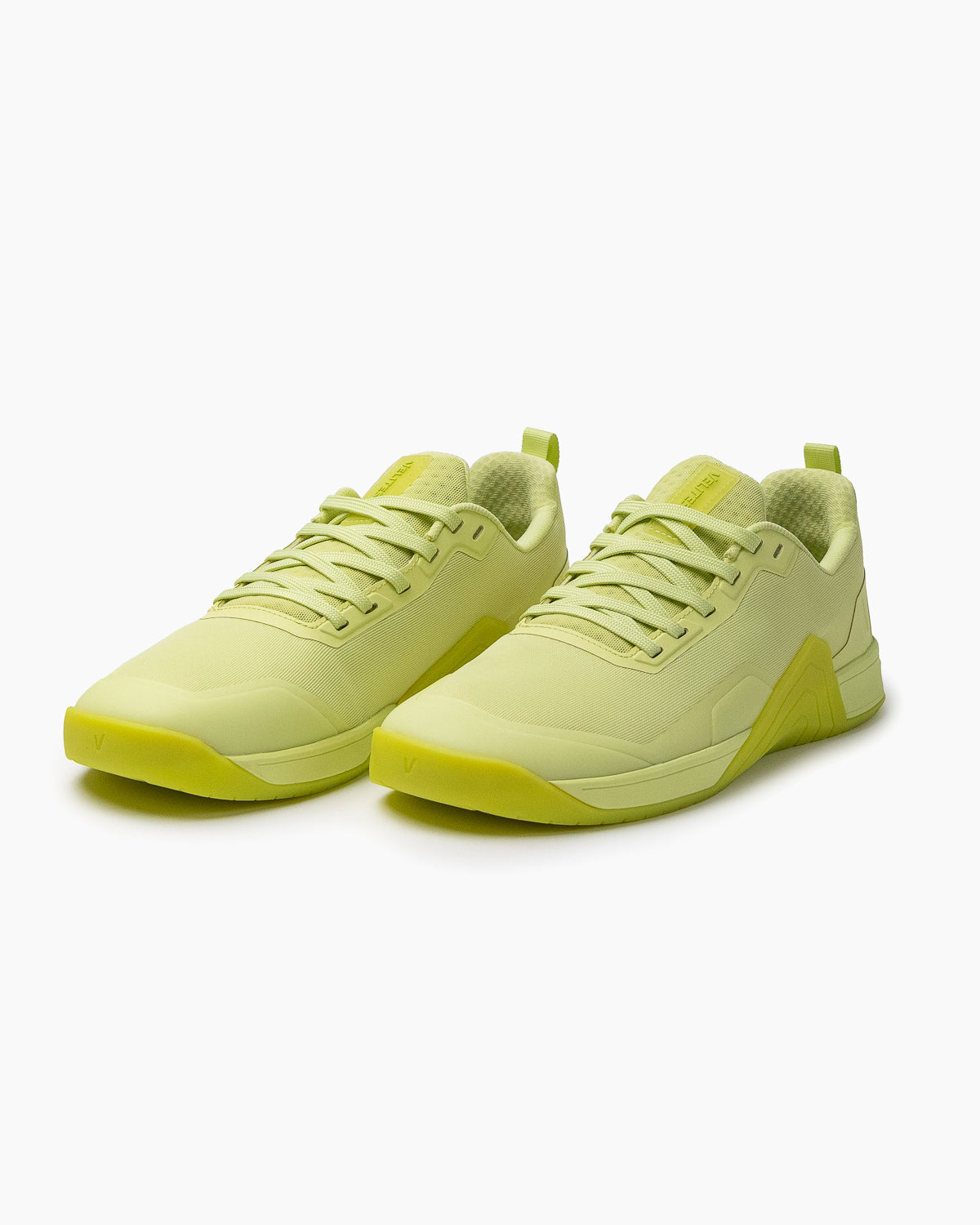
The Hybrid 1.0 shoes provide the stable base an Olympic lift needs: rigid sole, lateral support and total stability in the squat catch. They are the shoes you train with and compete in.
The Velites wristwraps should be part of every heavy snatch session weeks before the event: arriving at competition with wrists accustomed to the support is as important as arriving with strength work completed.
Calculate your EPI in the Snatch
Now that you know the format, strategy and benchmarks, there’s one question every athlete must answer before arriving in Dallas: how many points is your current snatch worth?
The official XENOM calculator lets you enter your mark and see exactly how many EPI points you would get in Event 001 and the rest of the 9 events. It’s the most useful tool you have to plan your preparation. Knowing where you are today tells you exactly what you need to improve before the test.
👉 Calculate your EPI in the official XENOM calculator
One tip: don’t use the calculator only for the snatch. Enter your current marks in the other events and you’ll get a complete x-ray of your athlete profile. If your snatch is worth 750 points but Event 005 is worth 400, you already know where the work for the coming weeks lies.
What is your EPI in the snatch? And if you want to arrive on test day with the right equipment for Event 001, check the Velites kit for XENOM.