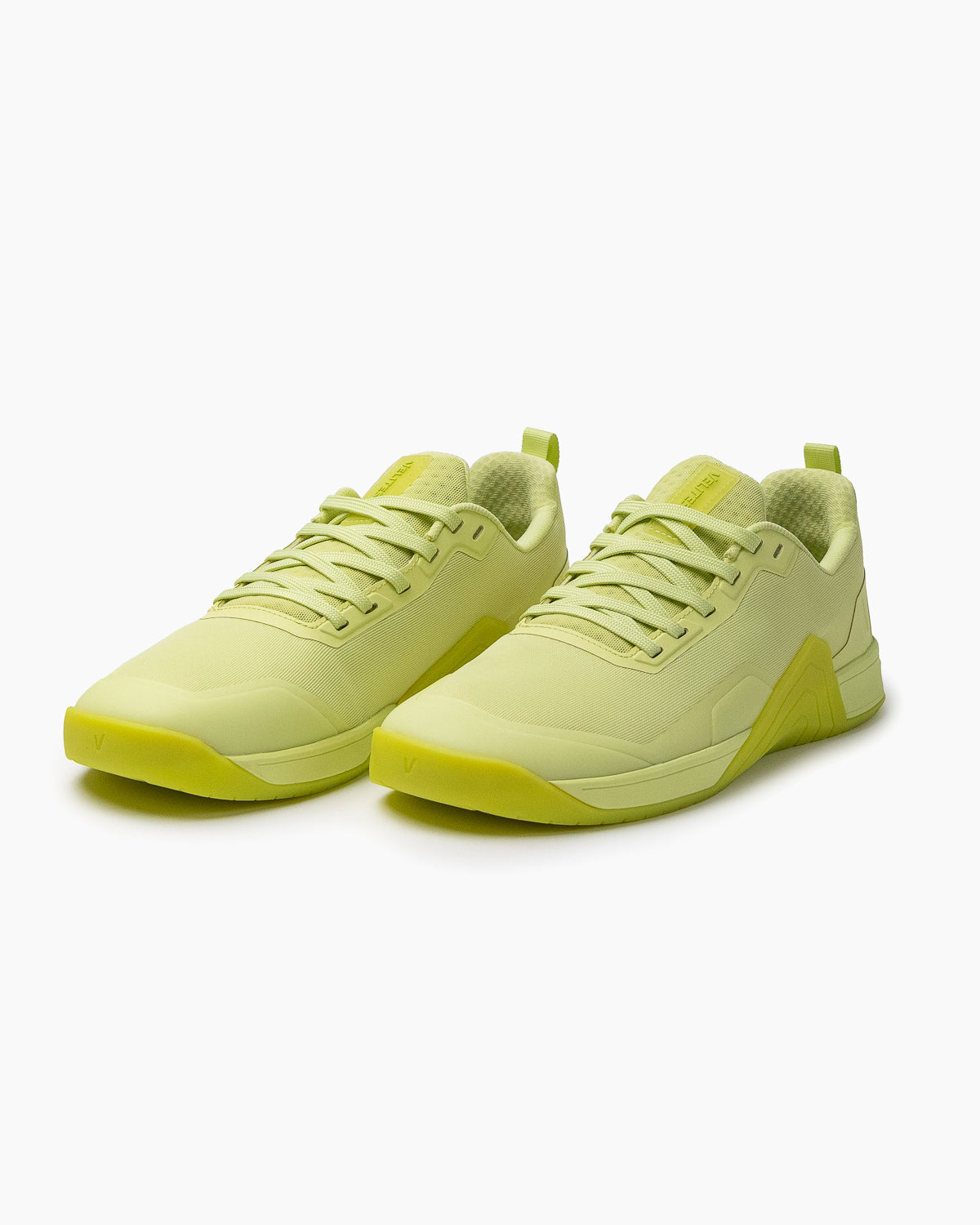
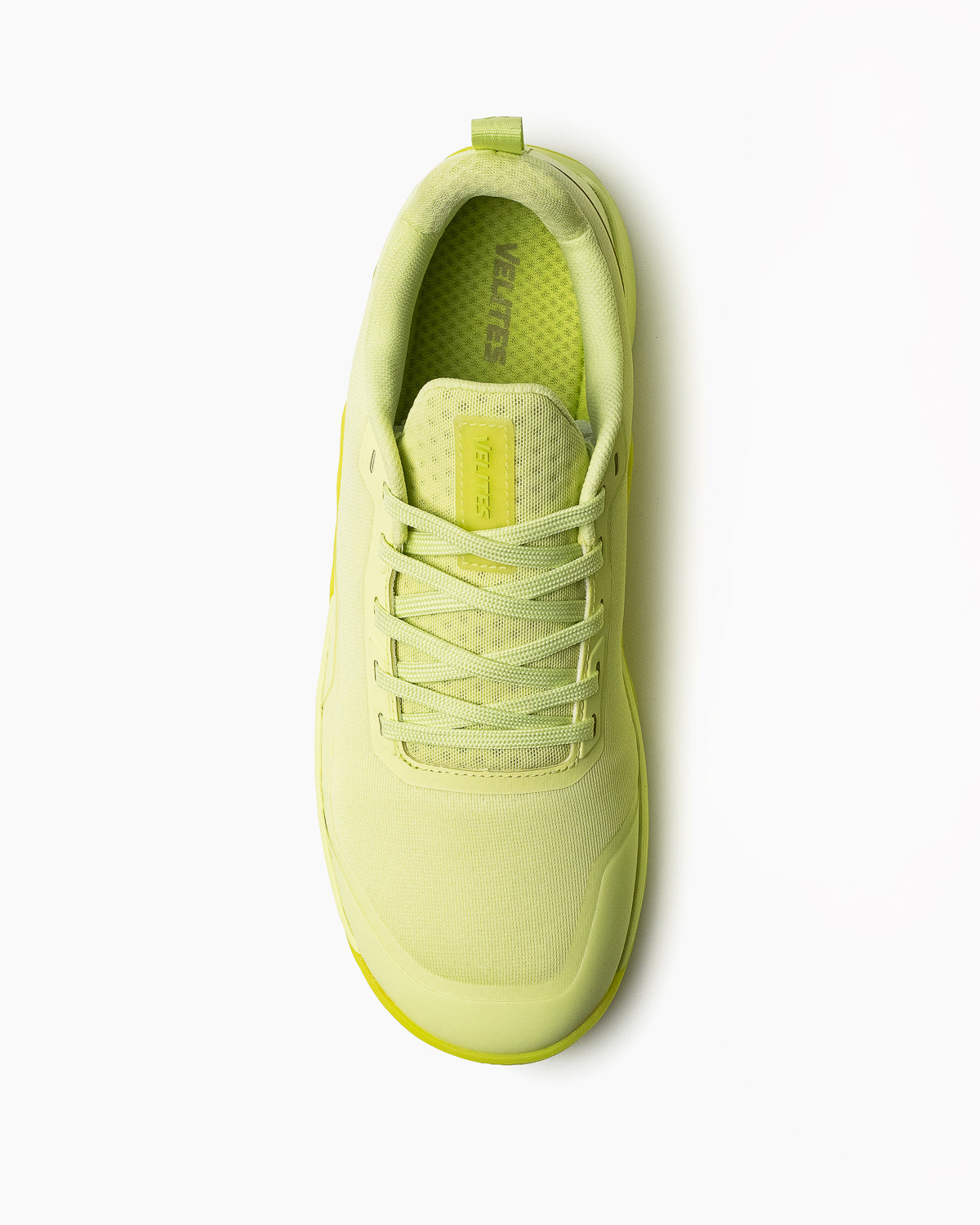
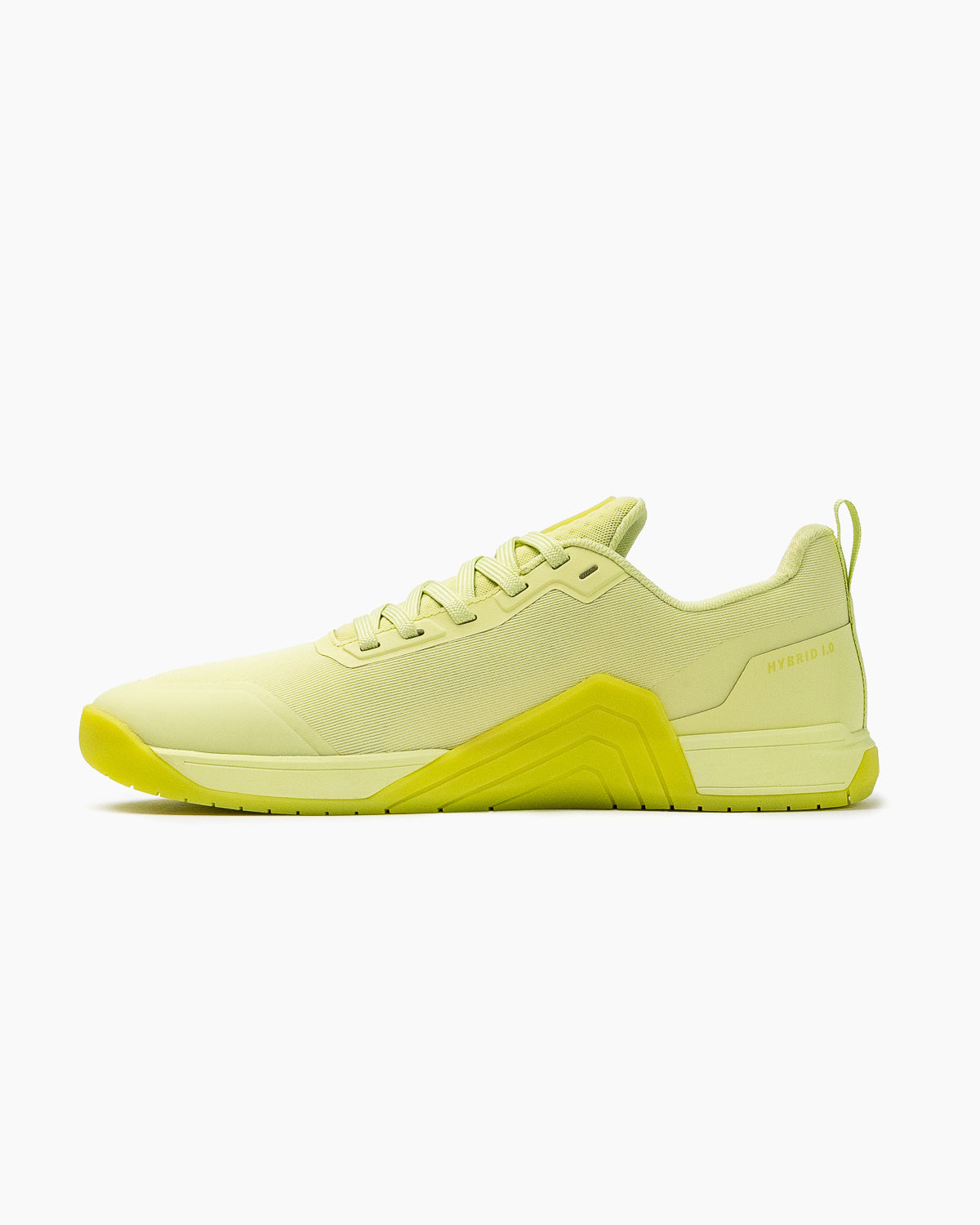
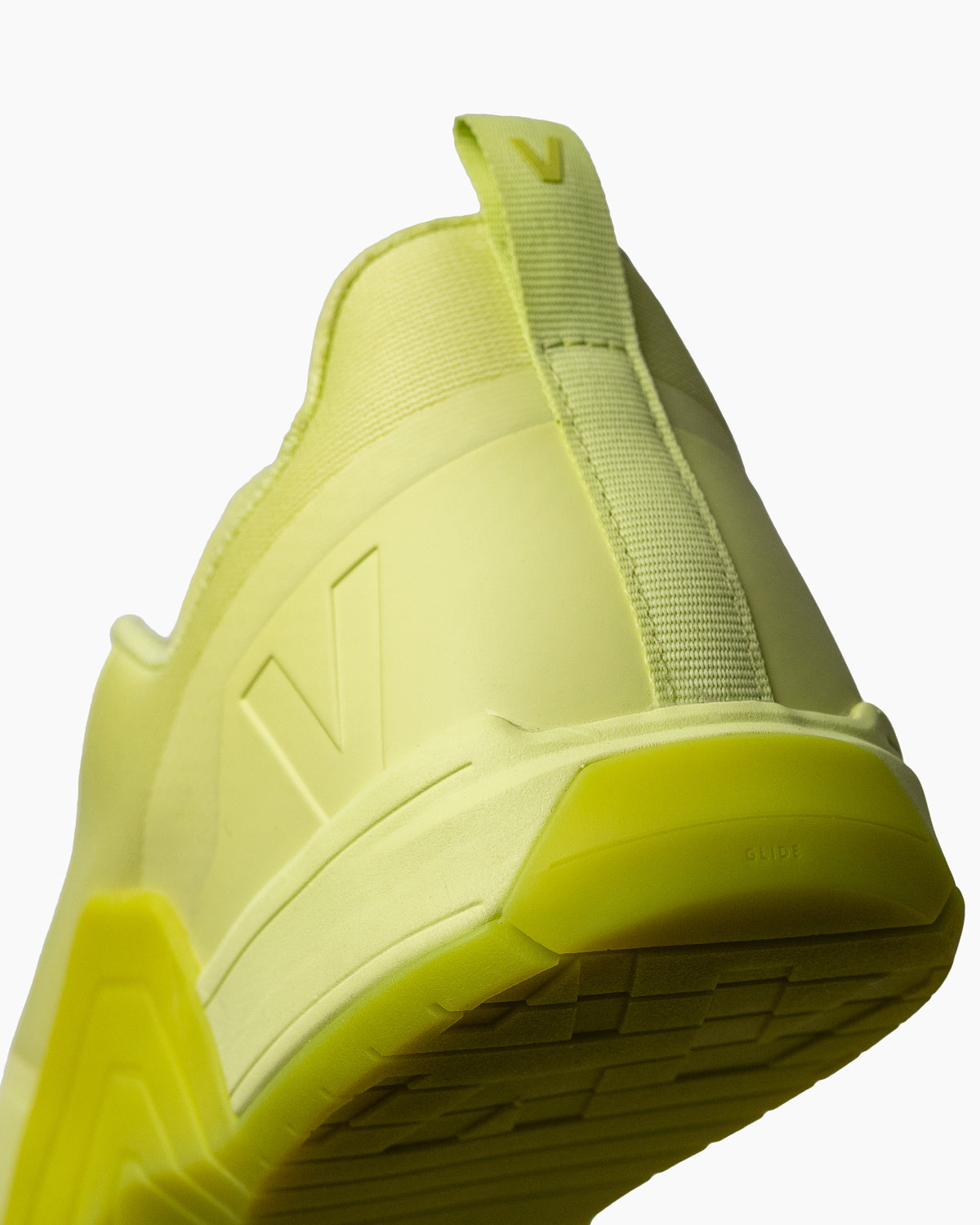
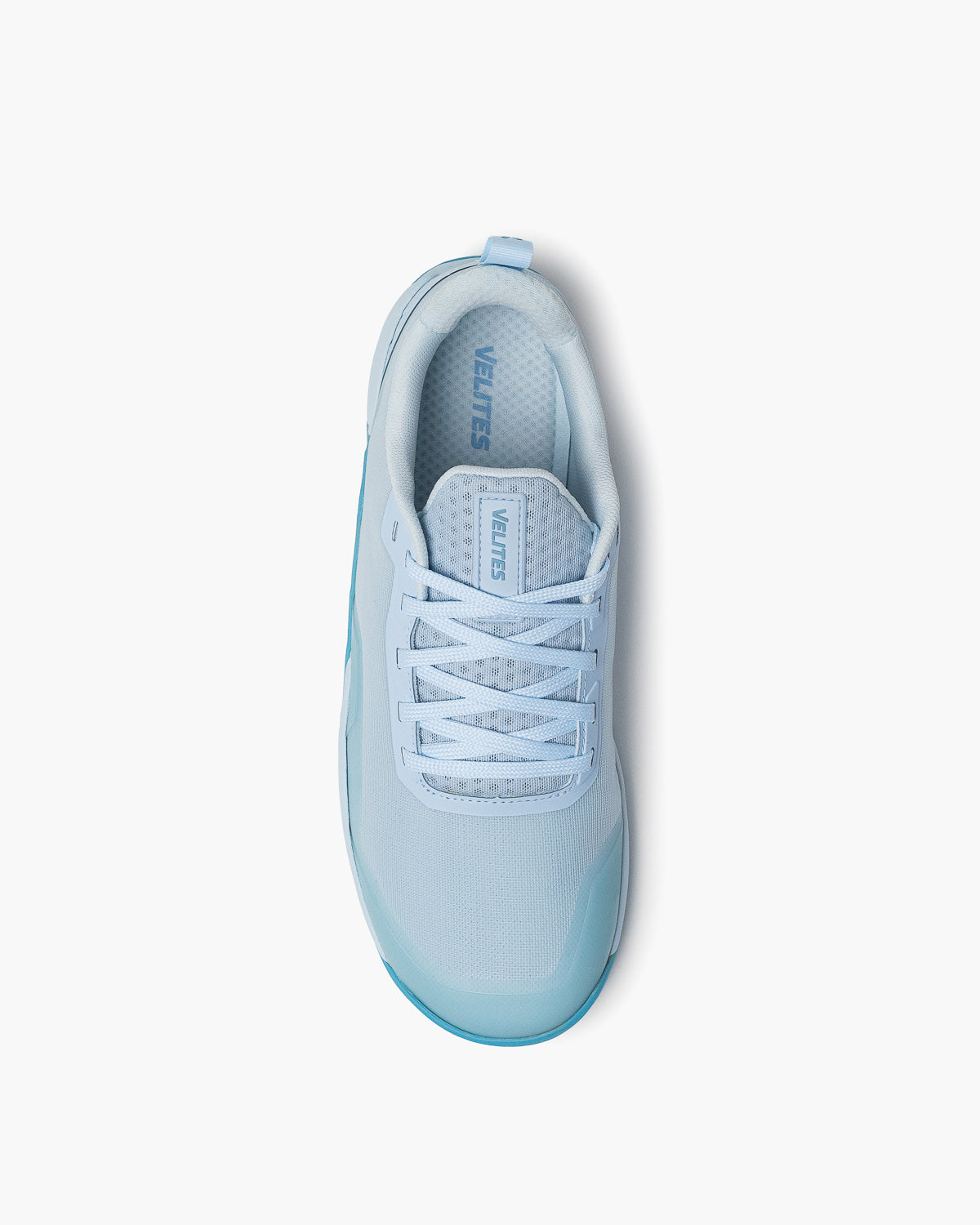
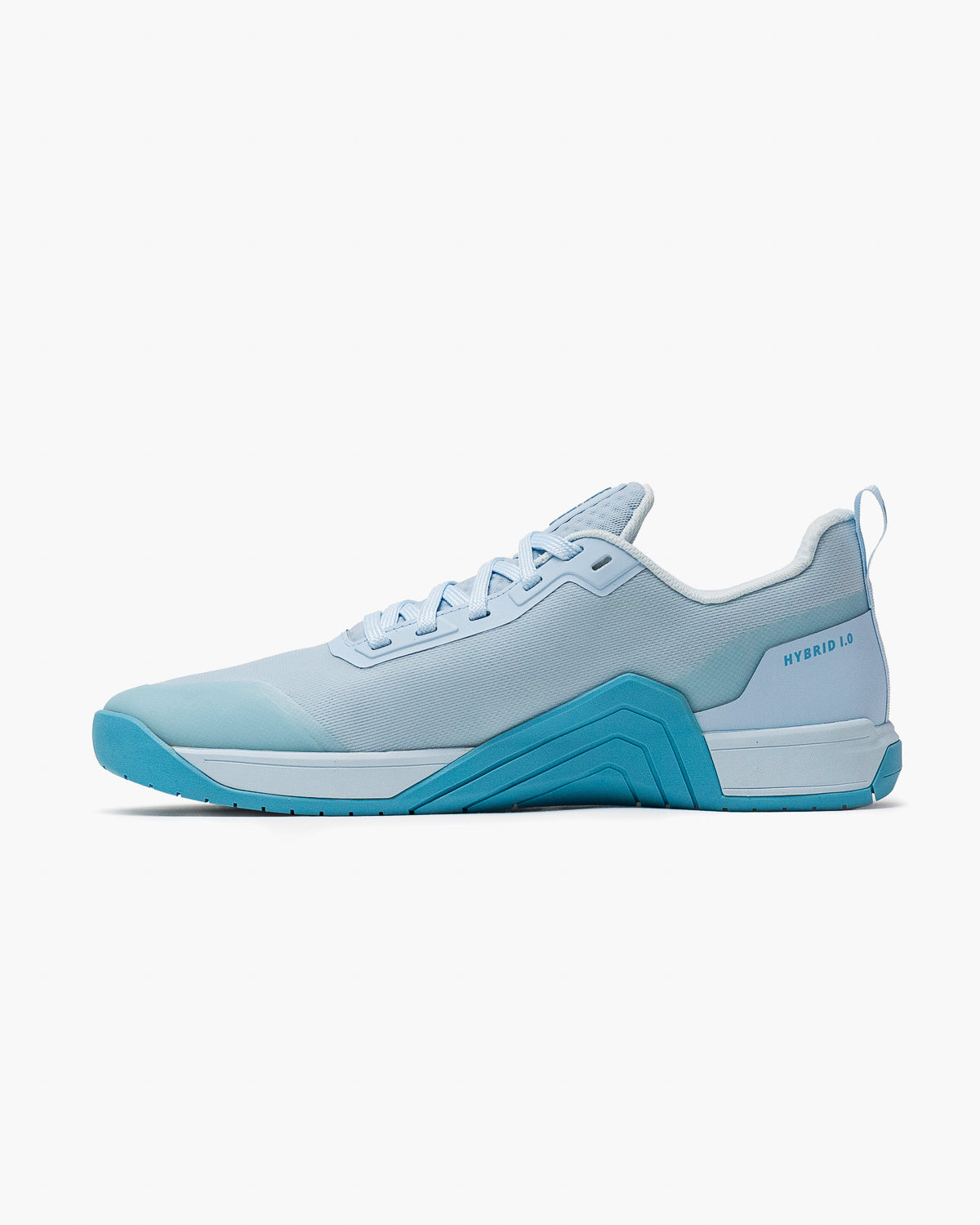
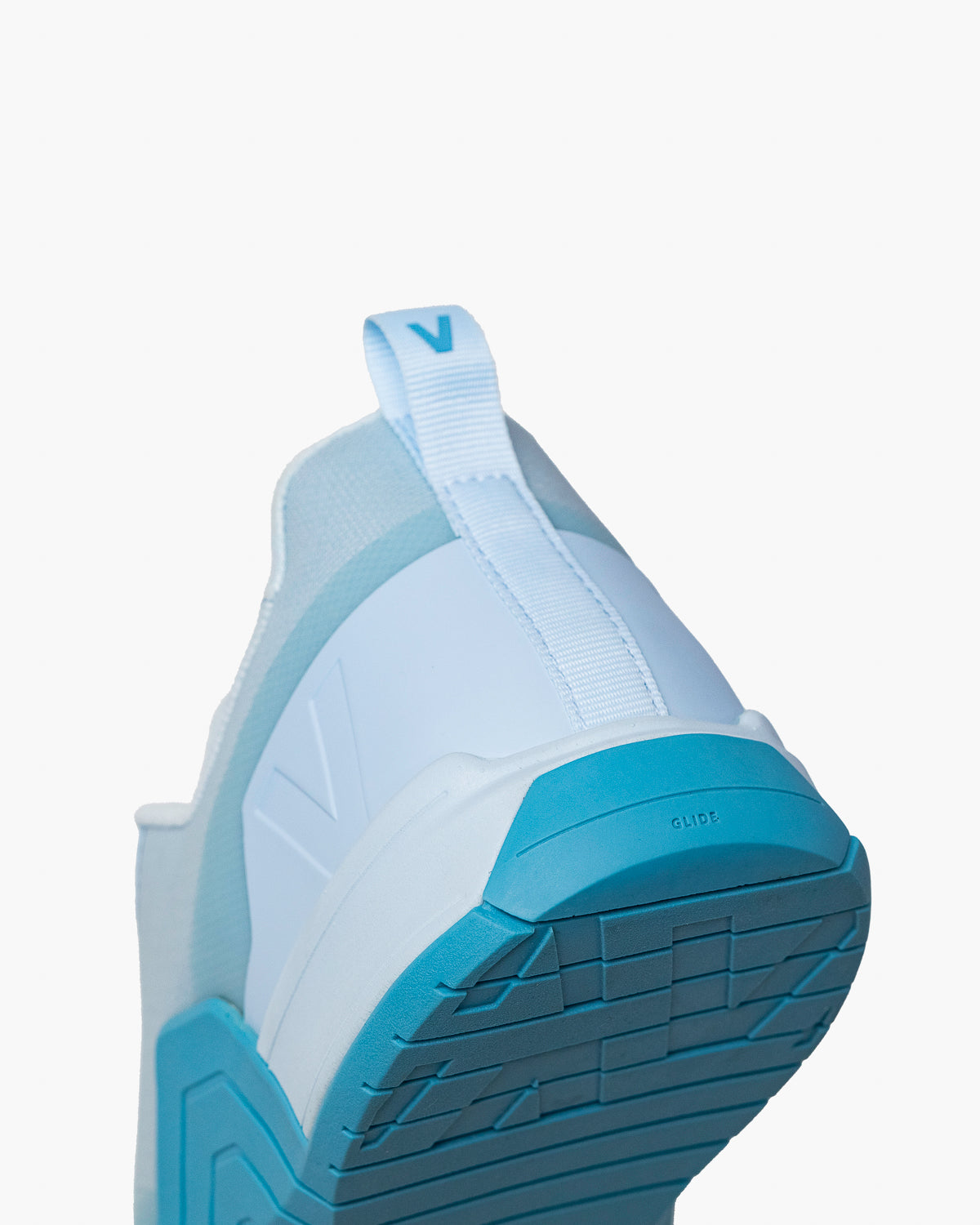
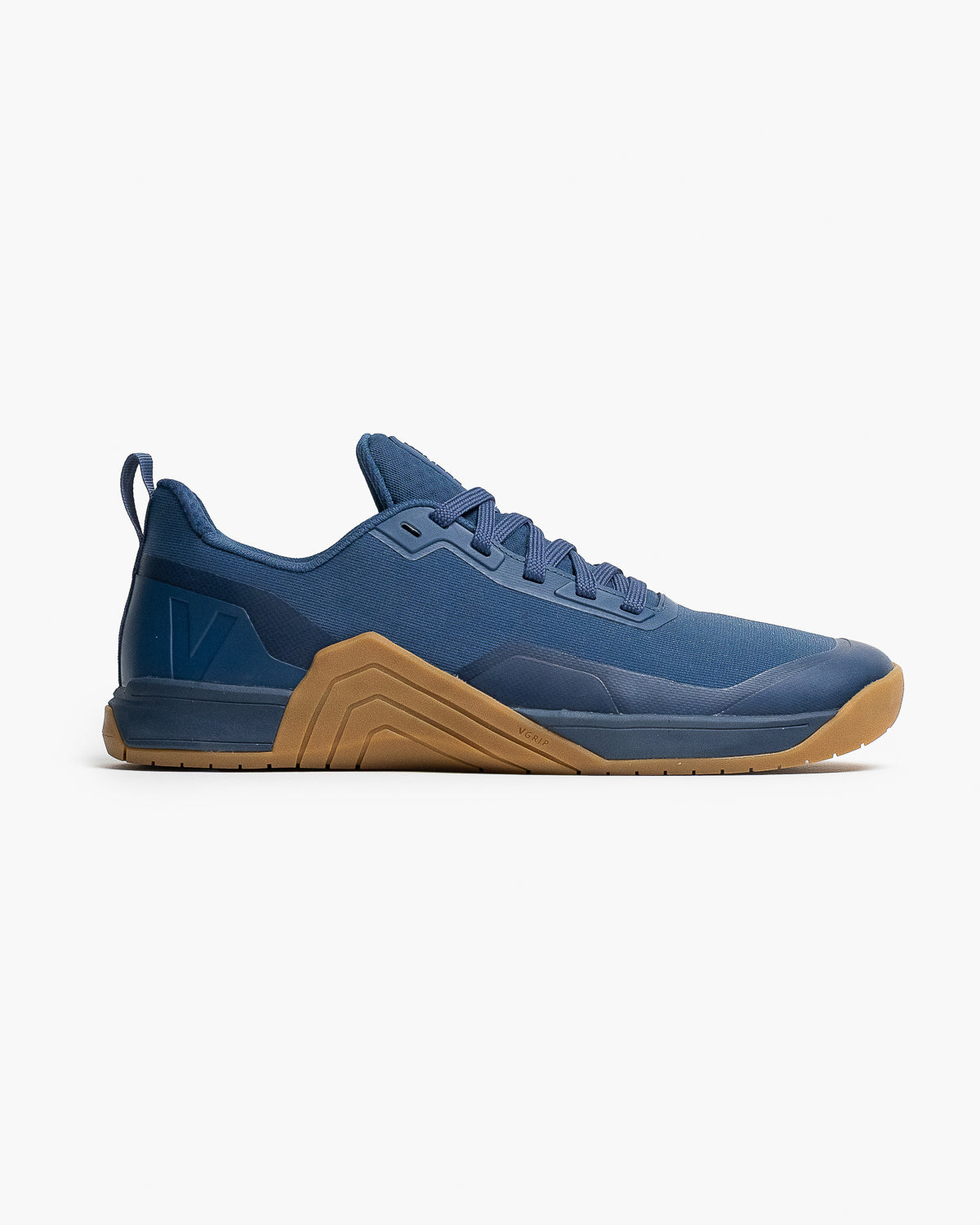
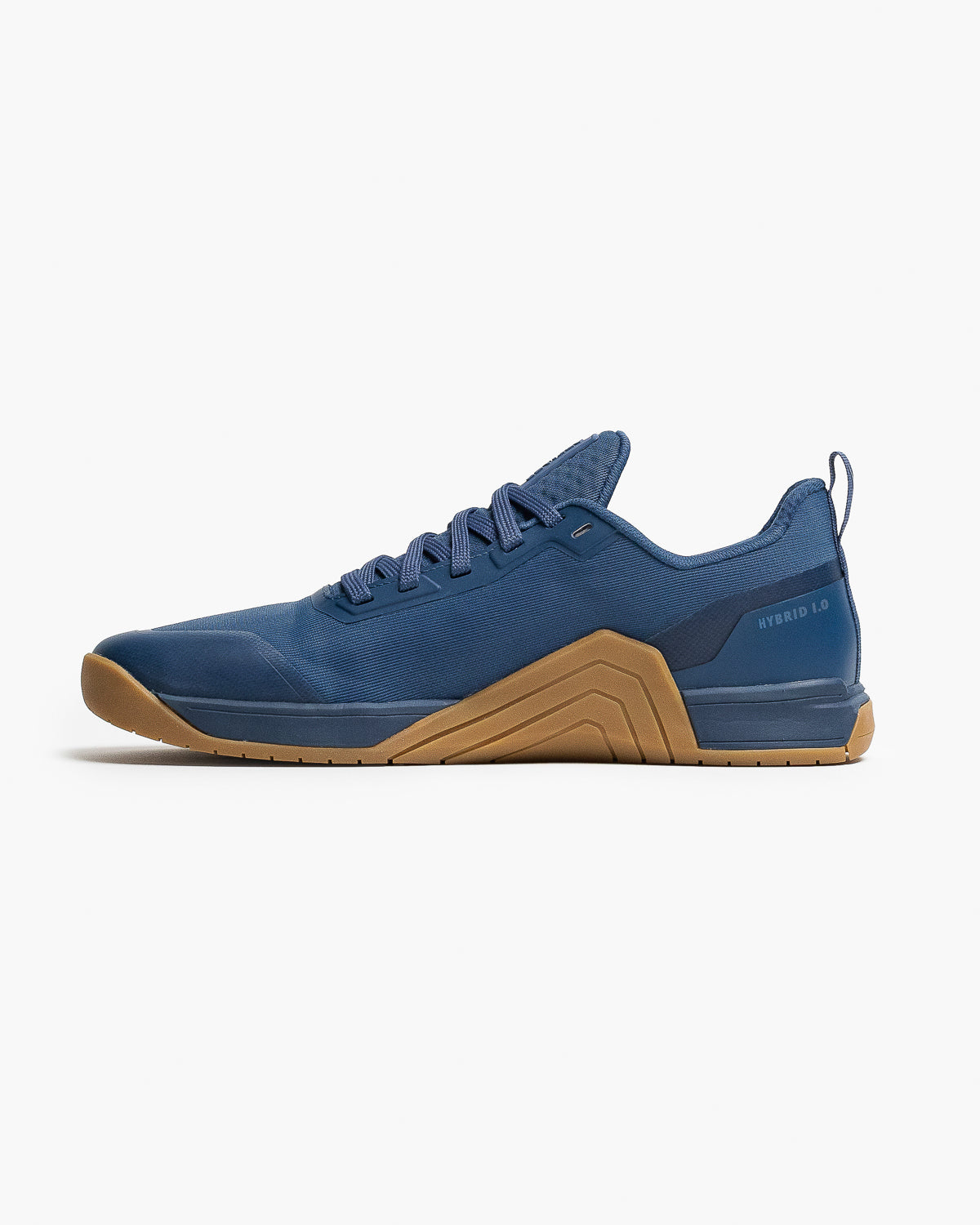
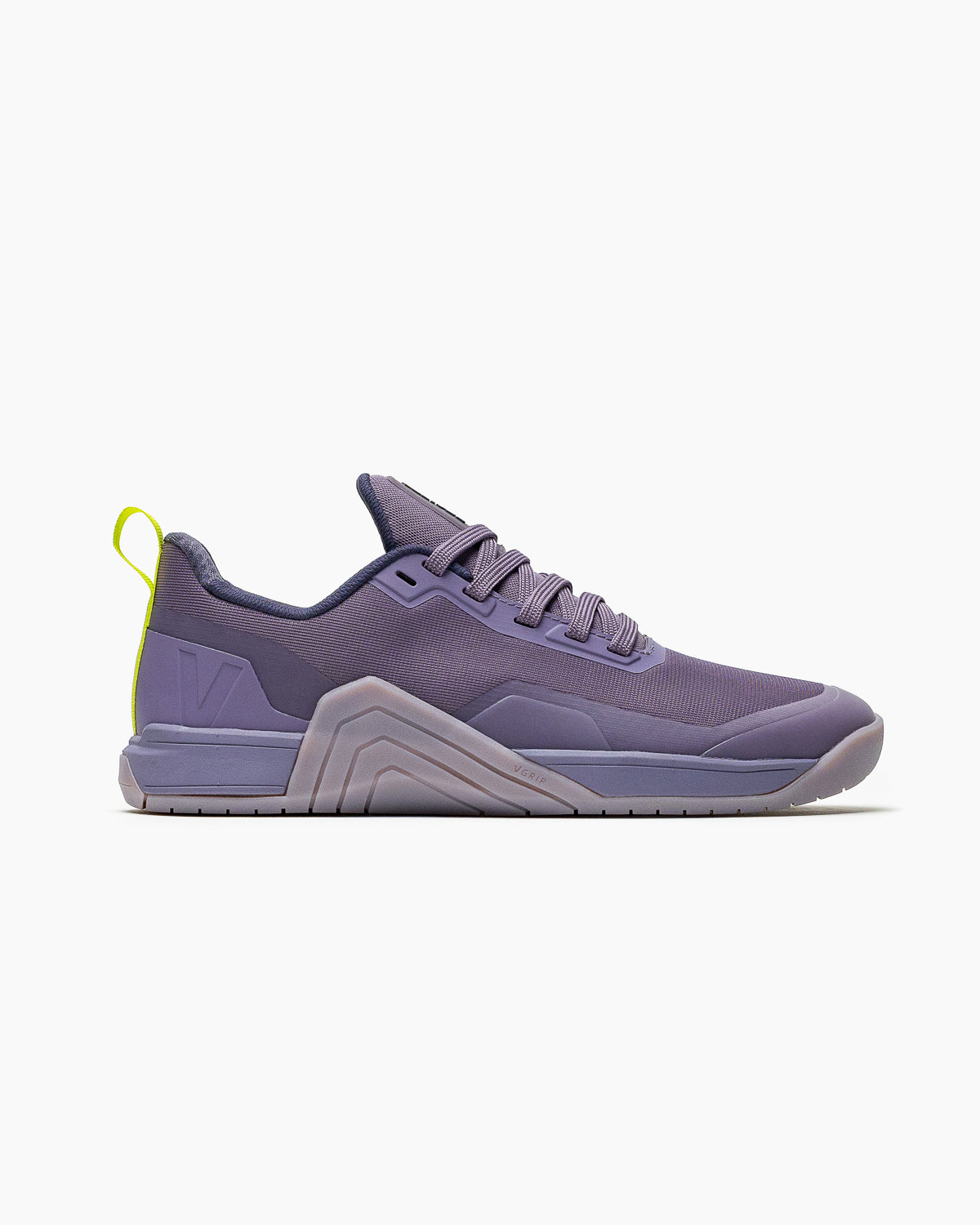
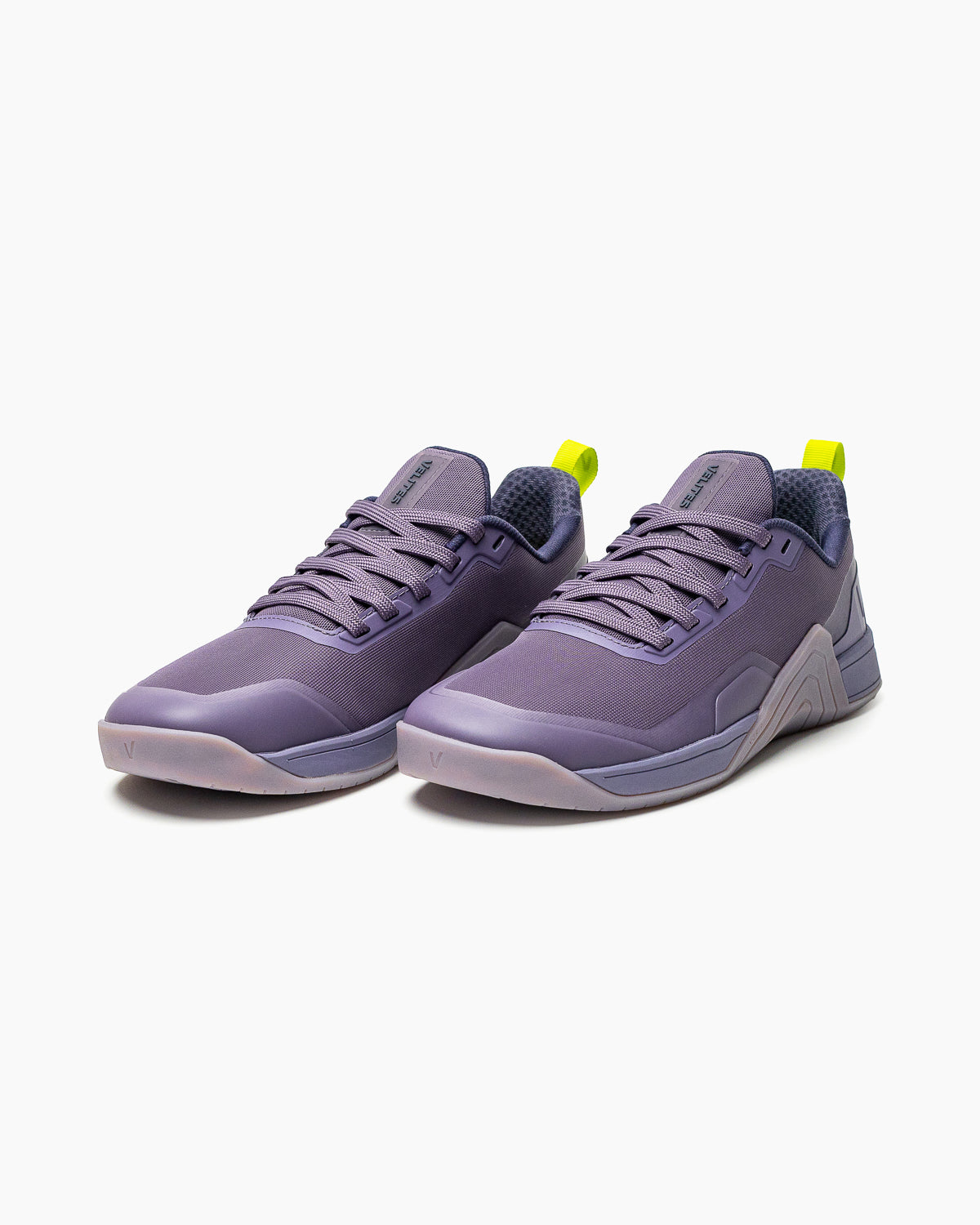
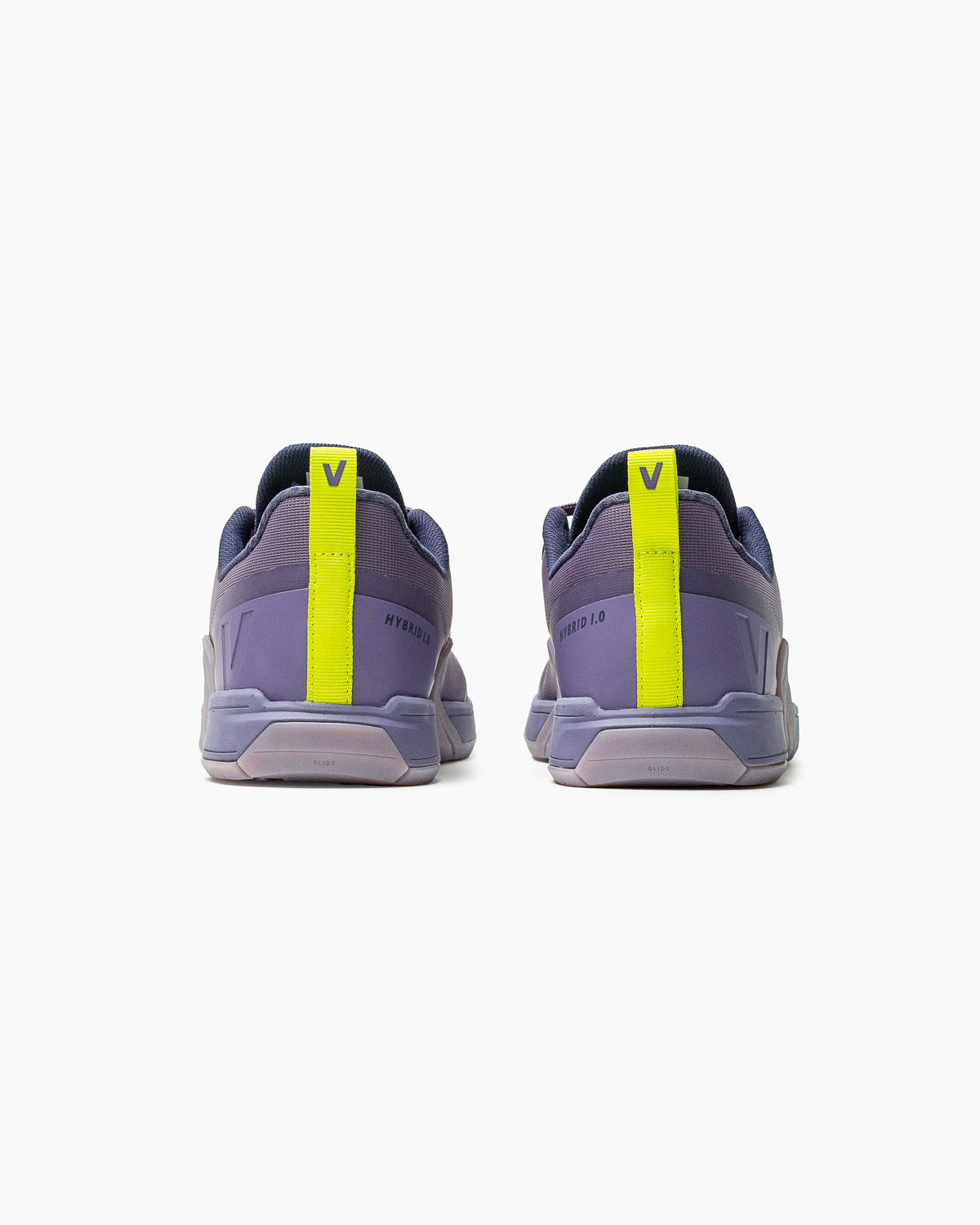
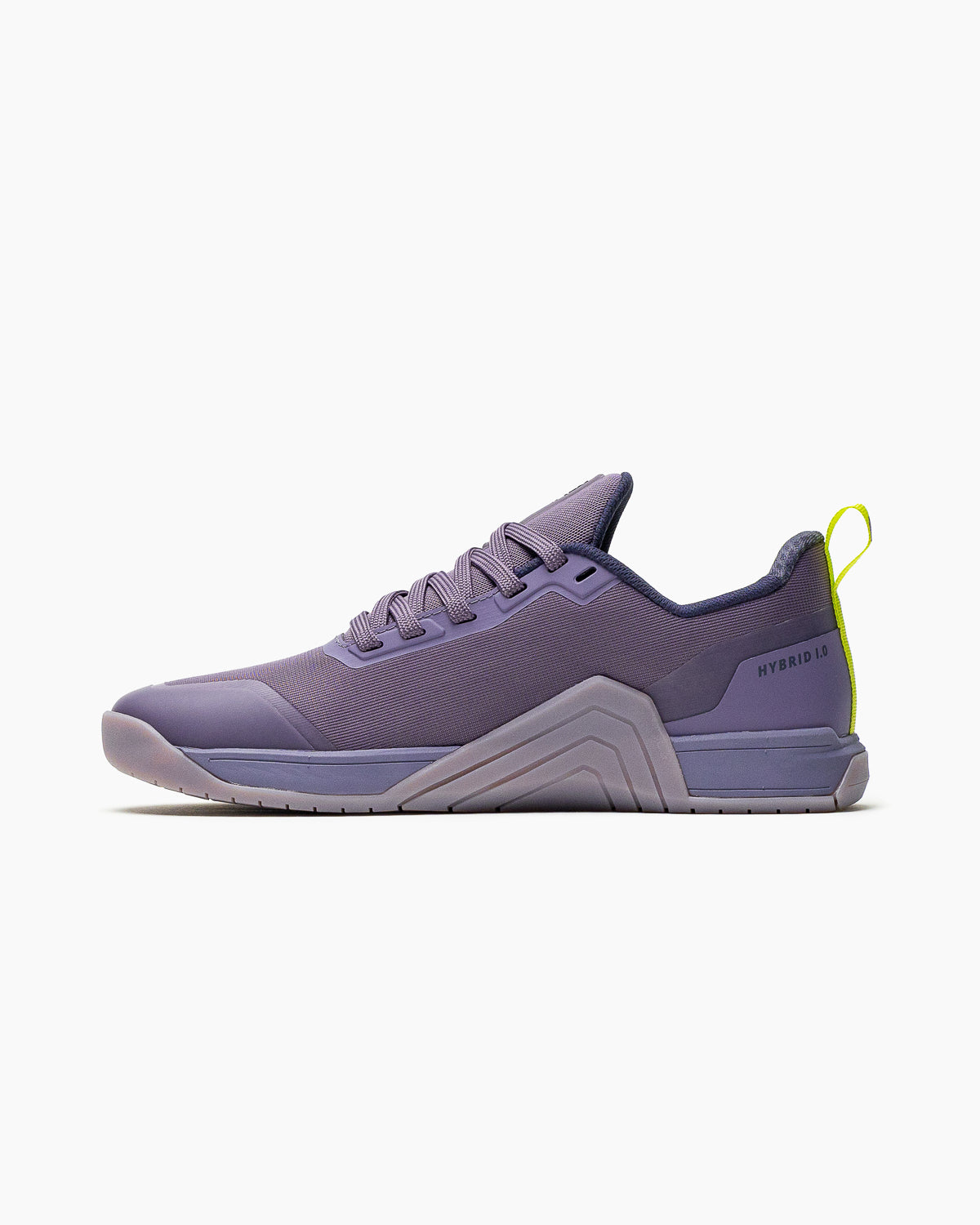
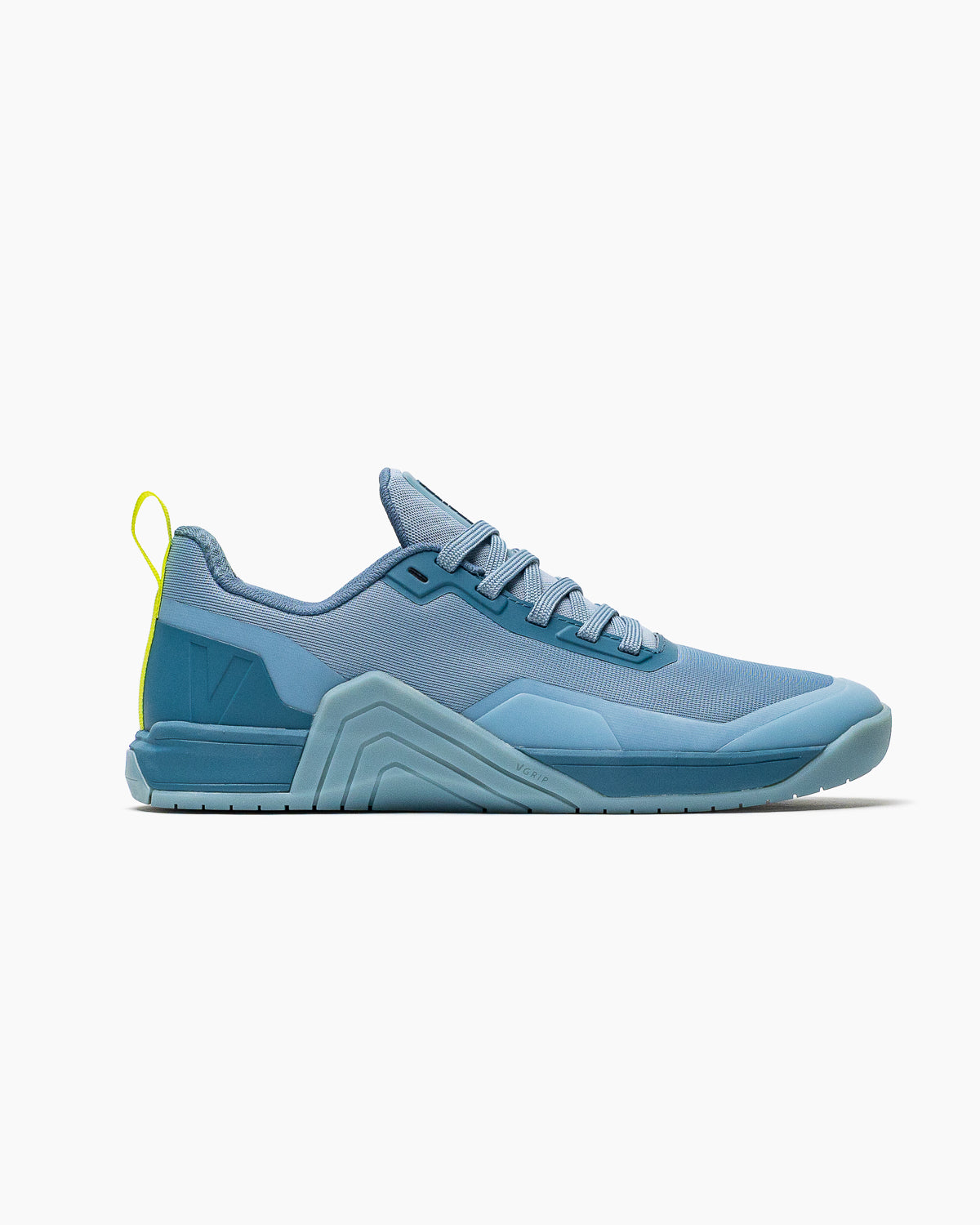
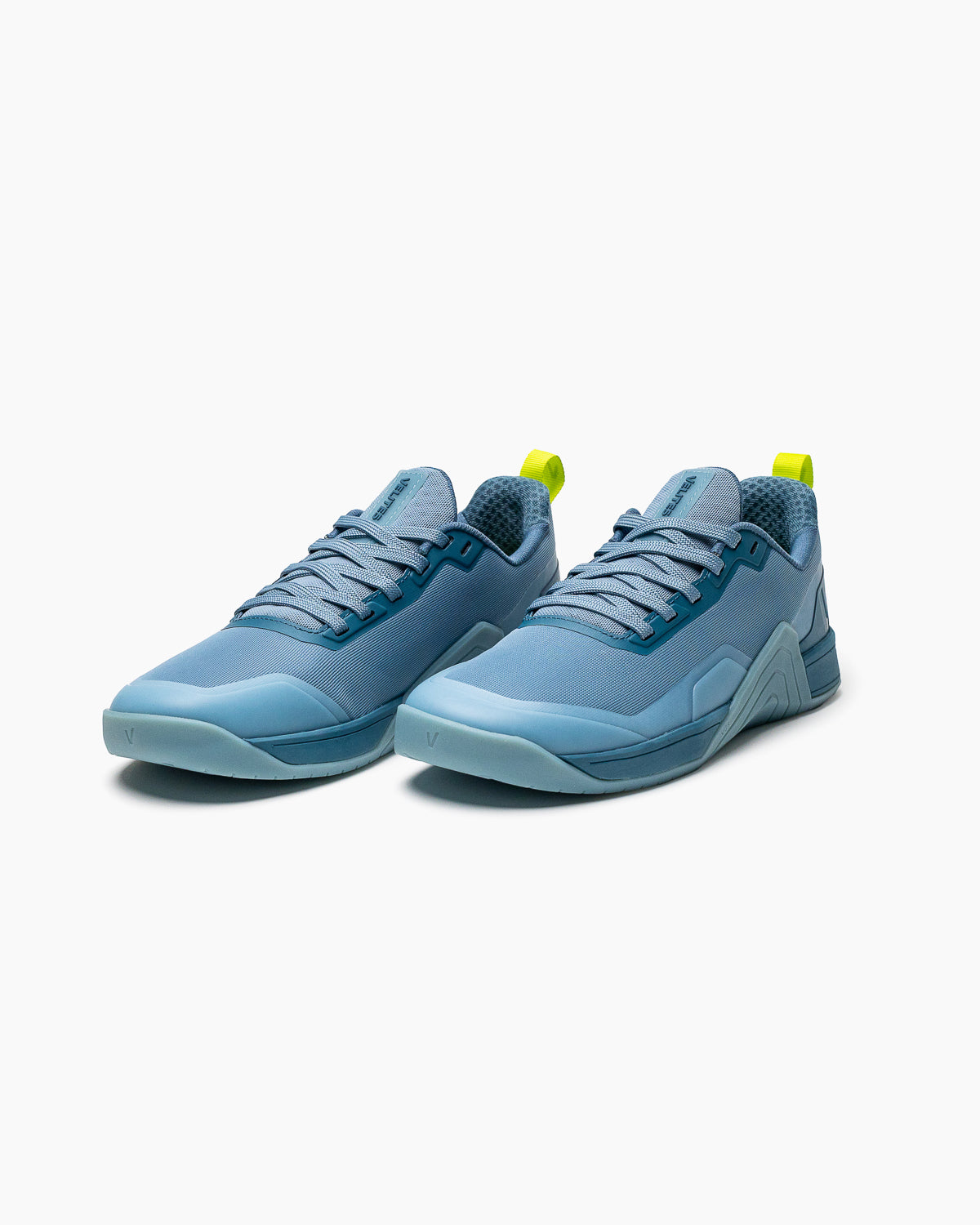
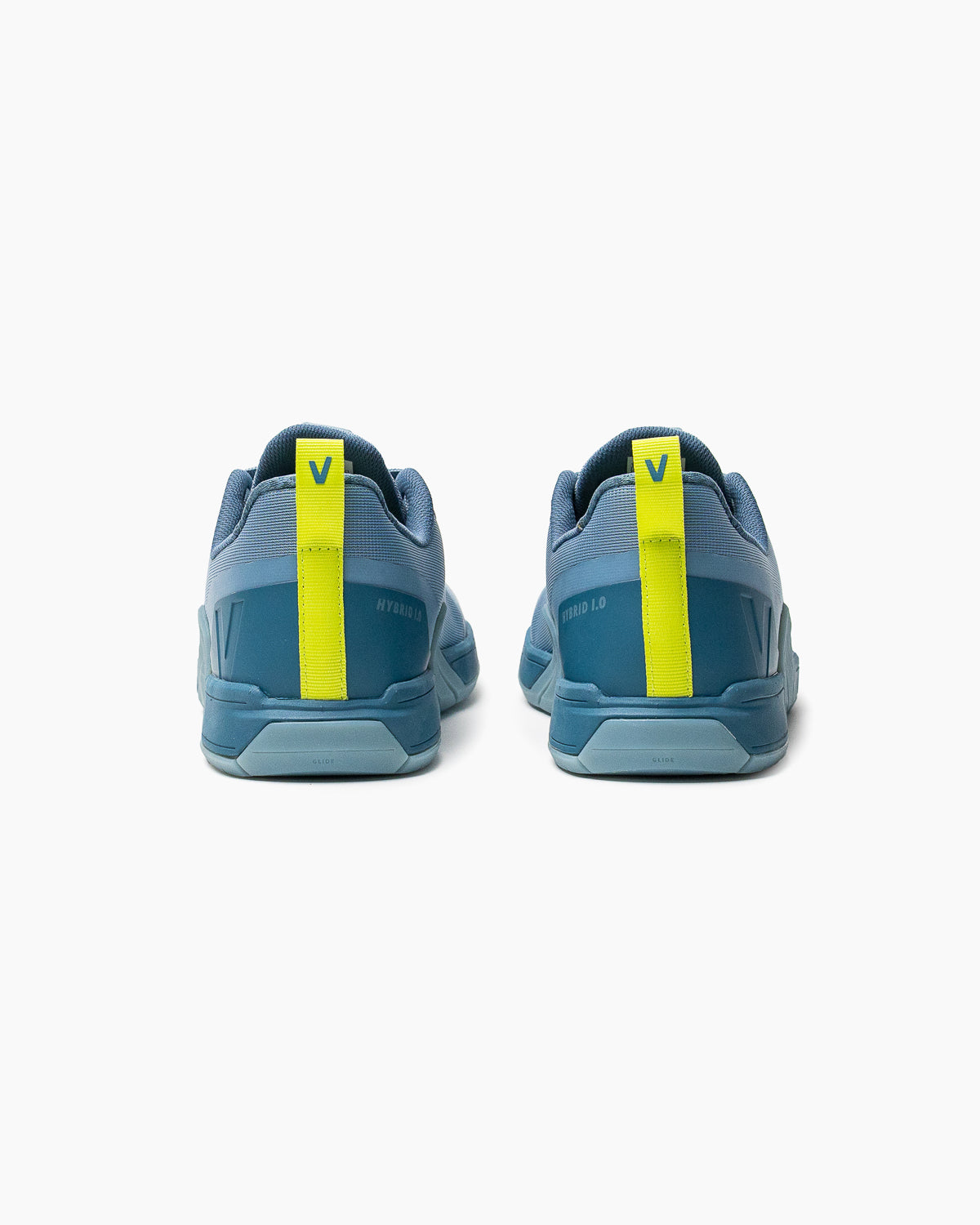
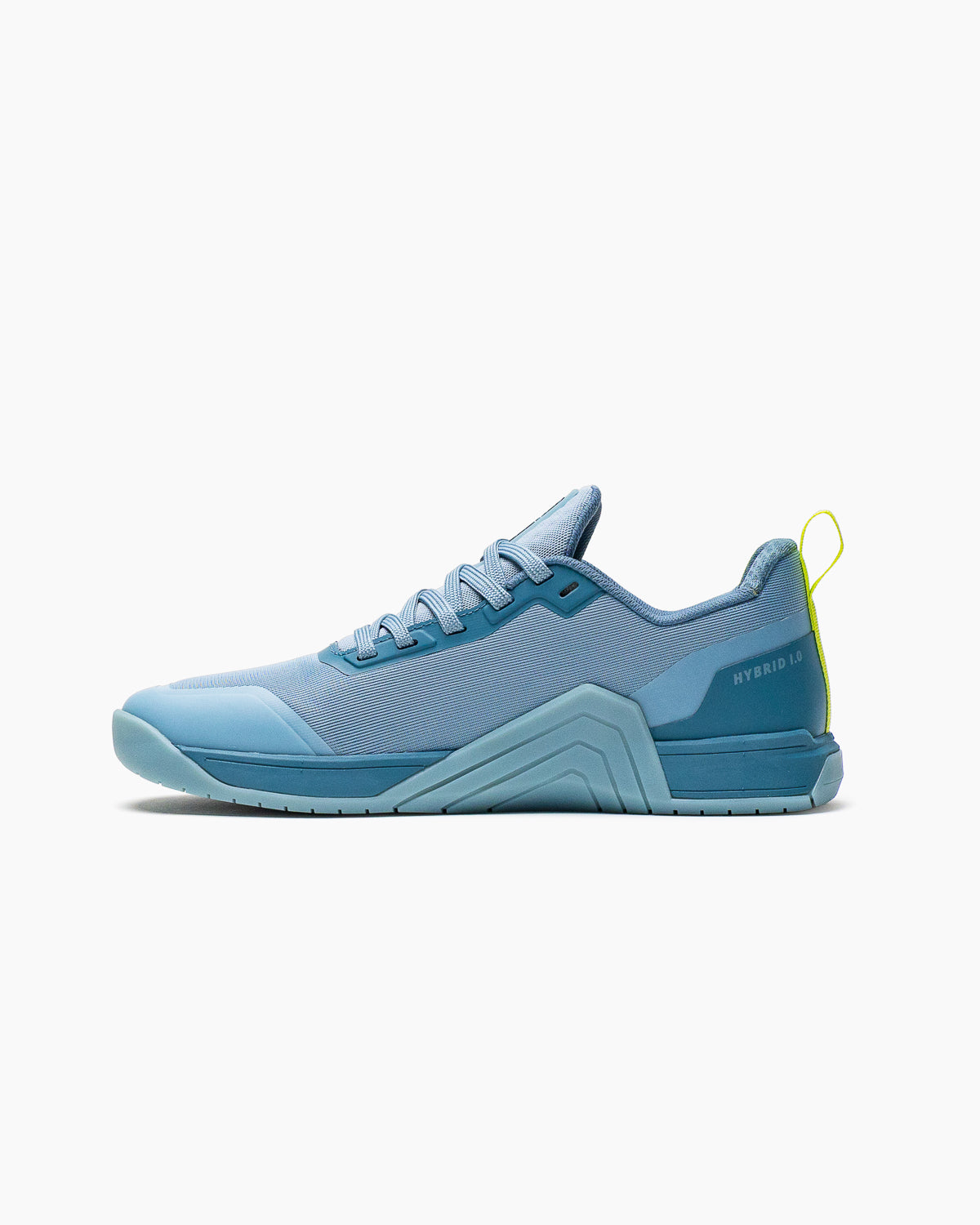
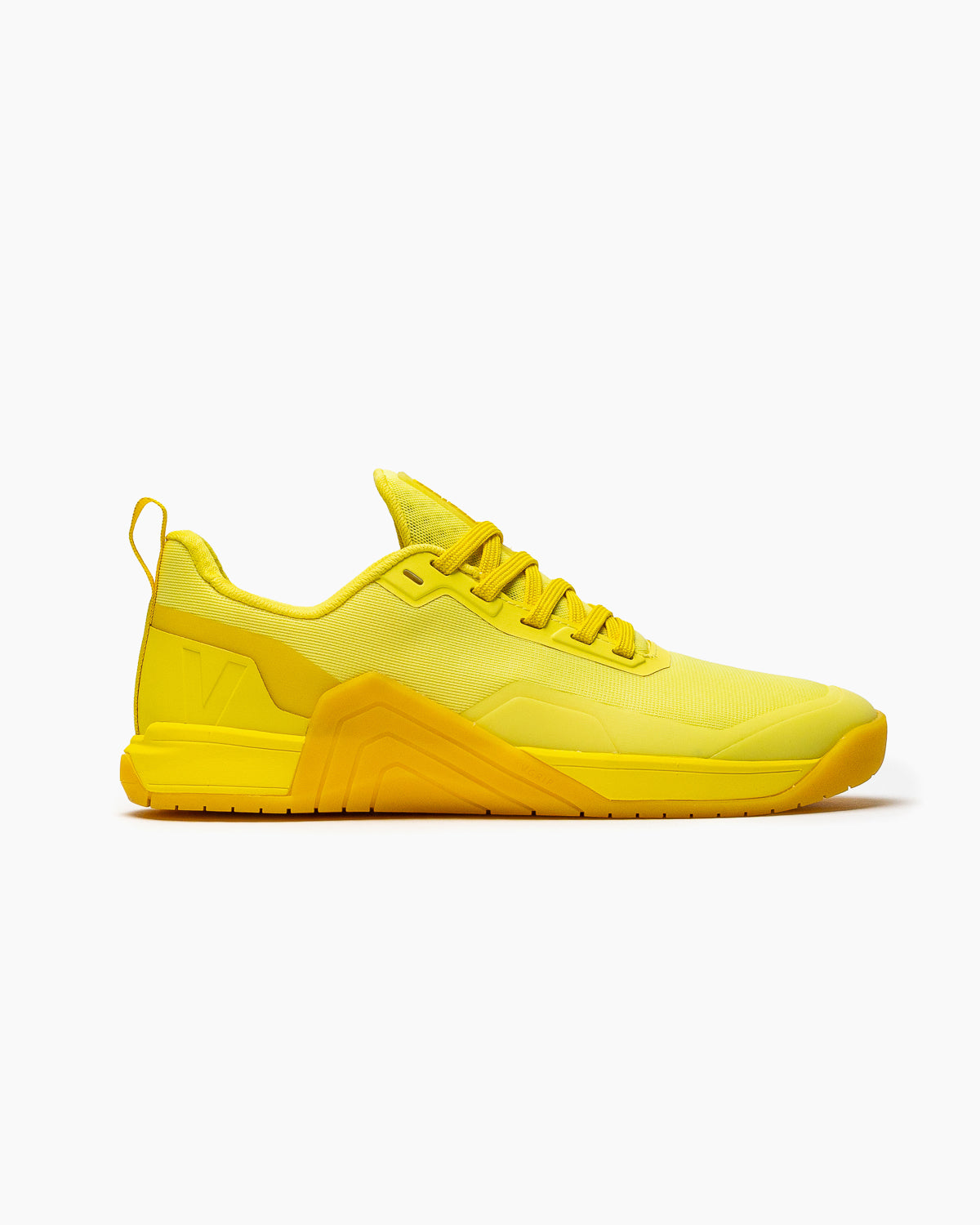
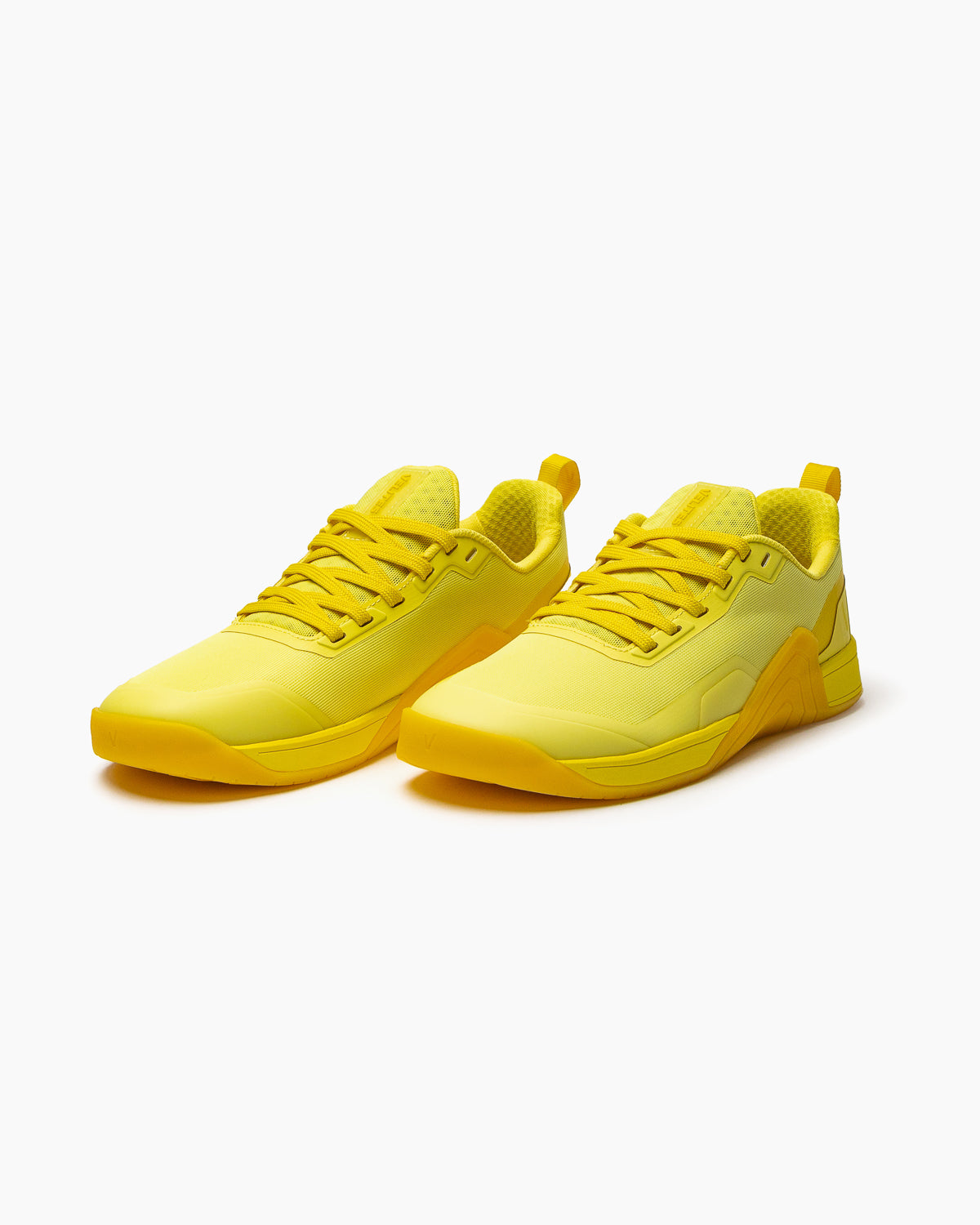
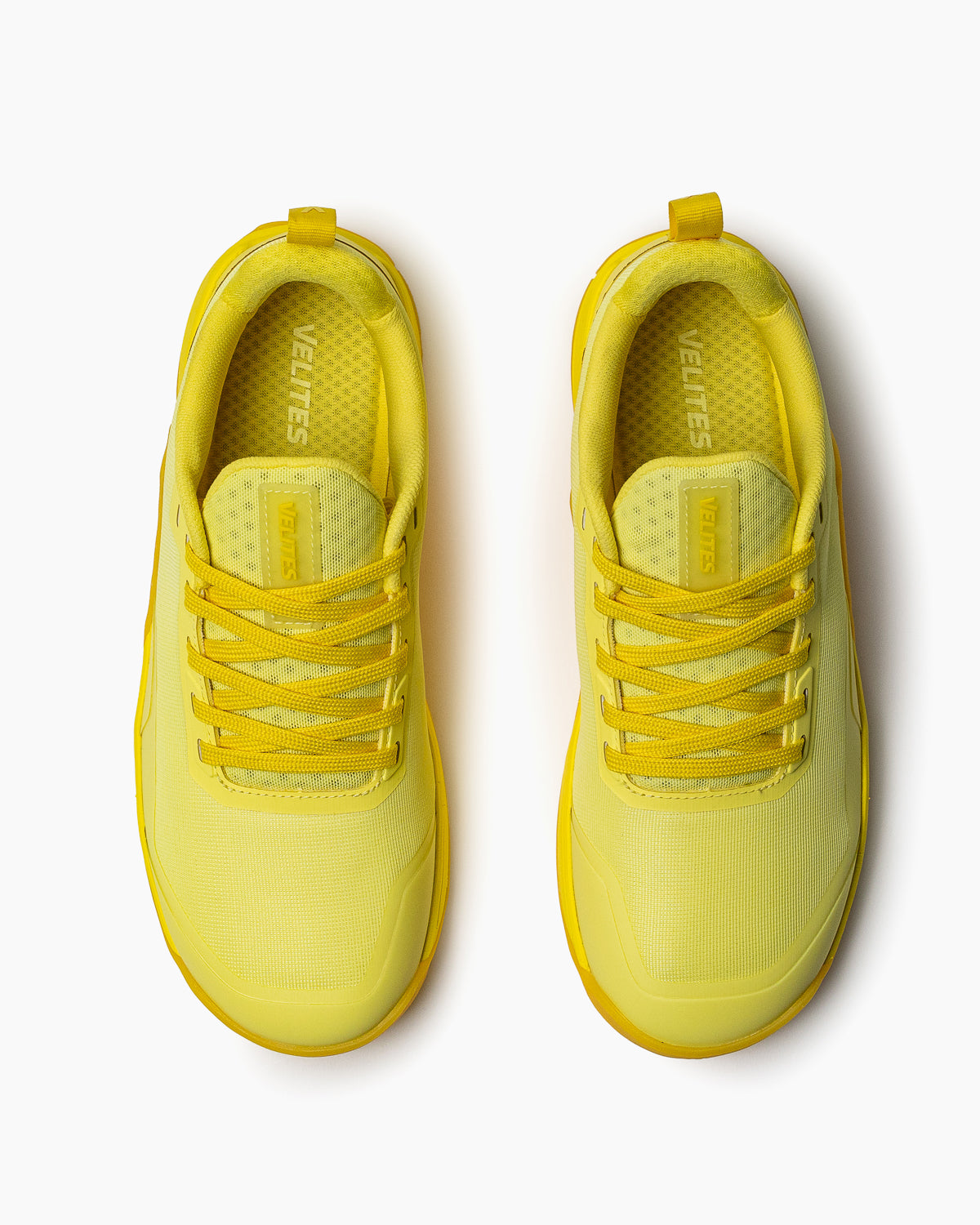
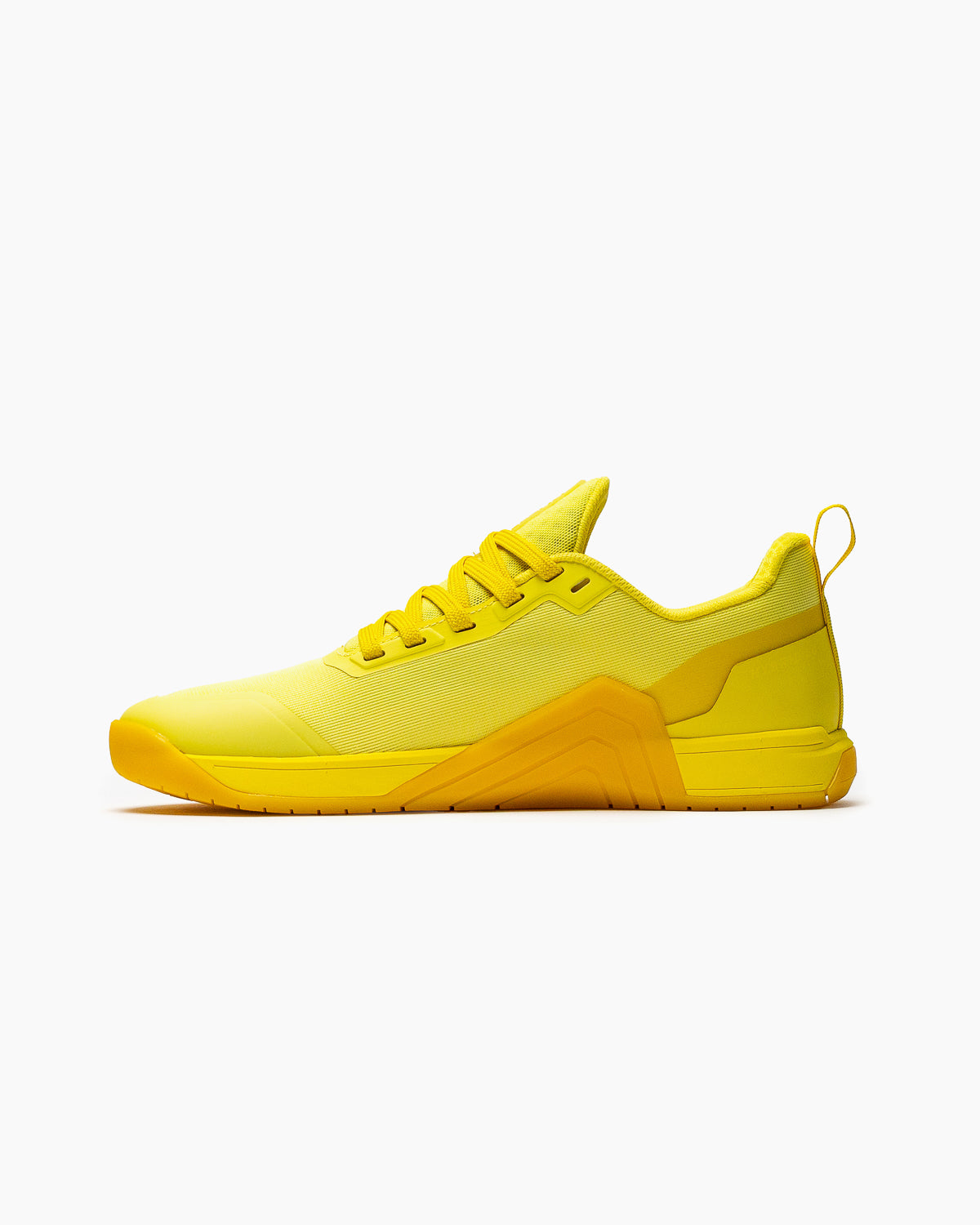
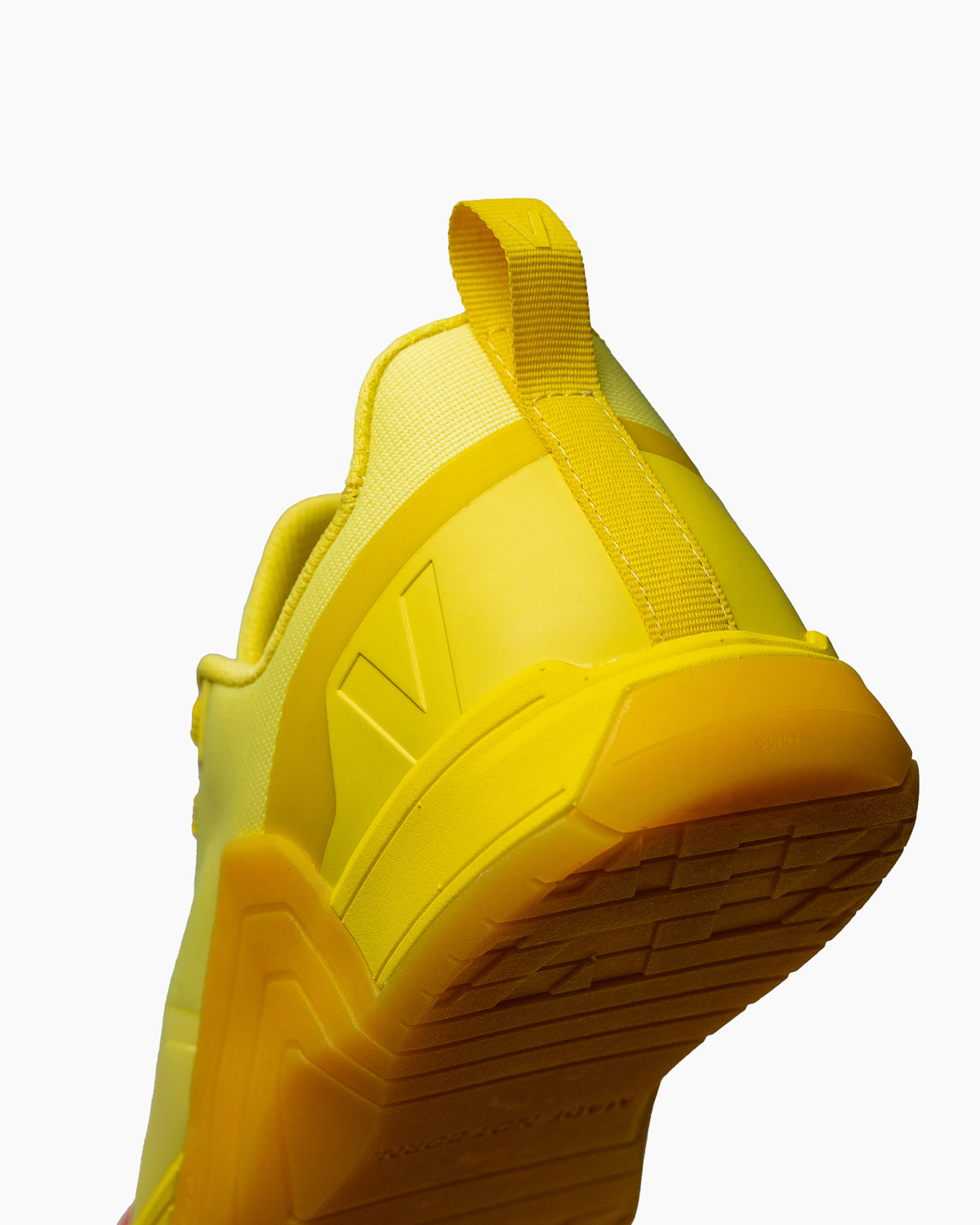
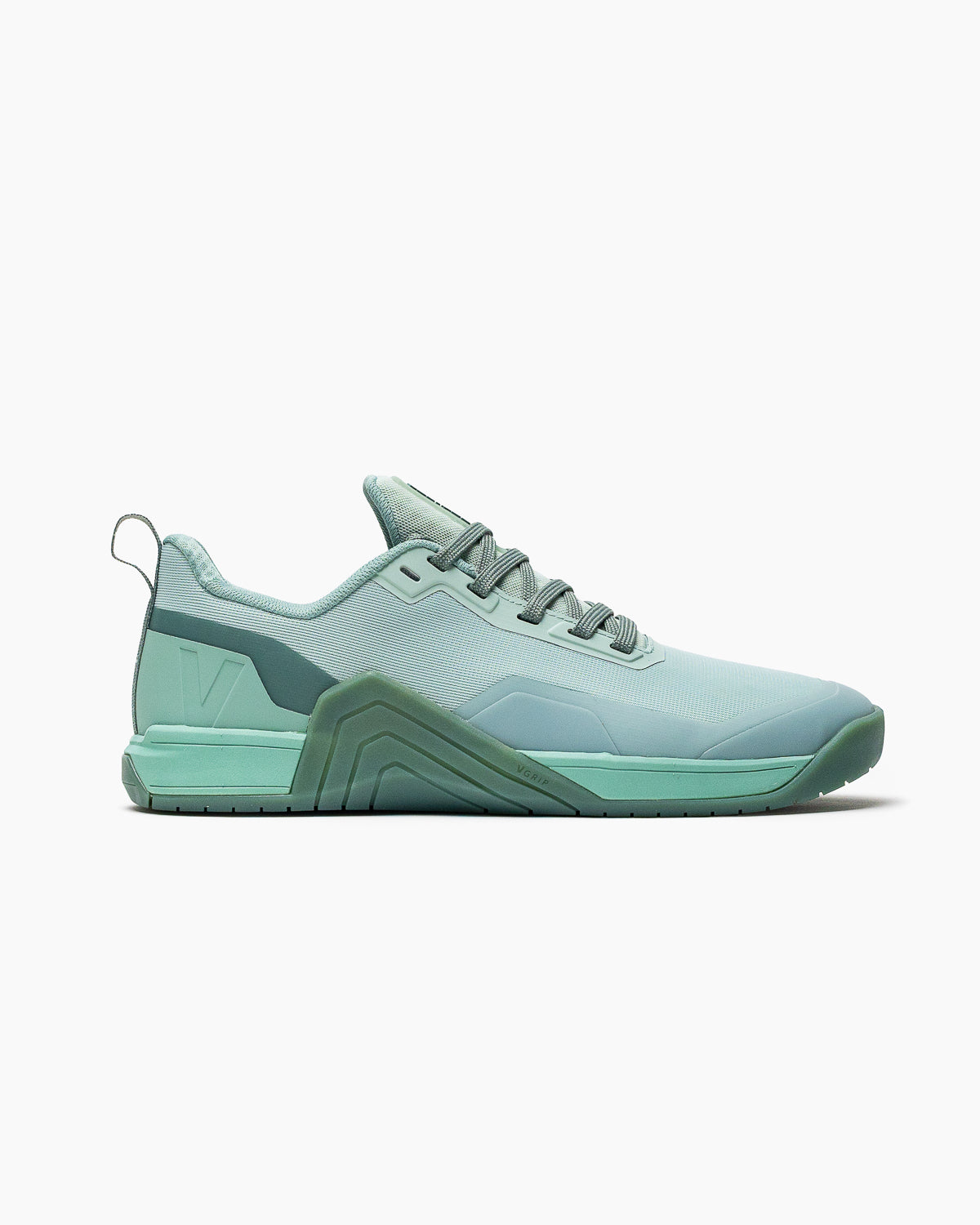
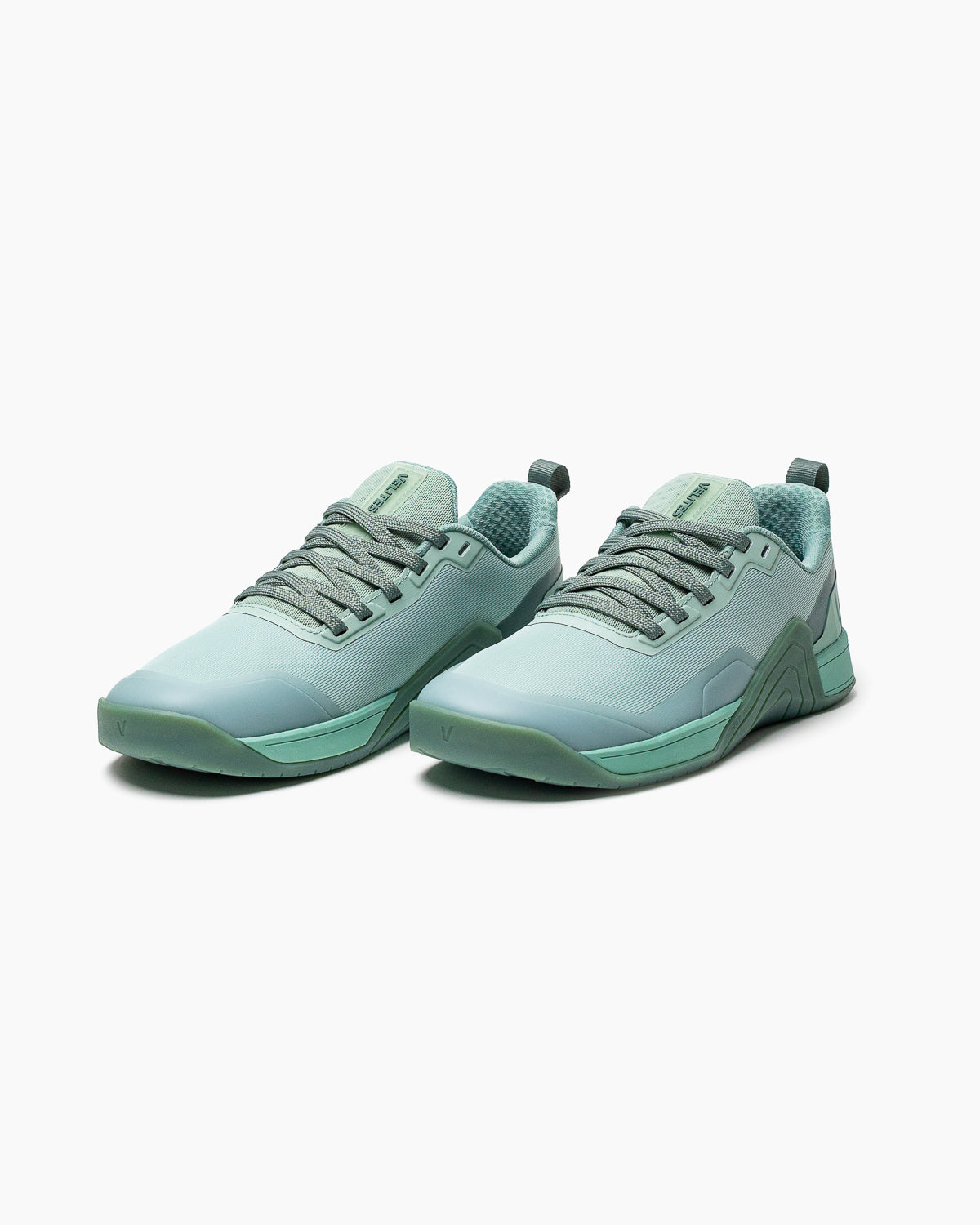
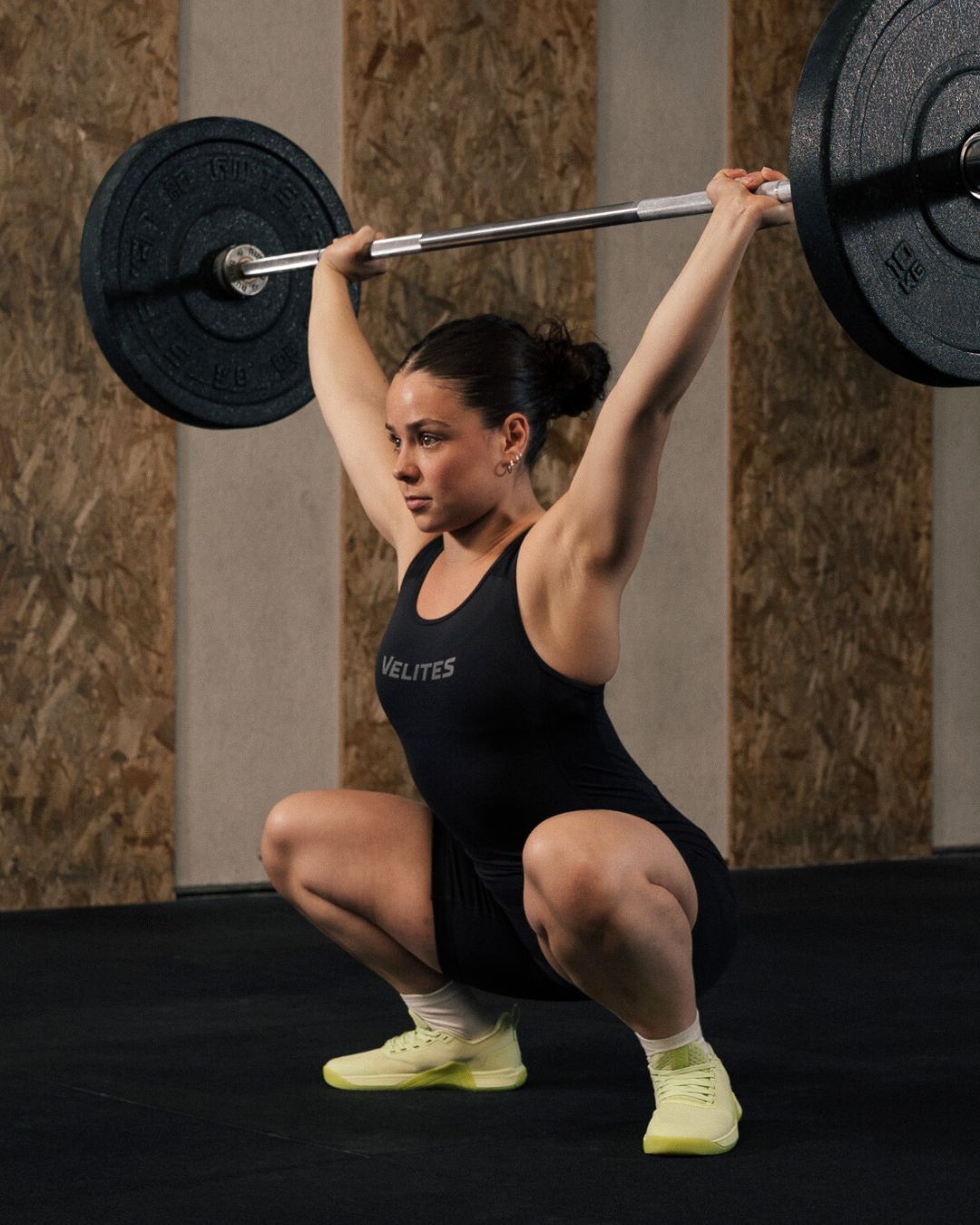
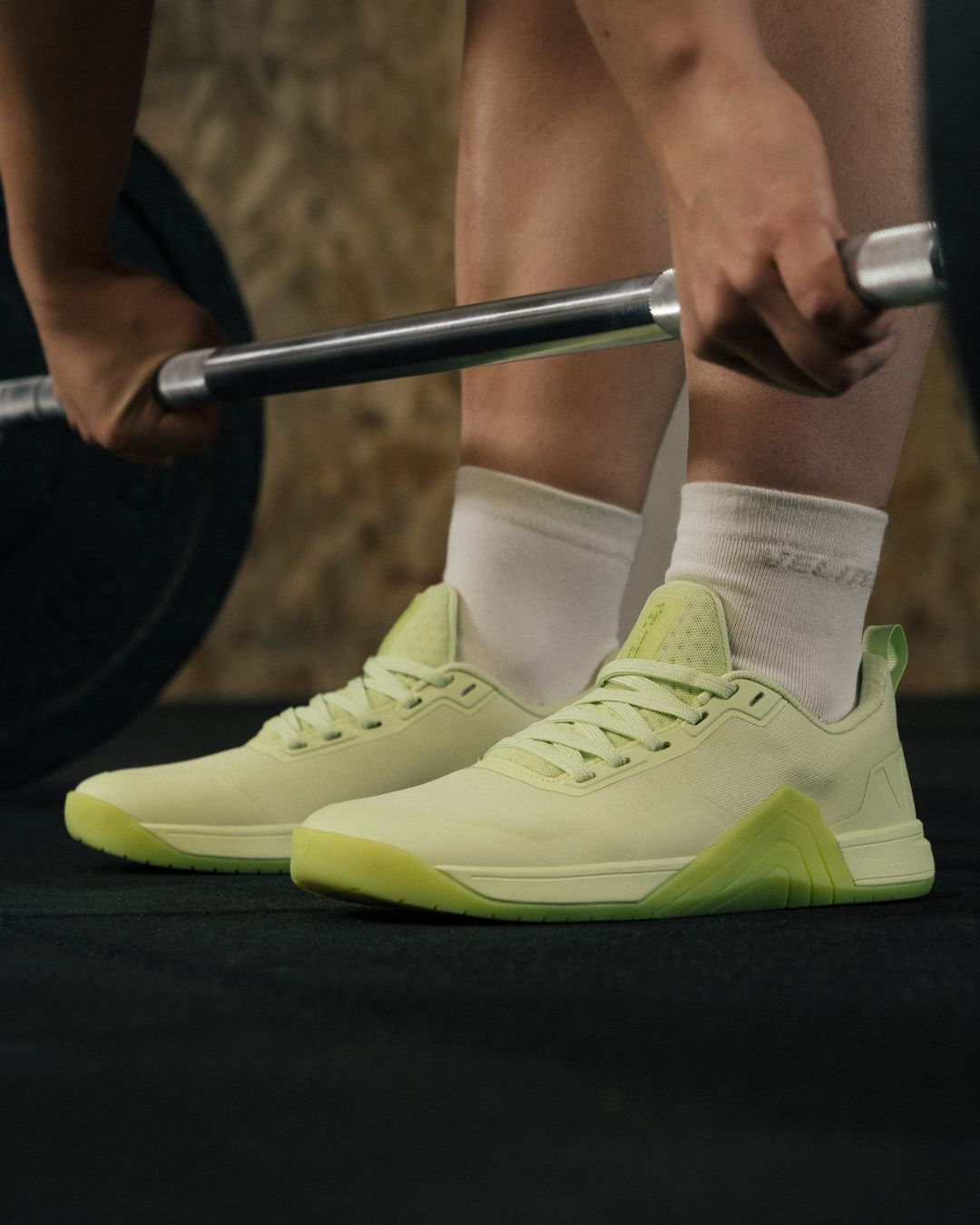
Are they good for everything in CrossFit?
Yes, they are excellent for most activities inside the box because they prioritize stability, rope climbs and short sprints. If your WOD includes between 1–2 km total per session, they work very well.
In CrossFit and functional training, the foot faces three incompatible demands if the shoe is not well designed:
Stability when loaded (squats, cleans, thrusters).
Traction + protection when there is aggressive friction (rope climbs, wall walks, lateral supports).
Comfort + forefoot flexion when you add short runs and jumps within the WOD.
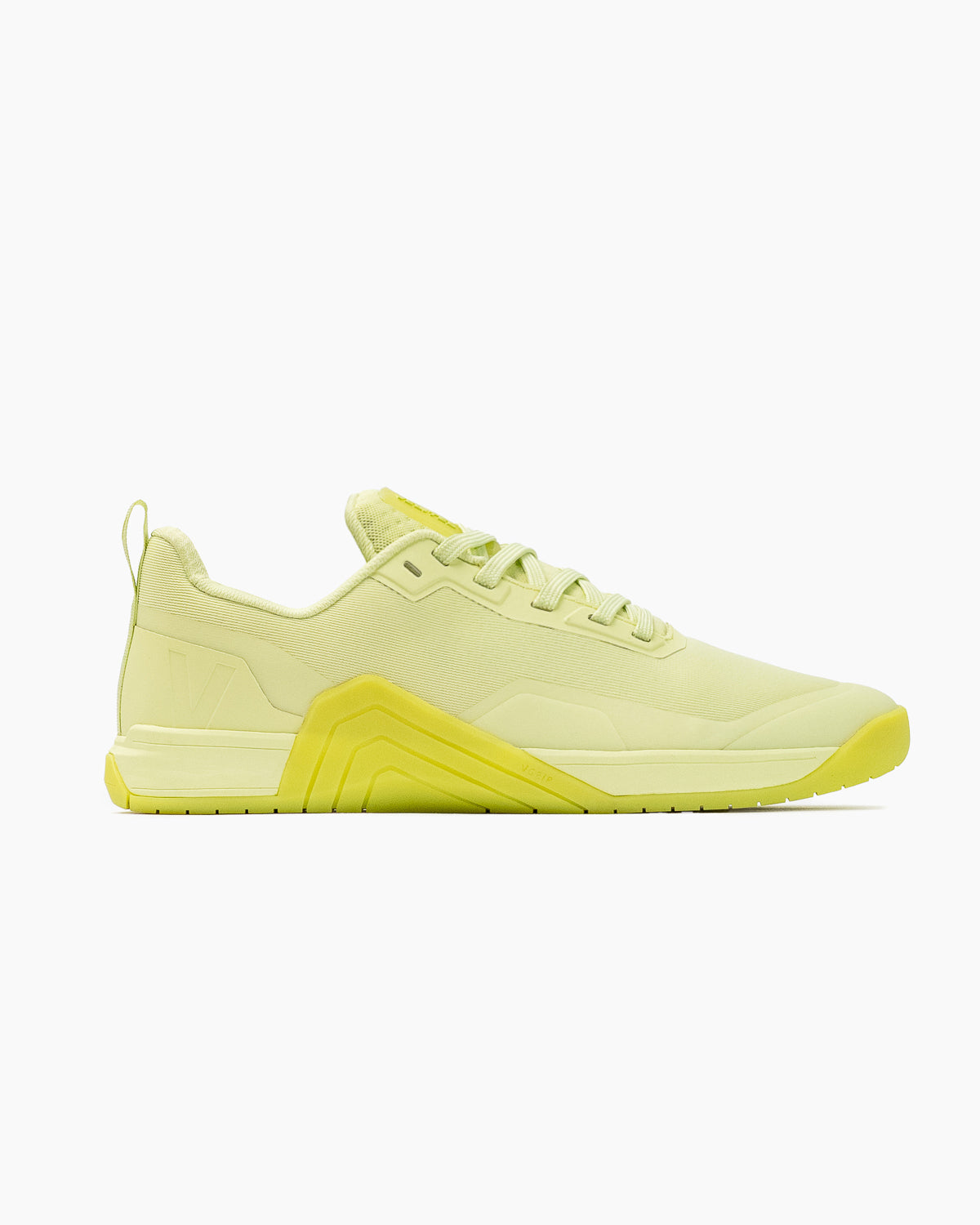
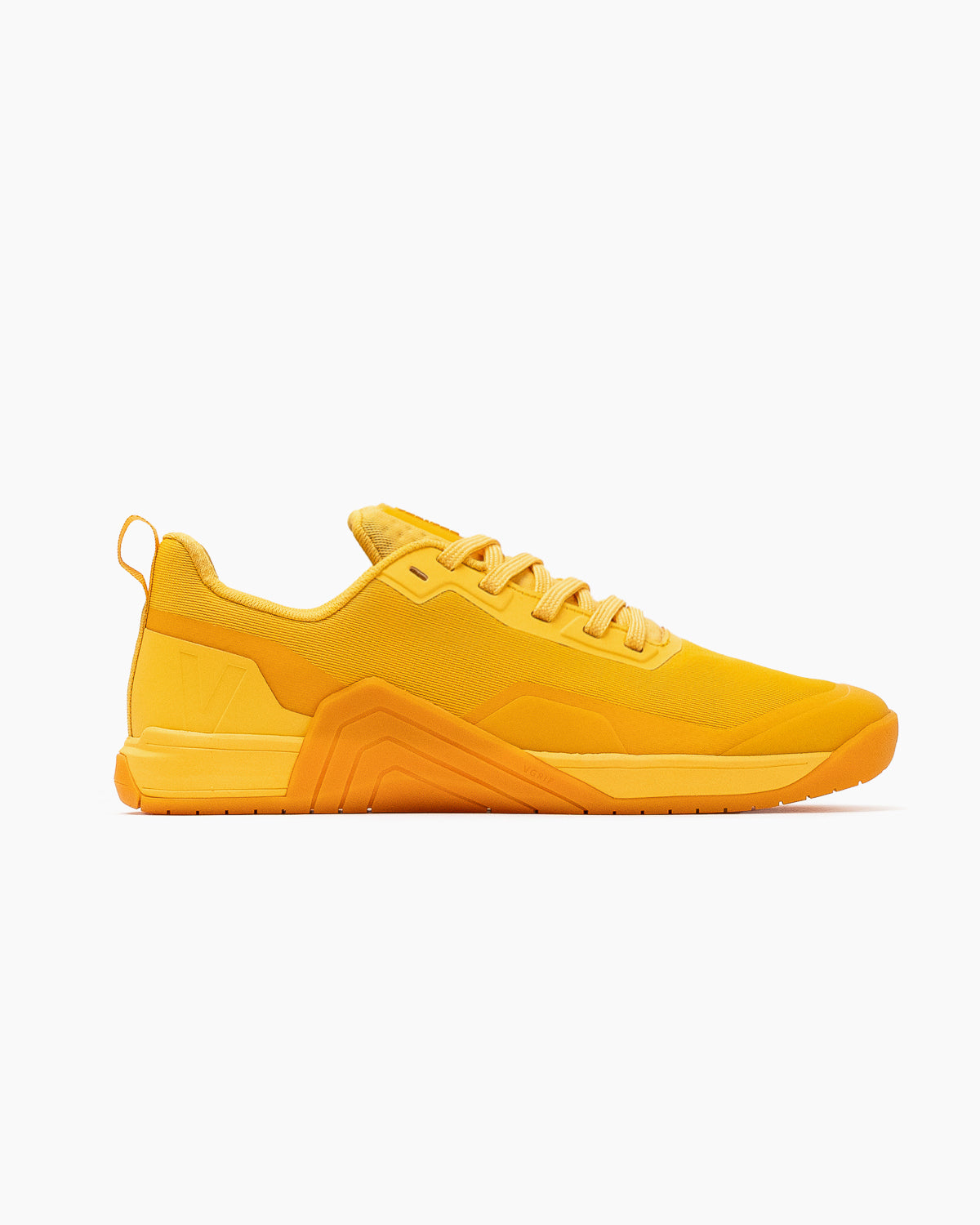
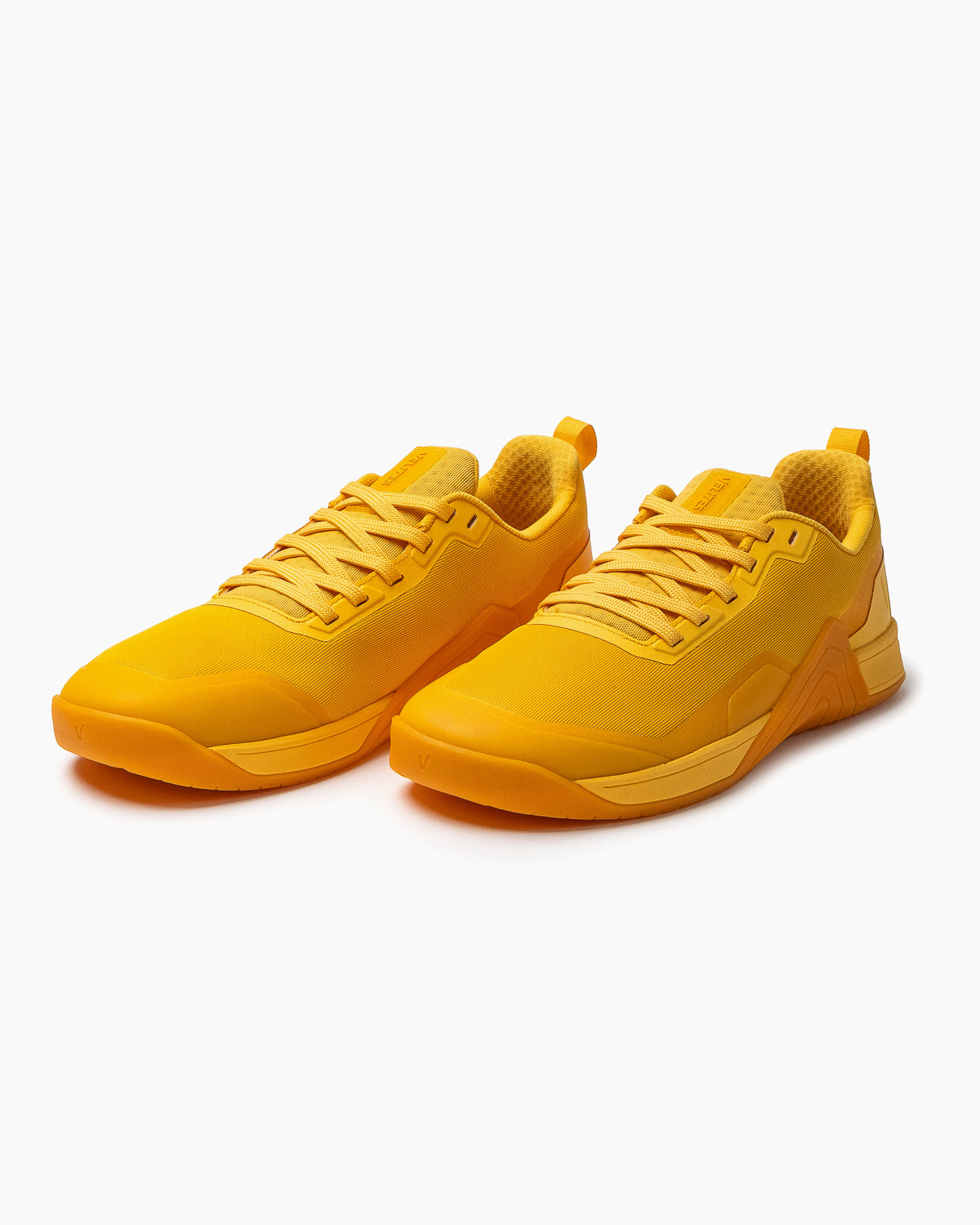
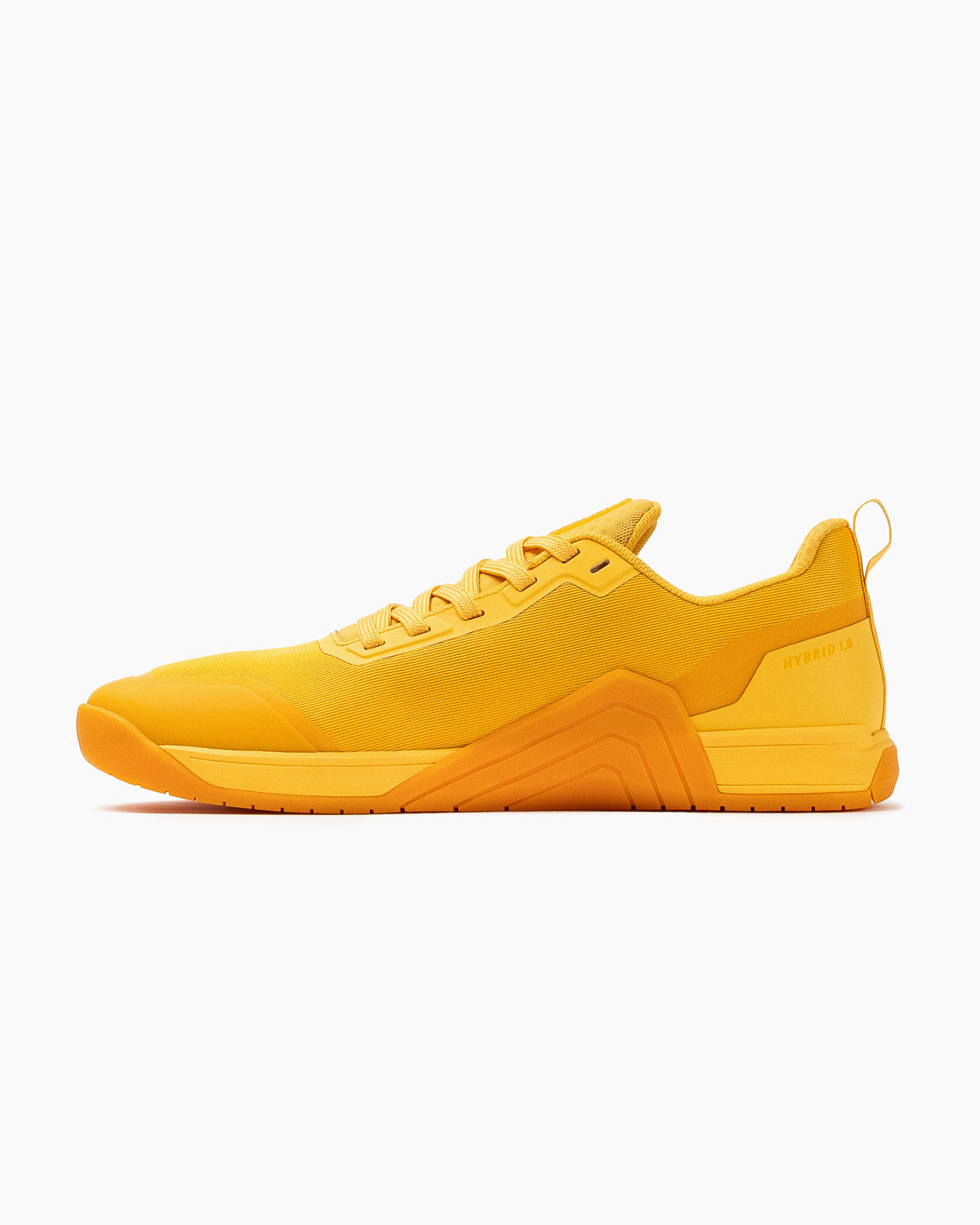
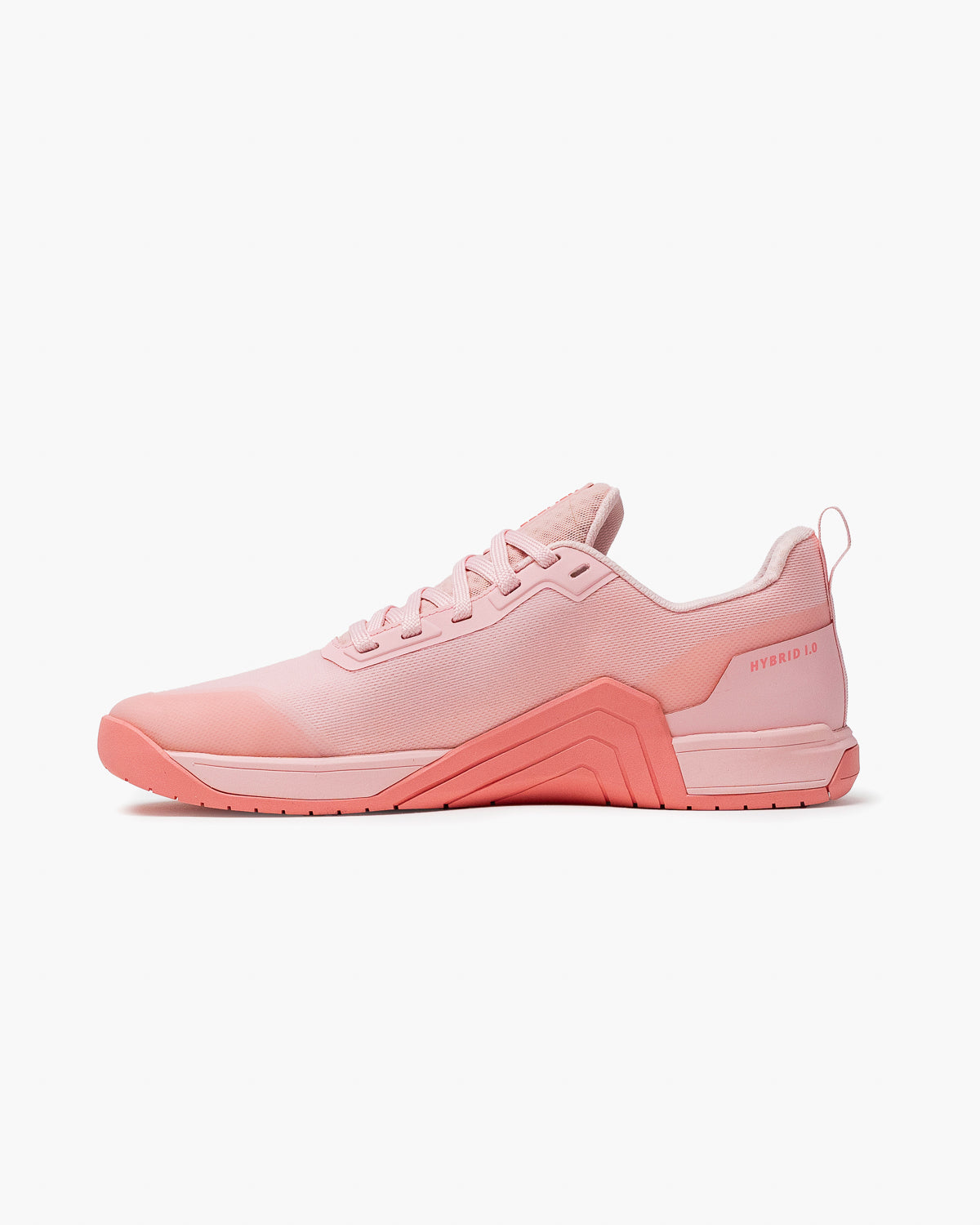
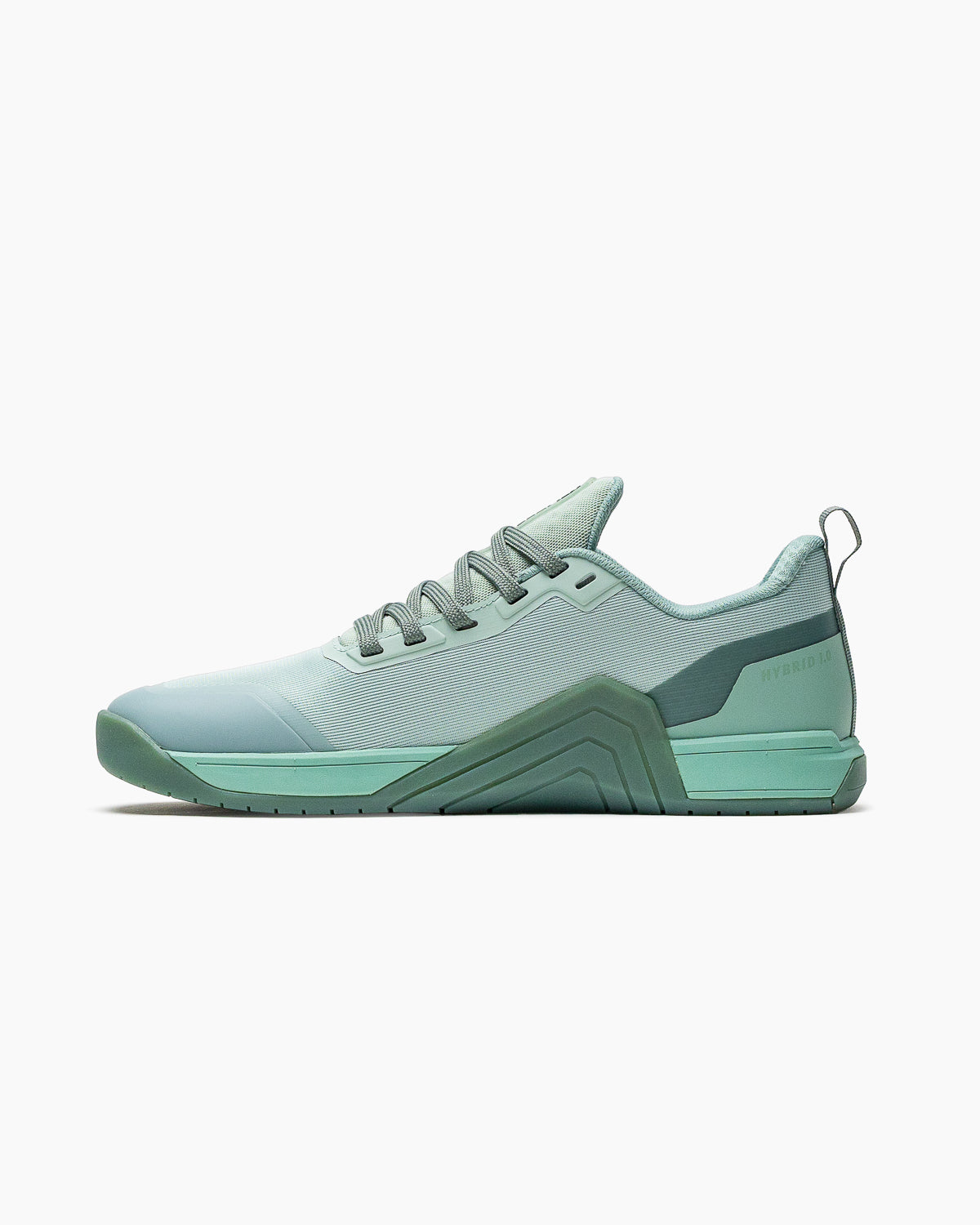
The Velites Hybrid 1.0 exists so you don’t have to “switch shoes” mentally depending on the block: you lift with confidence, move fast, and still have your feet intact at the end of the workout. (In the CrossFit® Special Edition: same focus, with CrossFit® identity).
Who it’s forAthletes who do CrossFit / functional training 3–7 days/week.
Those who mix strength + gymnastics + short running in the same session.
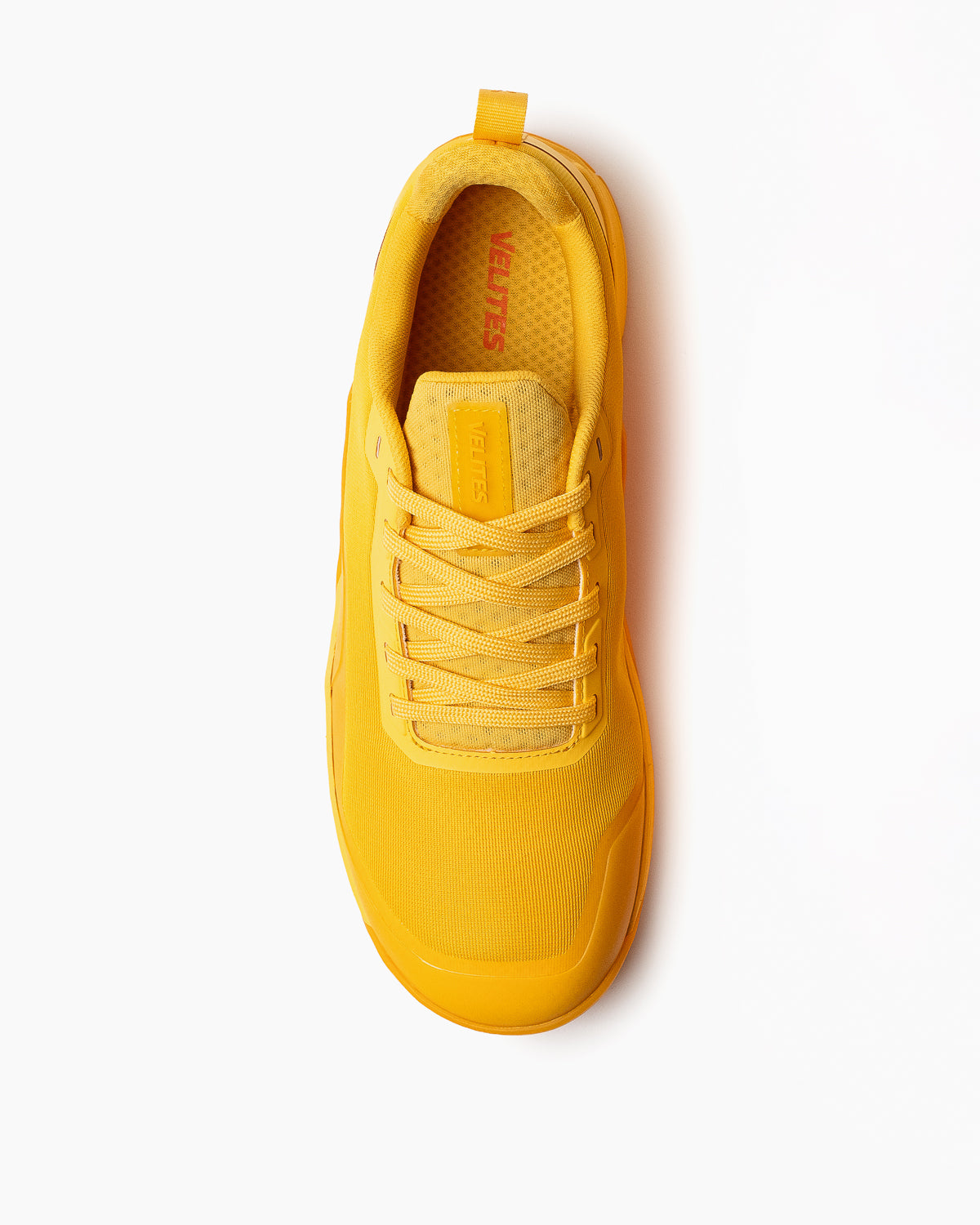
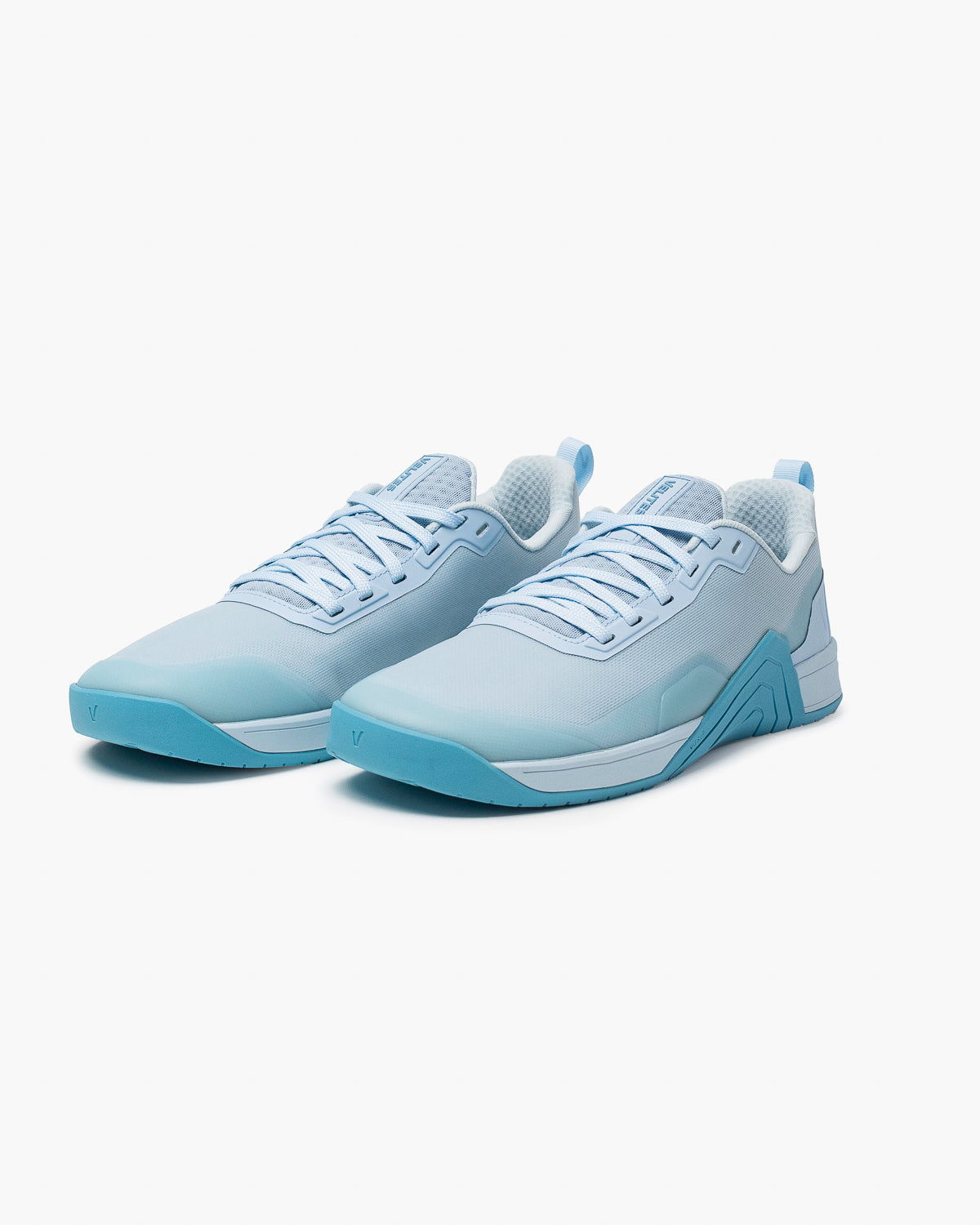
Medium or wide feet seeking a wide toe box (women’s CrossFit shoes and men’s CrossFit shoes, for a more natural fit).
Anyone who does rope climbs and wants a shoe that can take the punishment.
Are they suitable for heavy lifting?
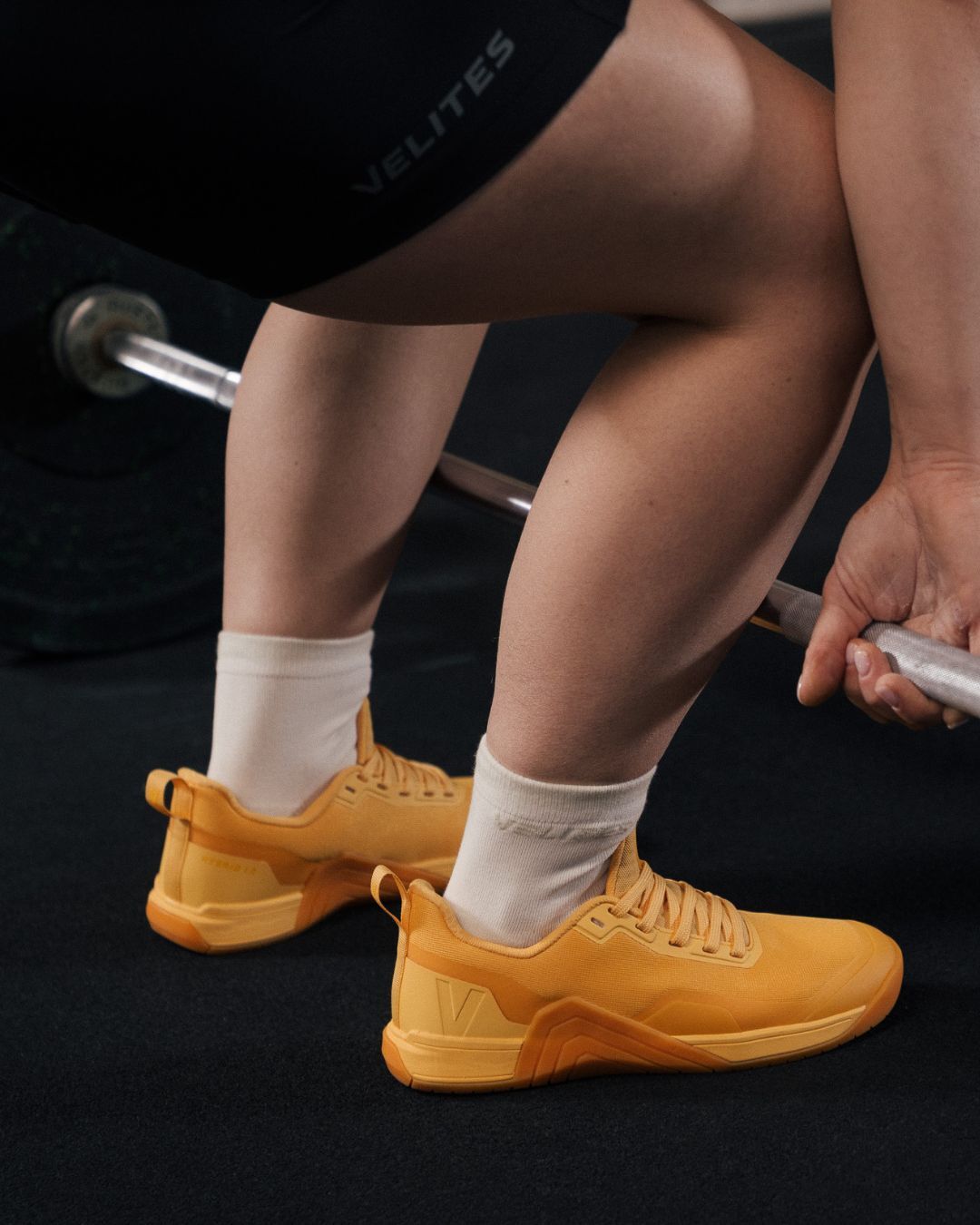
Yes, they are very good for lifts in CrossFit (lifts, complexes, squats and deadlifts). However, if you compete in Olympic weightlifting and need maximum heel elevation, a dedicated weightlifting shoe will provide better leverage.
Primary use (what they do best)CrossFit / complete functional training:
Lifts: squats, deadlifts, technical Olympic lifts.
Metcons with short runs (100–800 m), pace changes, jumps.
Rope climbs / wall walks / lateral supports: grip, protection and control.
Secondary useGeneral strength gym + accessories.
Structured HIIT with jumps and movements.
HYROX only if your running volume is moderate and you prioritize stations (if HYROX is 90% running, choose a running shoe).
How are they for rope climbs?
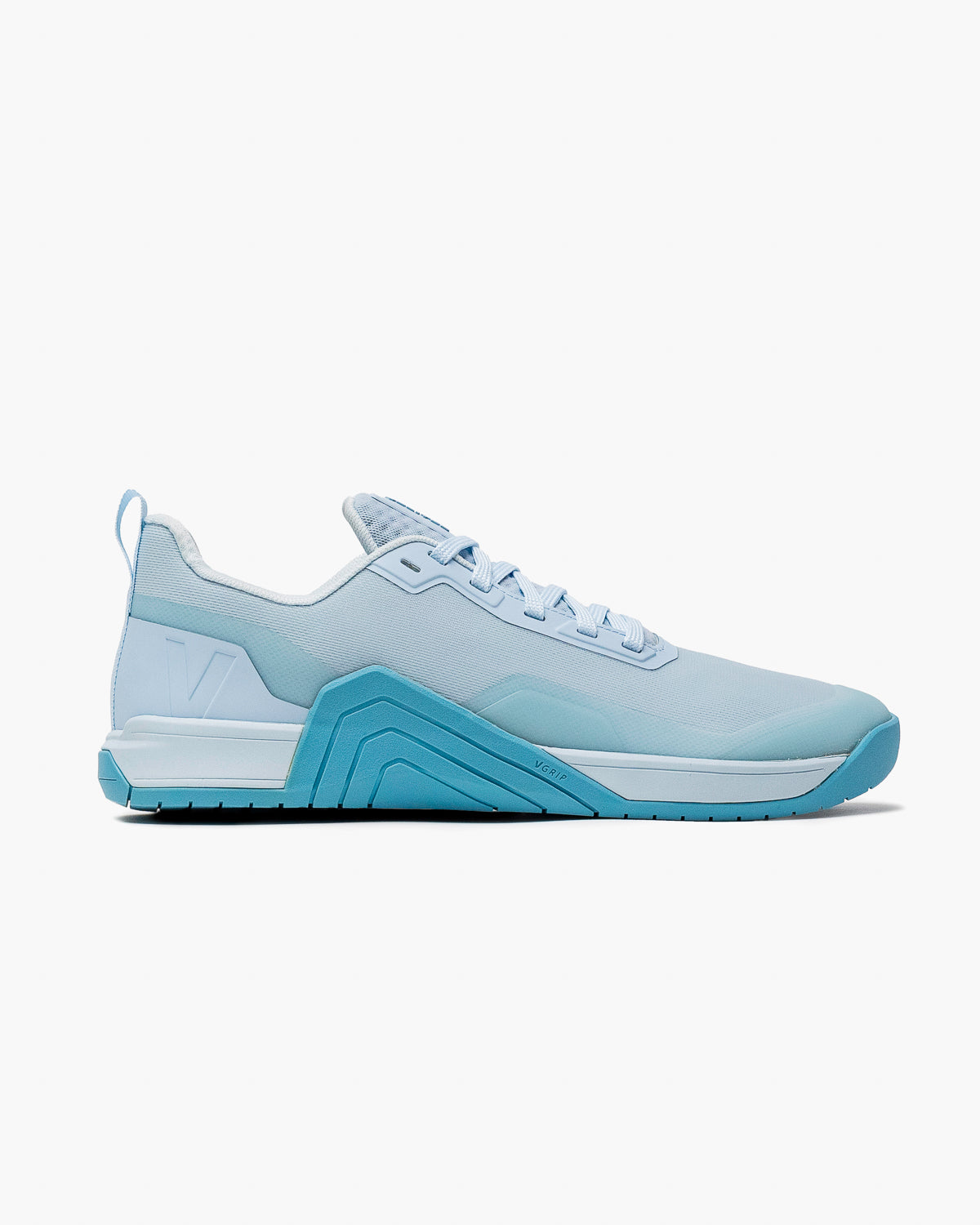
The design logic is there: VGrip + TPU for grip and lateral protection. However, technique matters: if you always squeeze the same point and drag, any shoe will suffer.
Are they good for handstand push-ups?
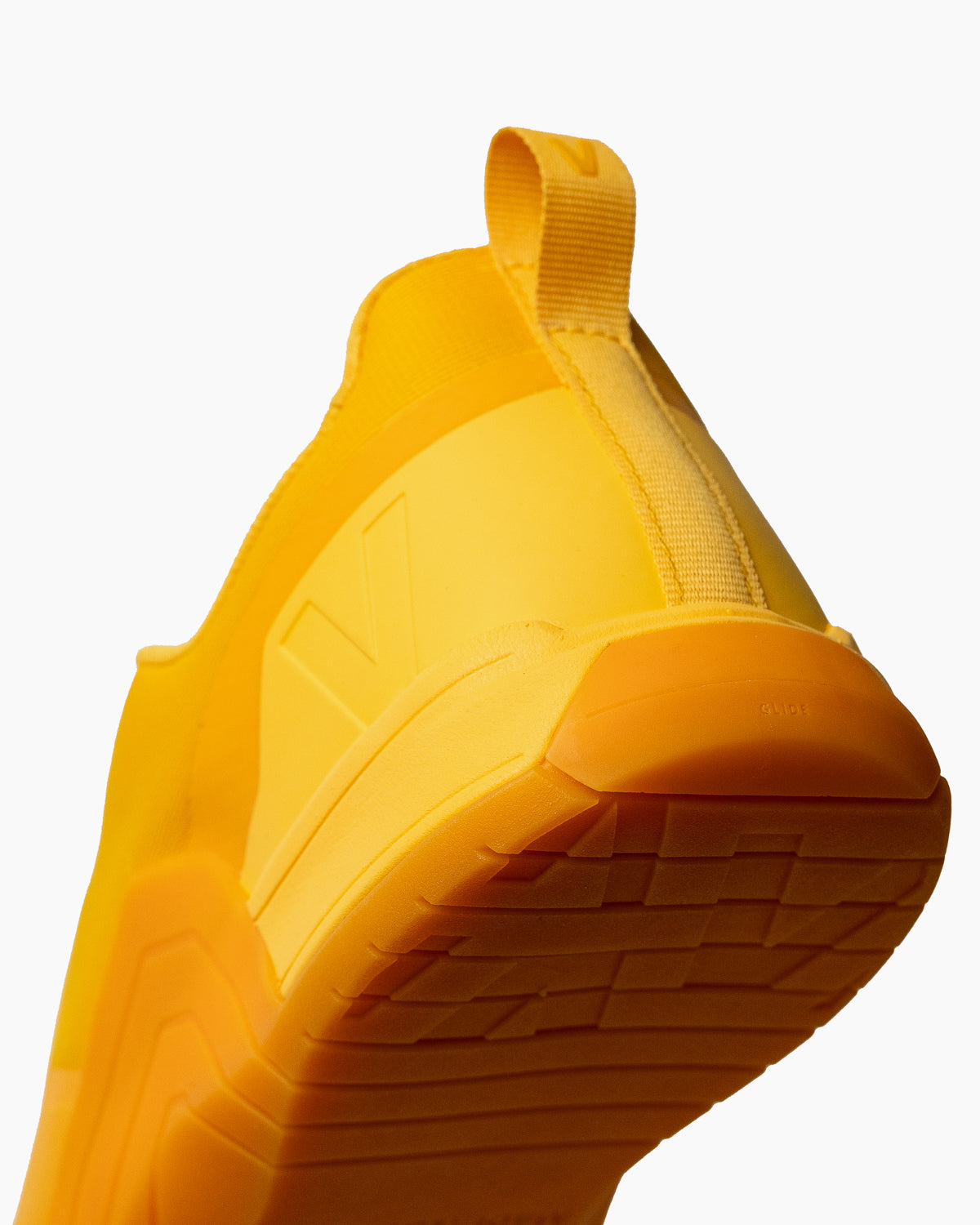
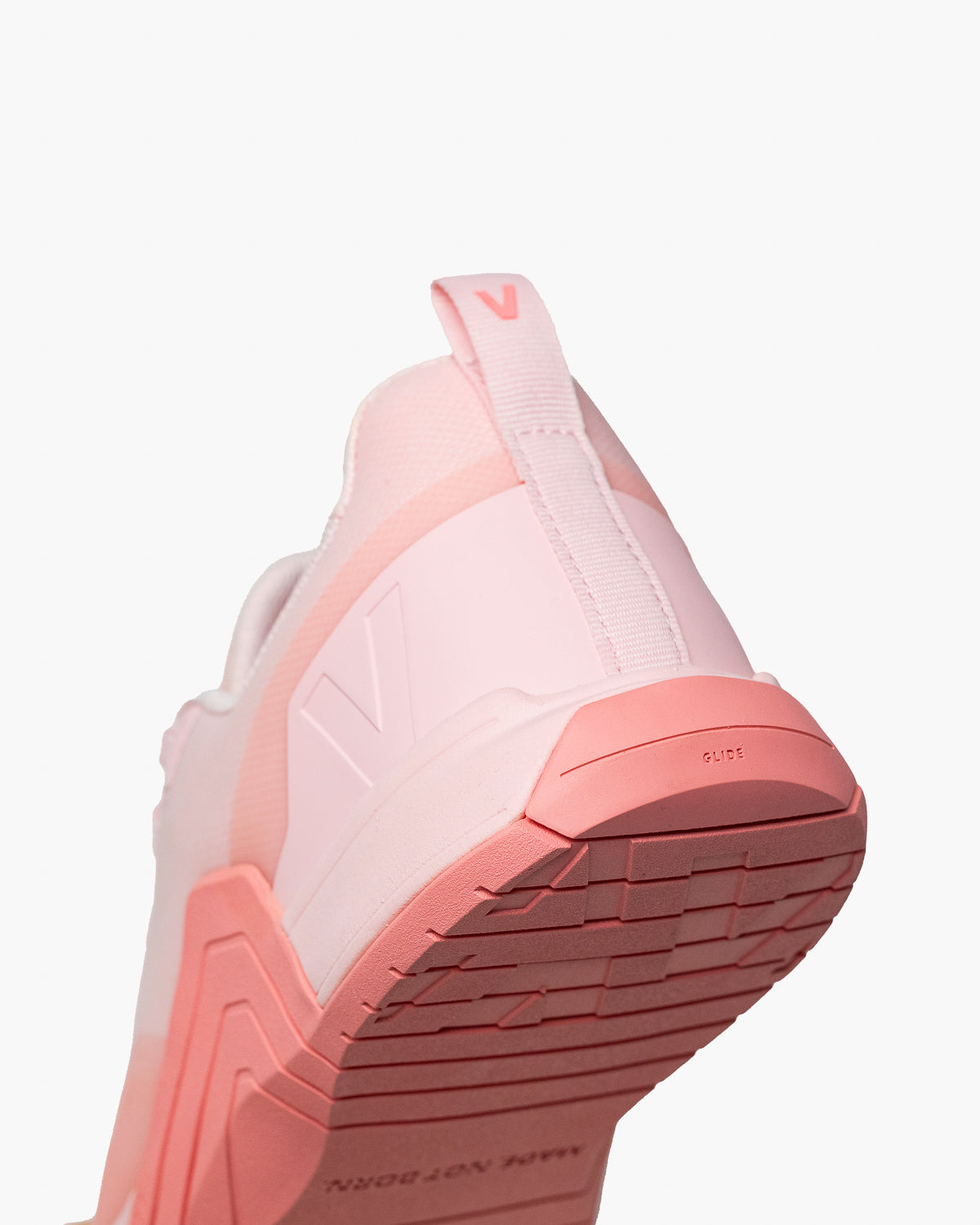
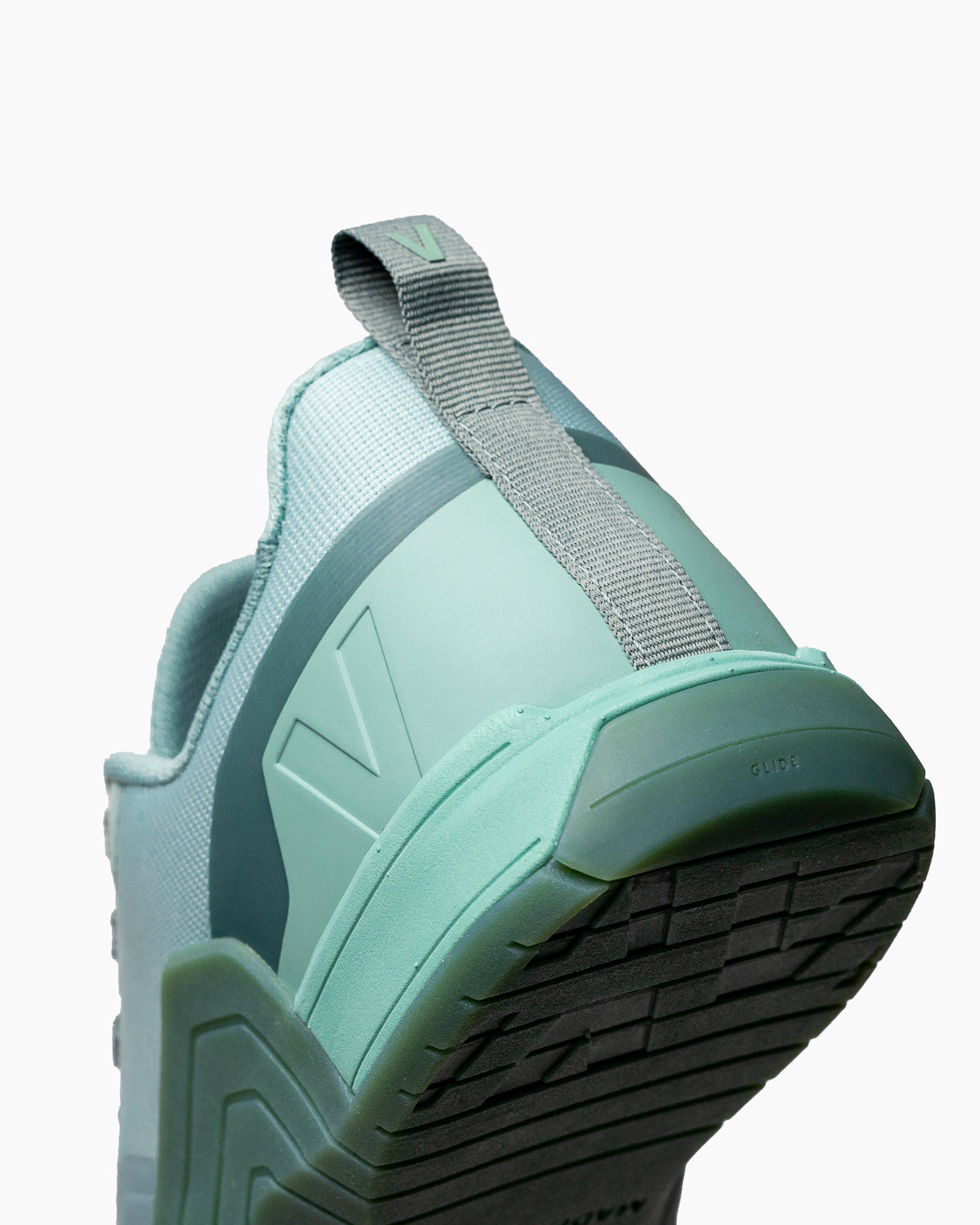
Yes, they have higher-density rubber in the rear for smoother, more controlled sliding during handstand push-ups.
Can I run in them?
They are designed for short runs within functional training (intervals, transitions). The geometry and low drop are intended for that. For long runs, it’s better to use a running shoe.
Is the toe box too wide?
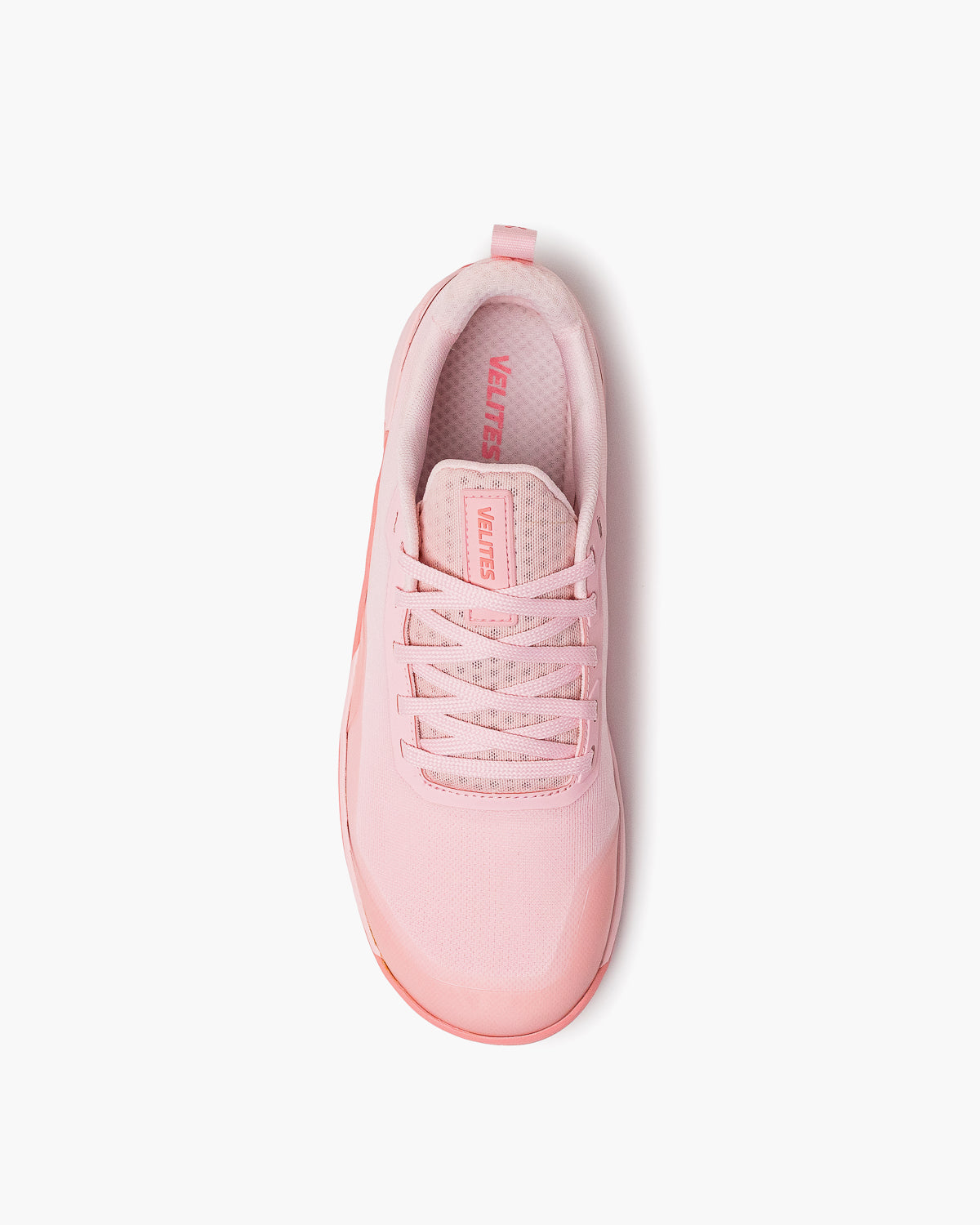
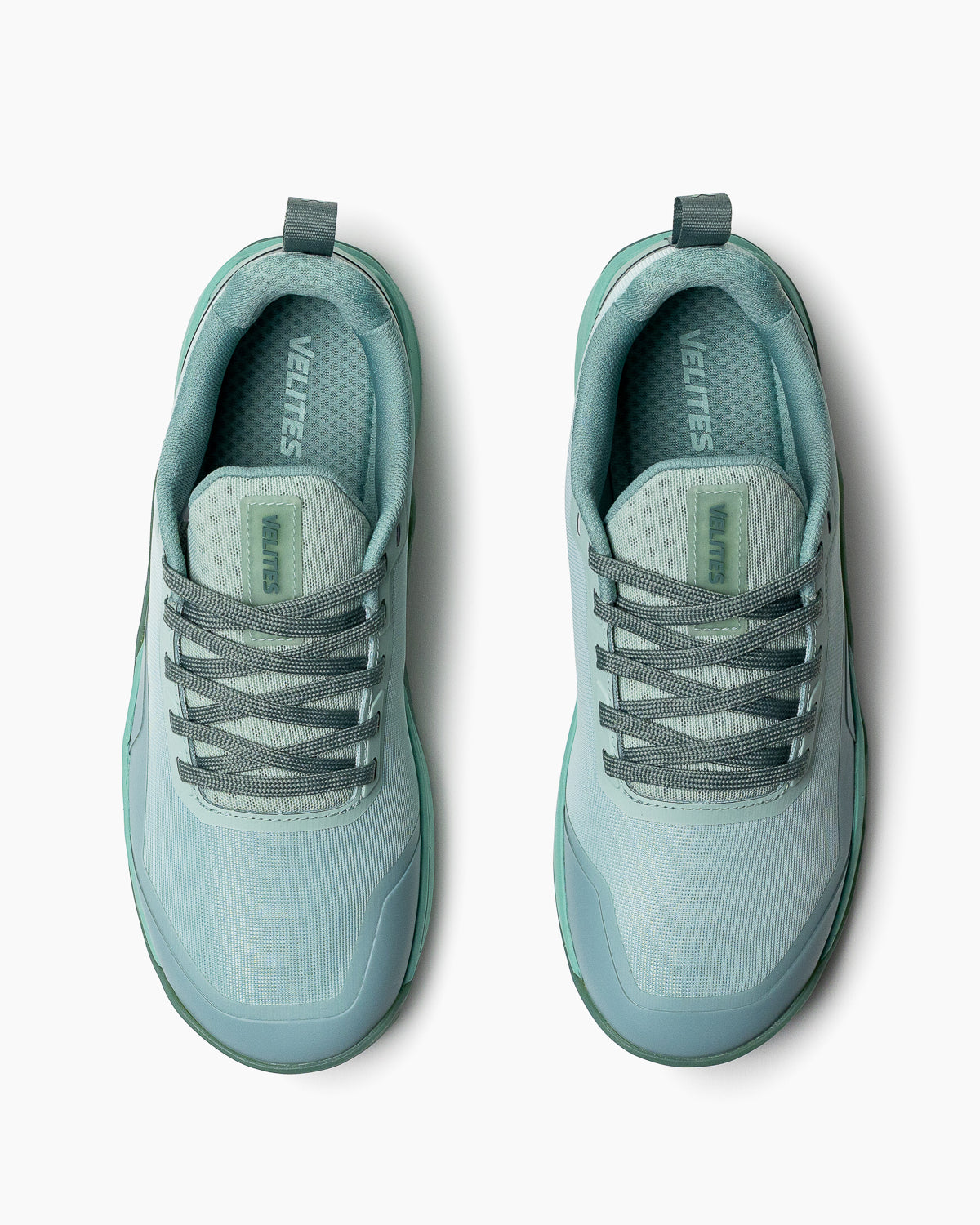
It’s not aesthetic, it’s biomechanical. It provides space for the big toe to anchor and stabilize the foot. If you come from narrower shoes, it may feel different at first, but you’ll appreciate it when you fatigue.
I have a narrow foot, will they slip?
The toe box is wide, but the midfoot should be secured by the lacing. If it still slips, you can adjust it with a runner’s loop or the half-lacing technique.
Can I remove the insole?
Yes, it is usually removable. If you replace it, make sure to maintain the TPE + viscoelastic system to preserve pressure distribution.
Why were they designed this way?
1) Stability for lifting without losing mobilityStability is not “stiff for the sake of it”. It’s density and geometry so the foot does not collapse when you push the floor. In the Hybrid 1.0 the midsole is designed for power transfer in lifts while still allowing short runs and functional movements.
In practice:
On a heavy clean: you notice the foot does not sink on impact.
On thrusters: stability when ankle and arch fatigue accumulate.
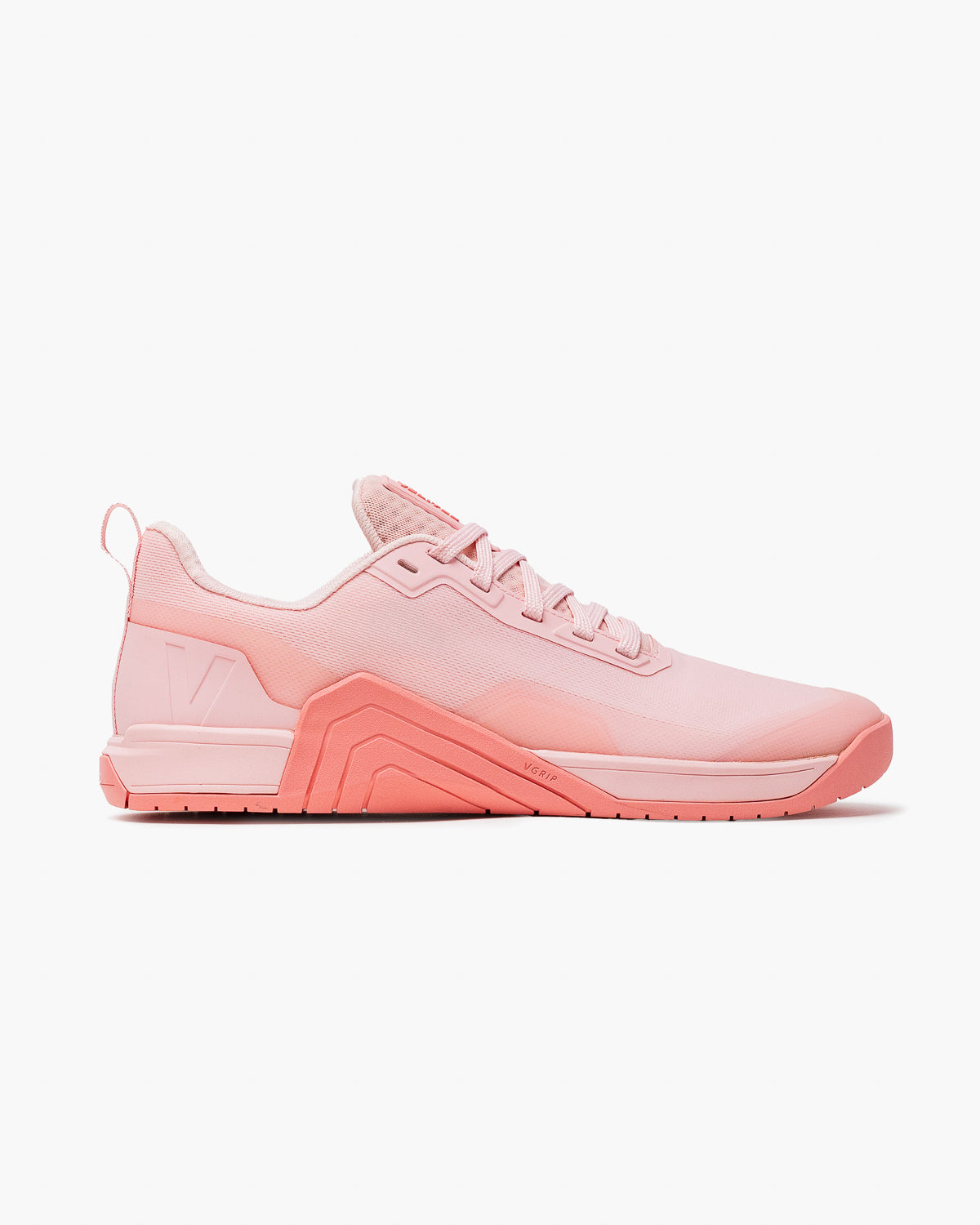
2) VGrip + TPU reinforcement for rope climbs and lateral frictionOn the rope, shoes fail for two reasons: abrasion and heat from friction. The Hybrid 1.0 reinforces lateral zones to grip the rope and protect material where it wears most.
Why TPU here: TPU (thermoplastic polyurethane) is used in footwear for its combination of durability/abrasion resistance and flexibility (it reinforces without making an exoskeleton).
3) Heel with higher-density rubber for handstand push-upsIn HSPU, the heel drags against the wall/surface: you need controlled sliding, not “catching”. Velites specifies a higher-density rubber at the rear so sliding is smoother and more stable.
4) Dual insole: TPE + viscoelastic (comfortable WITHOUT becoming unstable)The insole isn’t just for cushioning; it manages pressure and fatigue:
TPE provides elastic response (recovers shape).
The viscoelastic (memory foam) distributes pressure and improves comfort in long sessions.
Additionally, TPEs have an industrial advantage: as thermoplastics they can be reprocessed compared to thermoset elastomers (depending on the system and recycling flow, but the material allows it).
What does the recycled polyester in the upper provide?
It offers a good balance of strength, lightness and quick-drying. It also reduces dependence on virgin polyester, contributing to a more sustainable supply chain.
What does the sugarcane in the EVA provide?
It’s a bio-based alternative to traditional EVA: it delivers the same functional benefits (light cushioning) using a renewable raw material.
How long do they last?
Durability depends on the surface, rope technique and weekly volume of use. Velites emphasizes durability in wear and abrasion testing.
Can I wash them with regular soap?
Yes, but to maximize lifespan use a small amount of soap and a neutral detergent. Avoid bleach.
Can I dry them in the sun?
Better not. Heat can accelerate degradation of the EVA/adhesives and deform the shoe.
Real training examples with them
Typical CrossFit scenario: strength + metconDay: heavy back squat + 12’ metcon (box jumps + 200 m run + rope climb)
On the squat: stability under load.
On short runs: forefoot flexion sufficient so they don’t feel like “dress shoes”.
On the rope: VGrip/TPU protect in the lateral pinch.
HYROX “station-dominant” scenarioDay: SkiErg + lunges + wall balls + running segments
If your HYROX is more “station-focused”: the Hybrid 1.0 performs well for stability and control.
If you’re a pure runner: prioritize a running shoe.
Fatigue and foot swellingWith fatigue the foot volume increases (pumping). The wide toe box and dual insole are designed to accommodate expansion and reduce pressure points.
What do athletes say?
“Very comfortable from the first moment… wide toe box… minimalist drop… good cushioning and grip.” — External review (Anabel Ávila)
“For me… perfect balance between strength and dynamism… all-terrain…” — Review (RUNNEA)
“They are perfect for CrossFit. Stable… they also perform well for short runs.” — Product page review
Are the Hybrid 1.0 good CrossFit trainers?
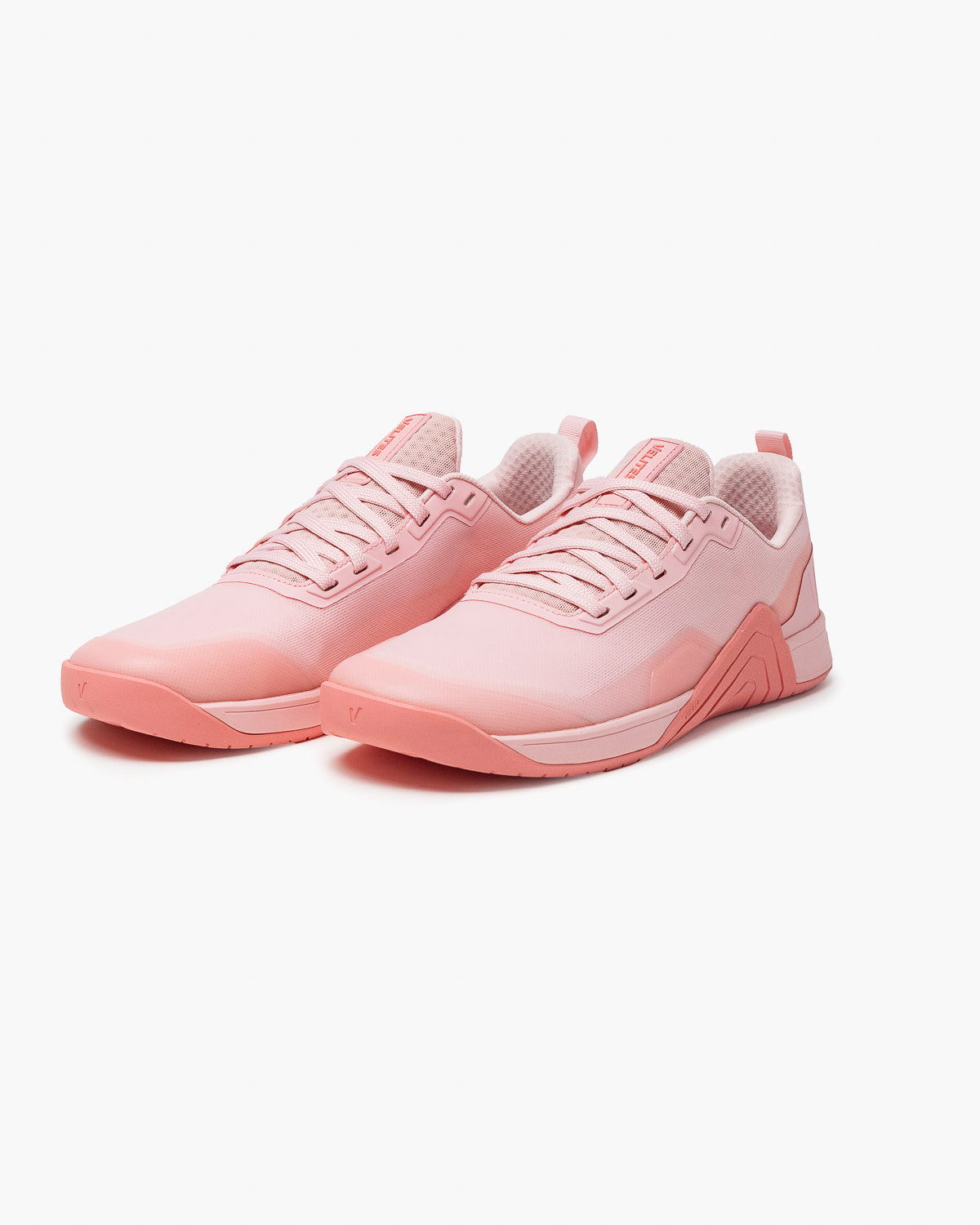
Yes. The Hybrid 1.0 is built specifically as a CrossFit trainer: stable midsole for lifting, VGrip reinforcement for rope climbs, and a wide toe box for natural movement under load.