


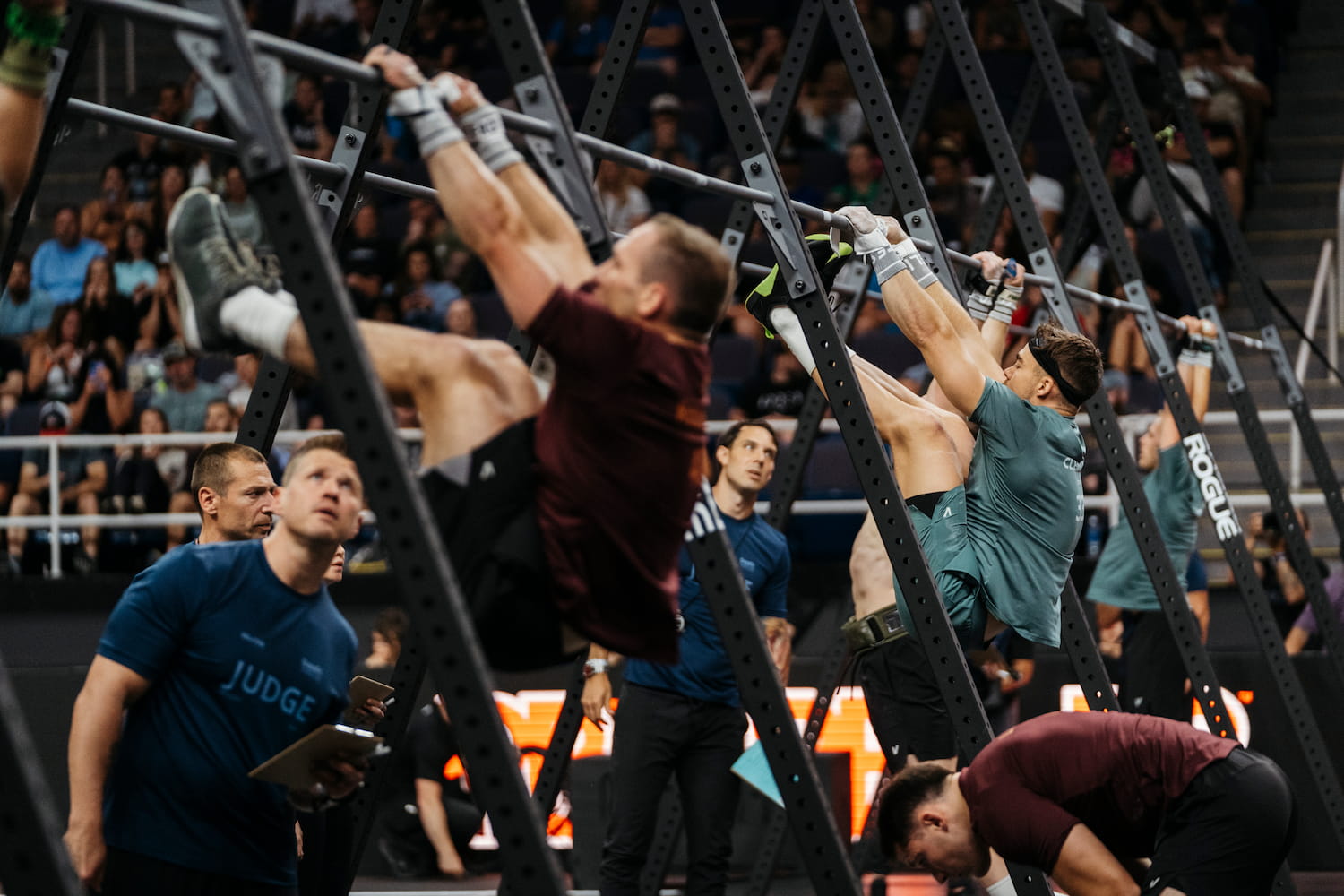
In competition the bar and the rules decide. You don't control the rig, sometimes you can't clean it, and the judge has the final say. This chapter is your playbook: how to choose a grip depending on the scenario, which pre-heat routine to follow and how to perform the same… even if everything is chaos.
First things first: competition day is not like any ordinary Tuesday
When you compete, two everyday conveniences disappear: choosing the bar and managing your time. You get placed where you're placed, with the chalk others left and a clock that's ticking. That's why, more than looking for “the perfect grip”, you need a simple system that works on almost any rig and that doesn't conflict with the rules.
Think about three fronts you'll need to resolve in minutes:
- What does the rulebook allow?
- What's the bar like? (cleanliness, texture, moisture)
- Which system will let me perform best today? (no chalk vs with chalk)

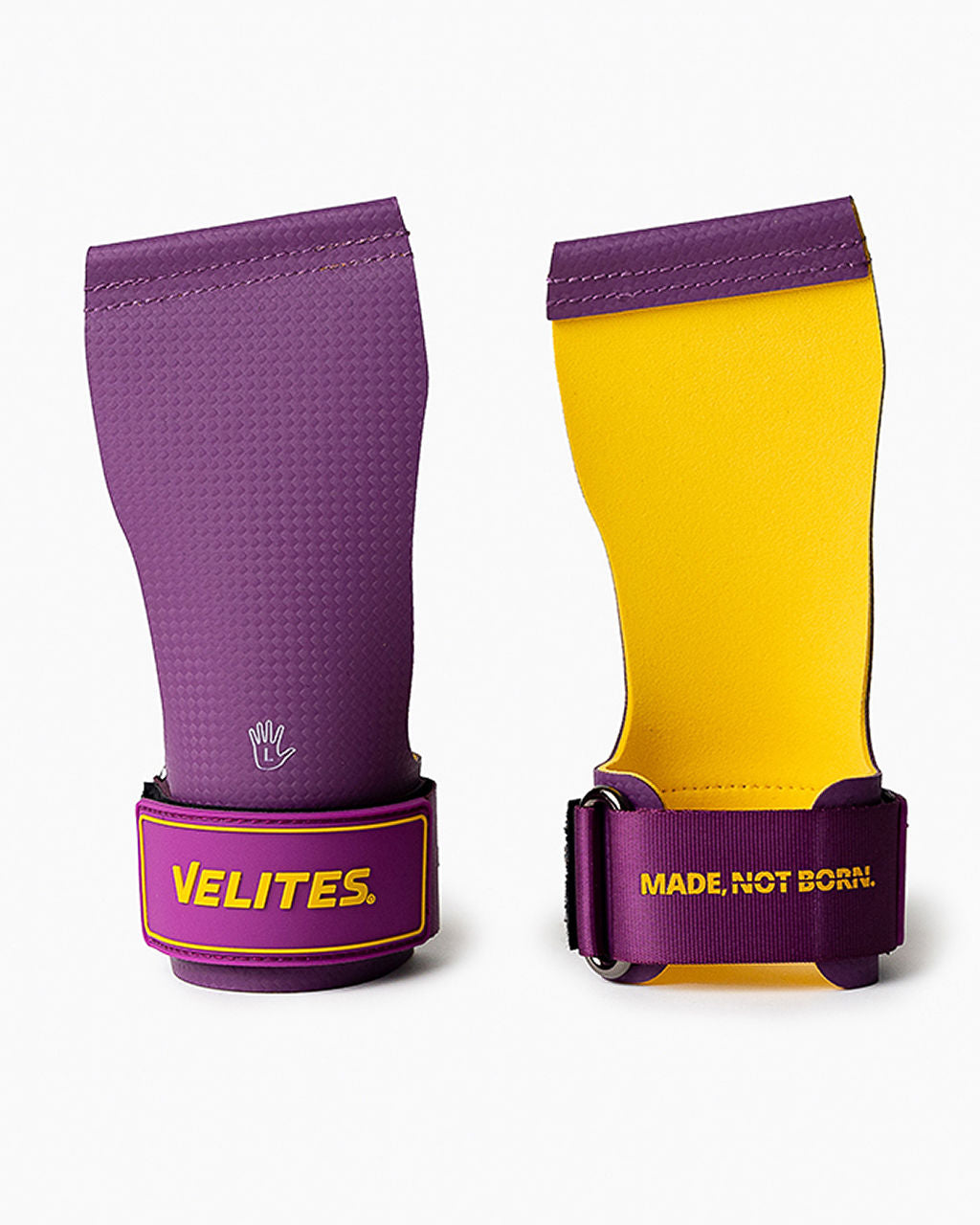
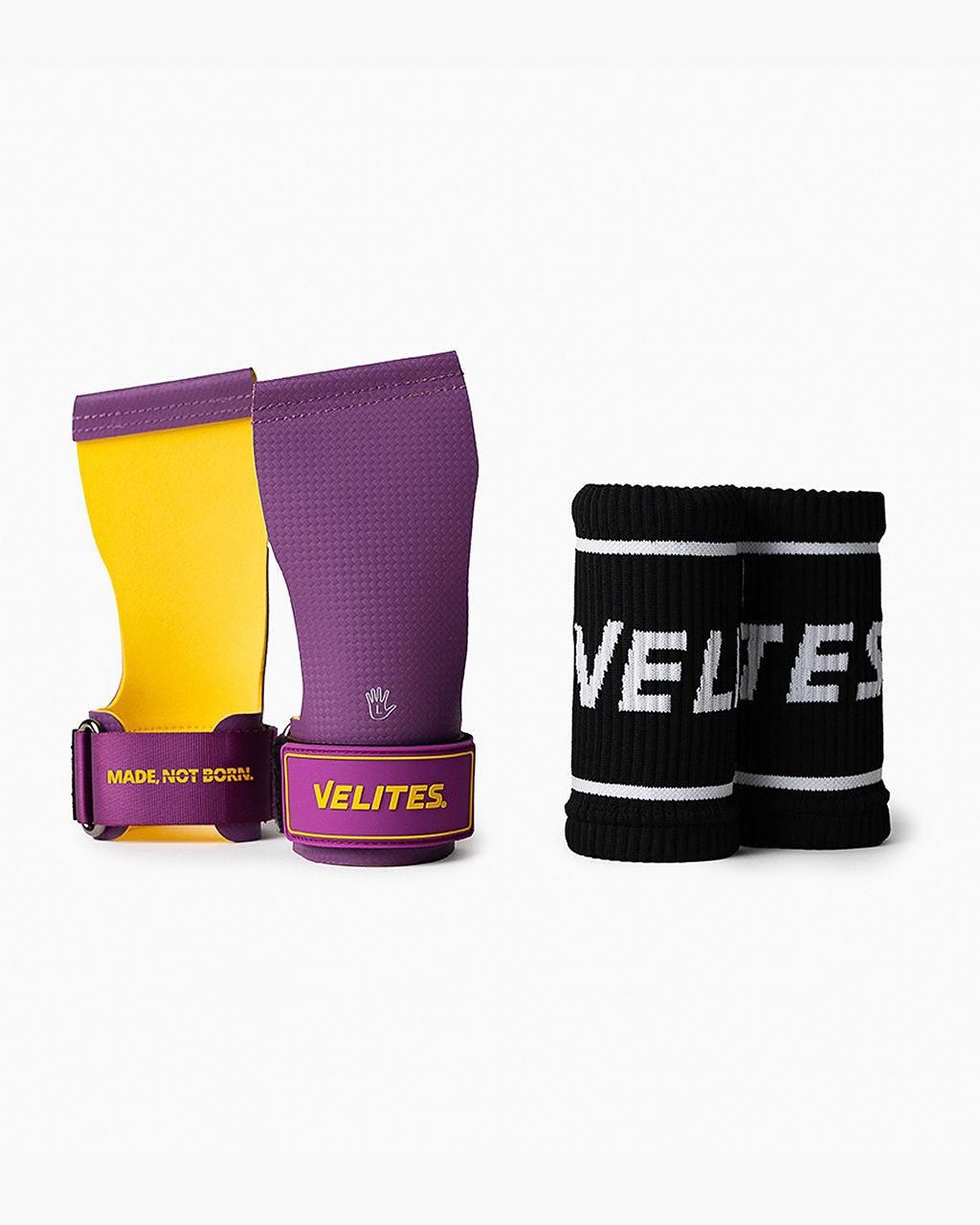
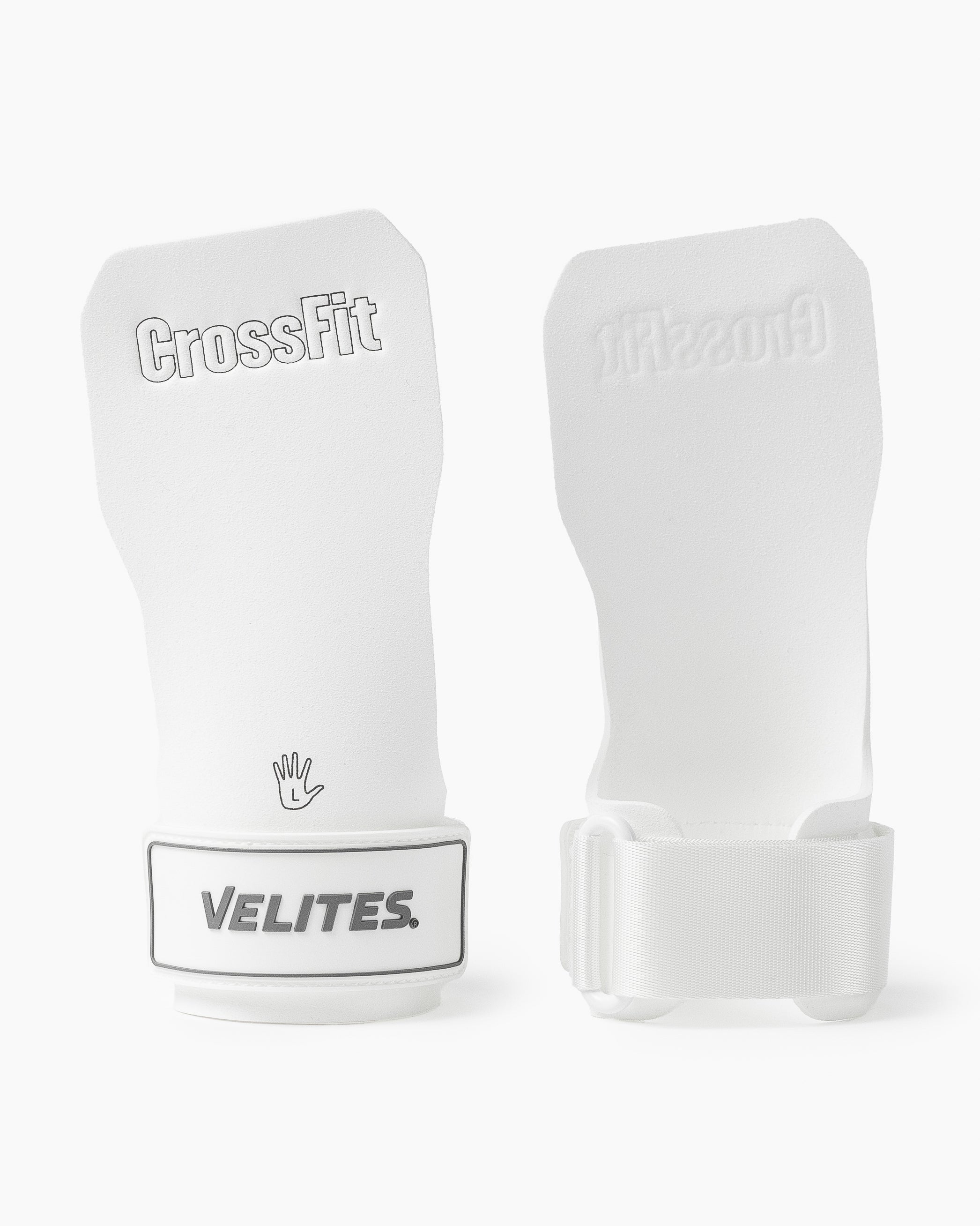
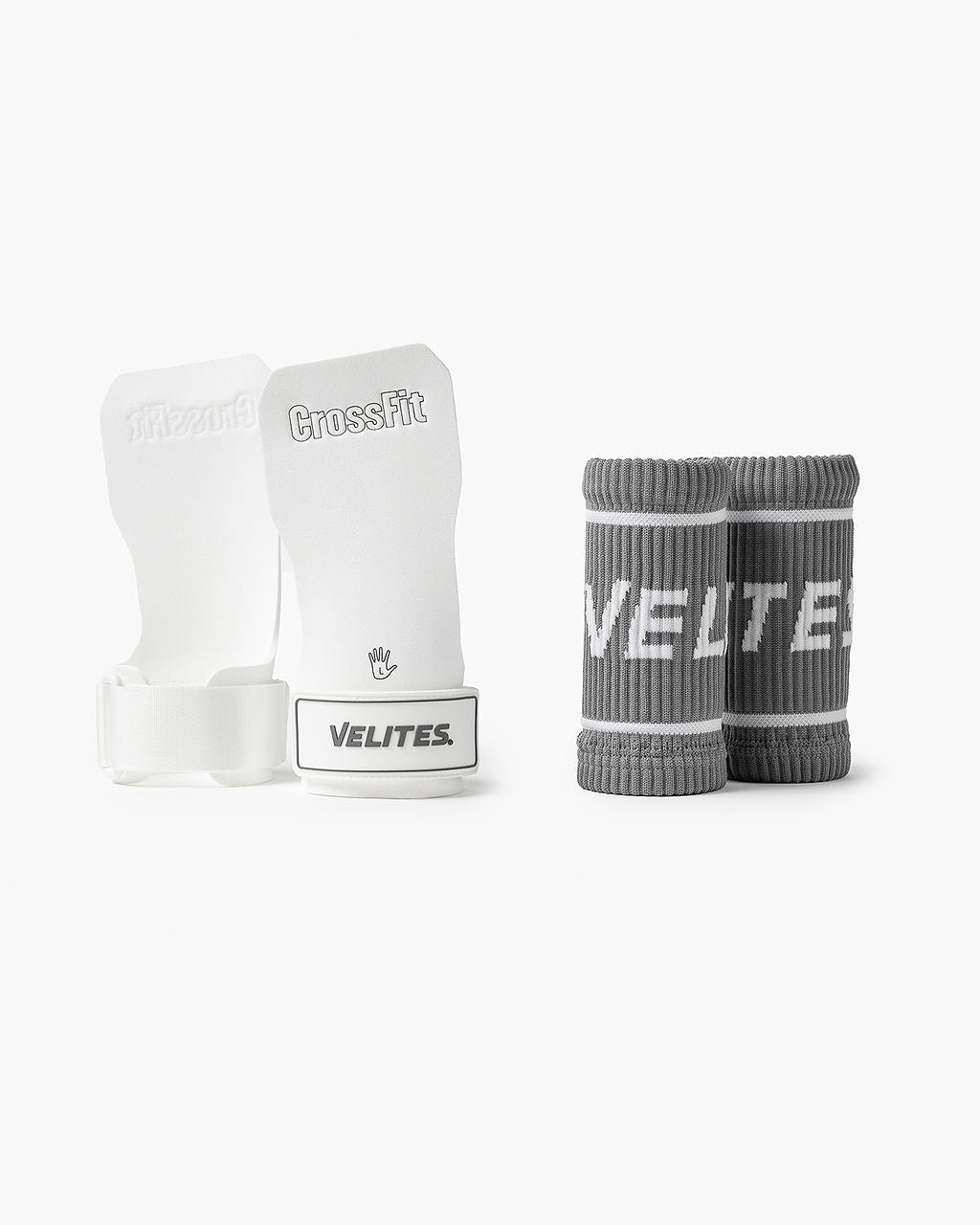

Rules: what can happen and how to bulletproof yourself
We don't dramatize, but we are practical. There are events that restrict designs or interpret strictly what “adds grip”. The objective is to compete without arguments or surprises in the call room.
- How to avoid surprises: train and compete with an option designed for compliance.
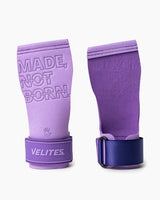
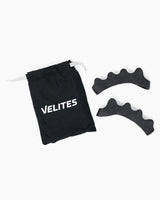
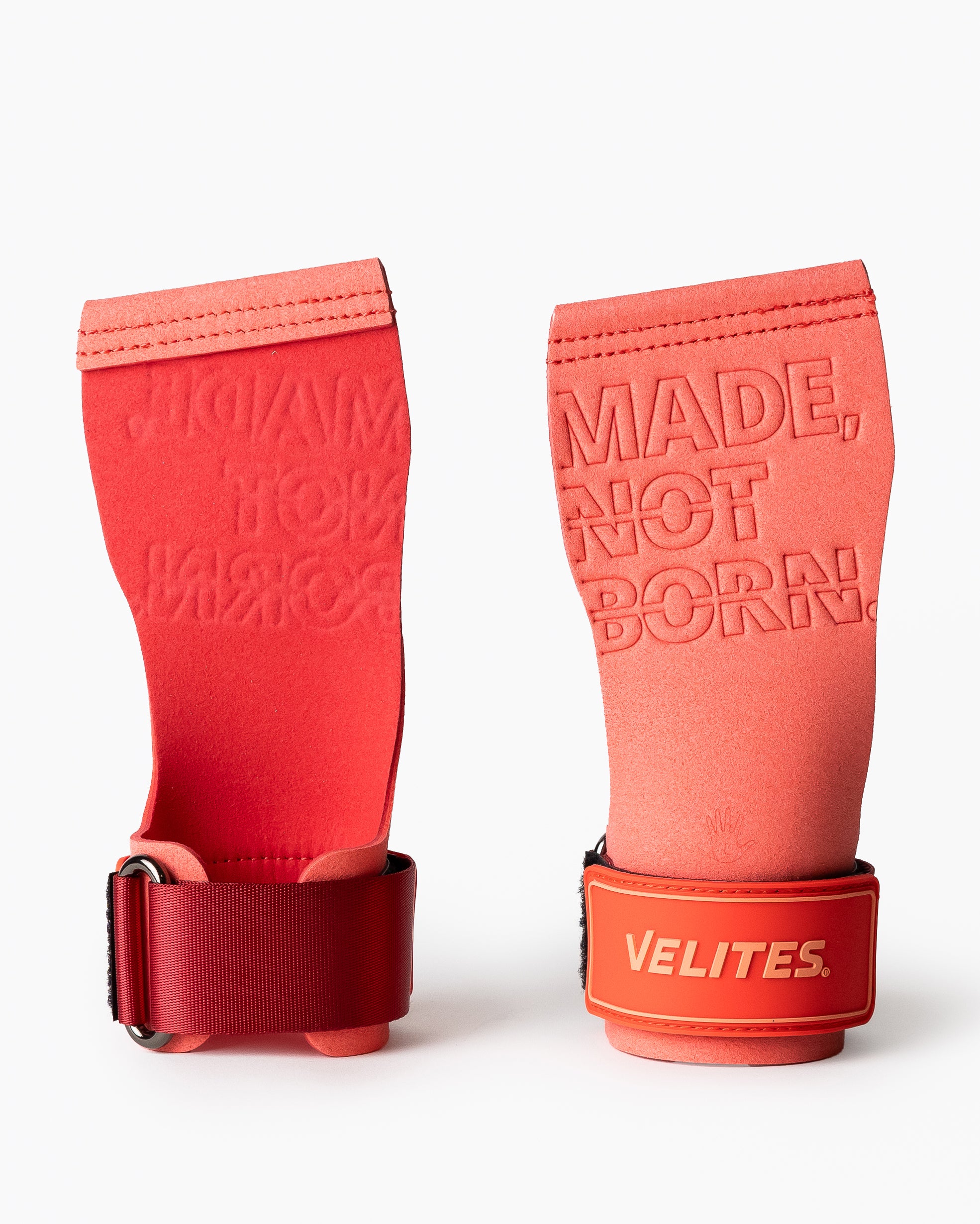
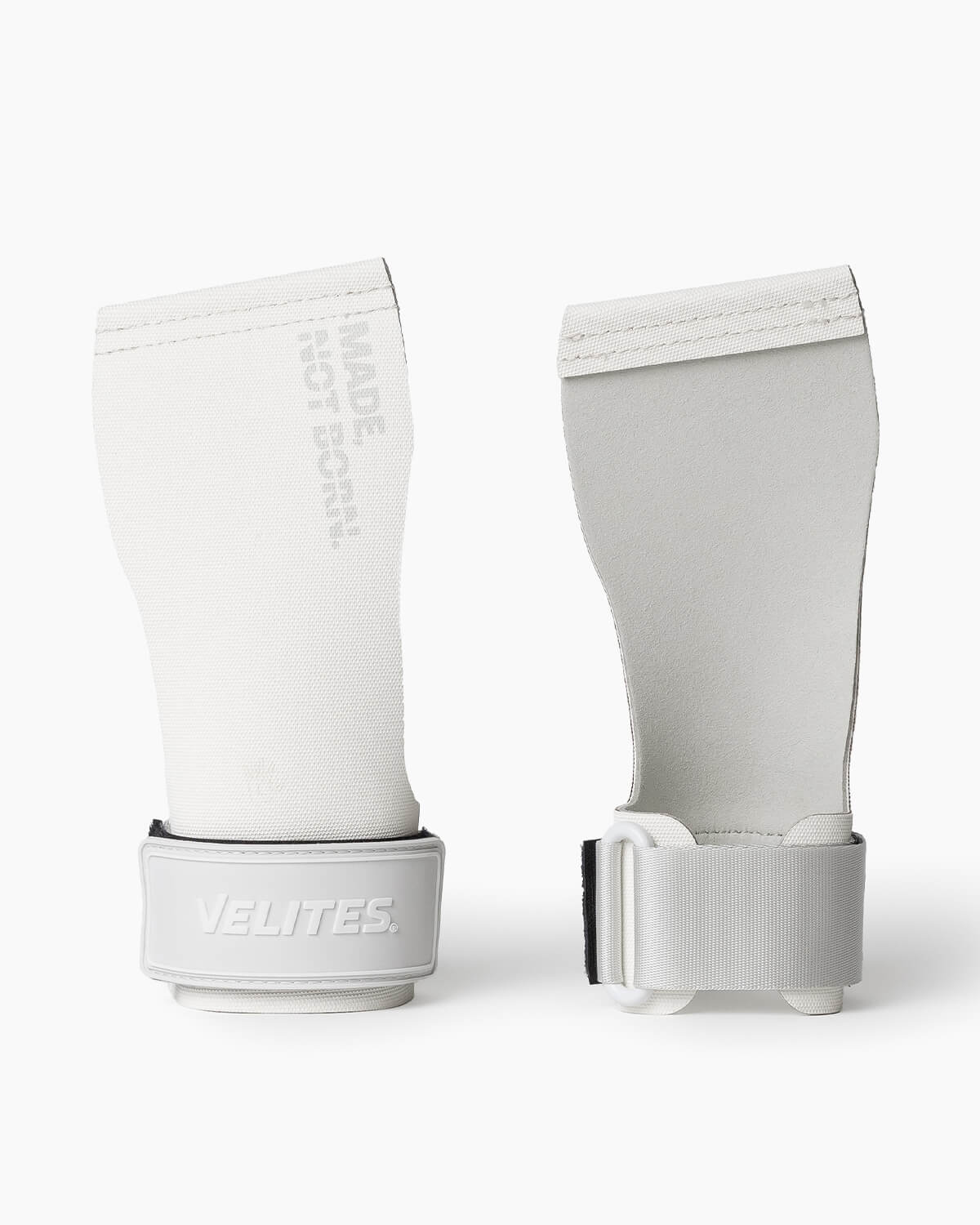
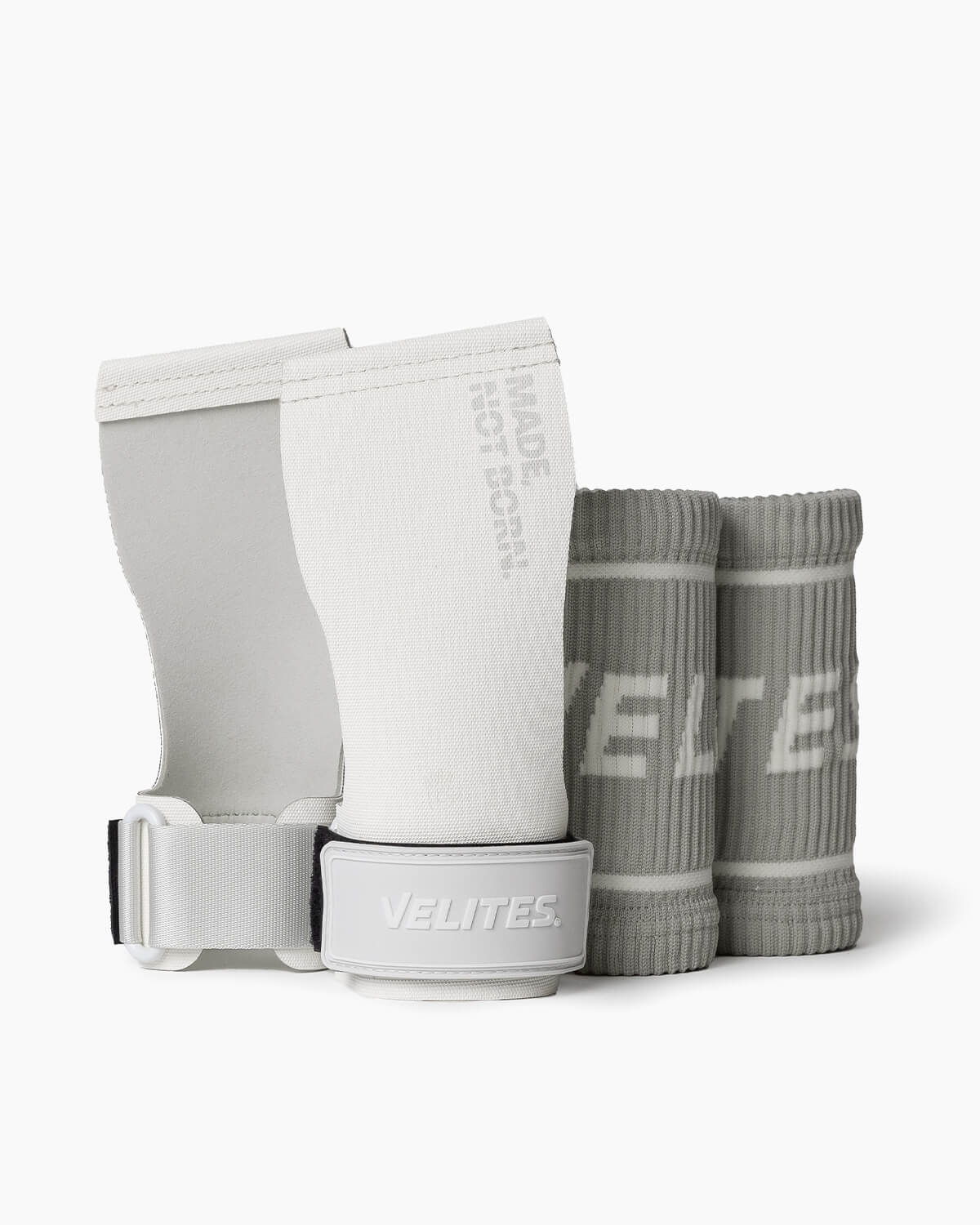
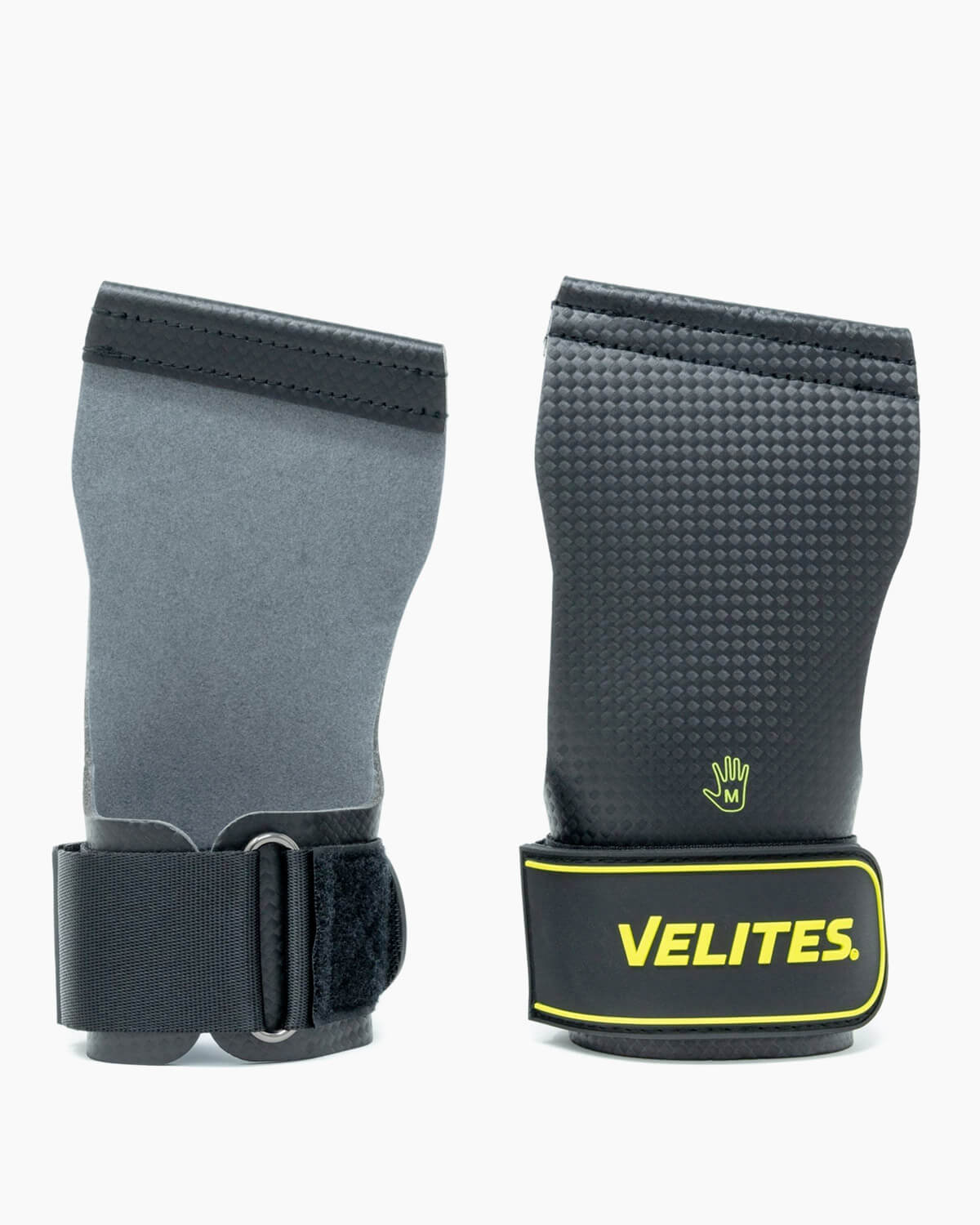
- Velites recommendation: Quad Competition. It maintains protection and reduces doubts when a judge inspects equipment. If you go with Competition, you've already crossed one problem off the list.
If you're specifically preparing for the CrossFit Games and want to see real cases of rules and equipment, here is the revised guide for grips at the CrossFit Games®:
👉 https://eu.velitessport.com/blogs/product-guides/grips-crossfit-games-revised-guide
Real example: ambiguous briefing, different judges per heat. Someone competing with Competition gets in and out without questions; others lose 2–3 minutes discussing details. It's not “grips more or less”, it's that it lets you compete.
Choose by scenario: what to bring and why
There isn't a single answer. There is a criterion you apply in 20–30 seconds when you reach your station. Before listing, think: cleanliness, texture and sweat. That mental snapshot decides for you.
1) Strict or uncertain rules
Your peace of mind matters here. Remove fear from the equation and focus on performing.
- Velites Quad Competition → prioritizes the rules and protection.
- Express routine: 5–10 s hang test + 2 test reps. If you can, thin layer of chalk (never cake it on).
2) Rough bar, heat and sweat (chalk almost certain)
Your objective is secure contact without destroying the palm when the knurling bites.
- Velites Quad Pro → overall balance with chalk.
- Velites Quad Carbon → a very solid feel on rough bars or bars with a lot of chalk.
- Golden rule: thin layer. More chalk ≠ more grip; more chalk = irregular surface.
3) Unpredictable bar (they don't let you clean it, you inherit a “coating” of chalk)
If you can't touch the rig, minimize variables and look for stability without depending on the chalk bucket.
- Velites Quad All Terrain → within the no-chalk, it's the one that behaves best when the surface changes.
- Quick tip: even if the event “smells like chalk,” if your heat starts with a half-decent bar, All Terrain gives you continuity without stops.
Note: Ultra is fantastic on a clean bar, but in competition you rarely control that cleanliness. If you know you'll have a perfect bar, go ahead; if not, prioritize Competition/All Terrain or Pro/Carbon depending on the case.
Your pre-heat ritual: 90 seconds that win points
In competition you don't have half an hour. You have a minute and a half which, well used, changes your result. Before you execute, breathe and follow this order:
- Scan the bar (from a distance): clumped chalk?, aggressive knurling?, does it shine from moisture?
- Decide the system in 5 seconds:
- Strict rules → Competition
- Rough and hot → Pro/Carbon
- Unpredictable and unclean → All Terrain
- Minimum test: hang for 5–10 s and do 2 easy reps. Look for sensations of flat (no folds) and looseness.
- Fine tuning: velcro firm and straight. If they allow chalk, thin layer; if not, don't force it.
- Plan B ready: if it doesn't flow, switch grips without hesitation. 20 s now are worth more than 20 failed reps later.
Managing a “nasty” bar without losing your head
There will be days when the rig looks like a chalk cake. They won't always let you clean it, but if you can, this saves sets:
- Brush/cloth 20–30 s and test 2 reps.
- If it stays “goopy”, shake off excess and reduce the amount of chalk on your hands.
- If they don't let you touch anything: choose a grip that doesn't rely on the bucket (All Terrain) or switch to Pro/Carbon with a very thin layer to stabilize.
Quick story: end of a qualifier, 40 athletes had passed through the same rig. The one who arrived with “coating + layer upon layer” ran out of sets; the one who arrived with simple plan (Competition or Pro/Carbon with thin layer and a test) got clean reps. Same bar, different system.
Useful checklists (with context, not just bullets)
Before you leave, read it as if your coach told it to you: simple and actionable.
Compliance (rules):
- Can my model raise doubts? If yes → Competition and that's it.
- Can I clean the bar? If yes, 20 s of brushing; if not, assume the scenario and adapt the system.
Magnesium:
- If you use it, thin layer. Caking = irregular and slippery surface.
- If you don't use it, prioritize clean bar or a grip stable on changing surfaces (All Terrain).
Fit and test:
- Flat without folds; straight velcro (no twists).
- Test 2 reps: do you release and reposition with control?
Questions we hear at events
“Should I take two pairs?”
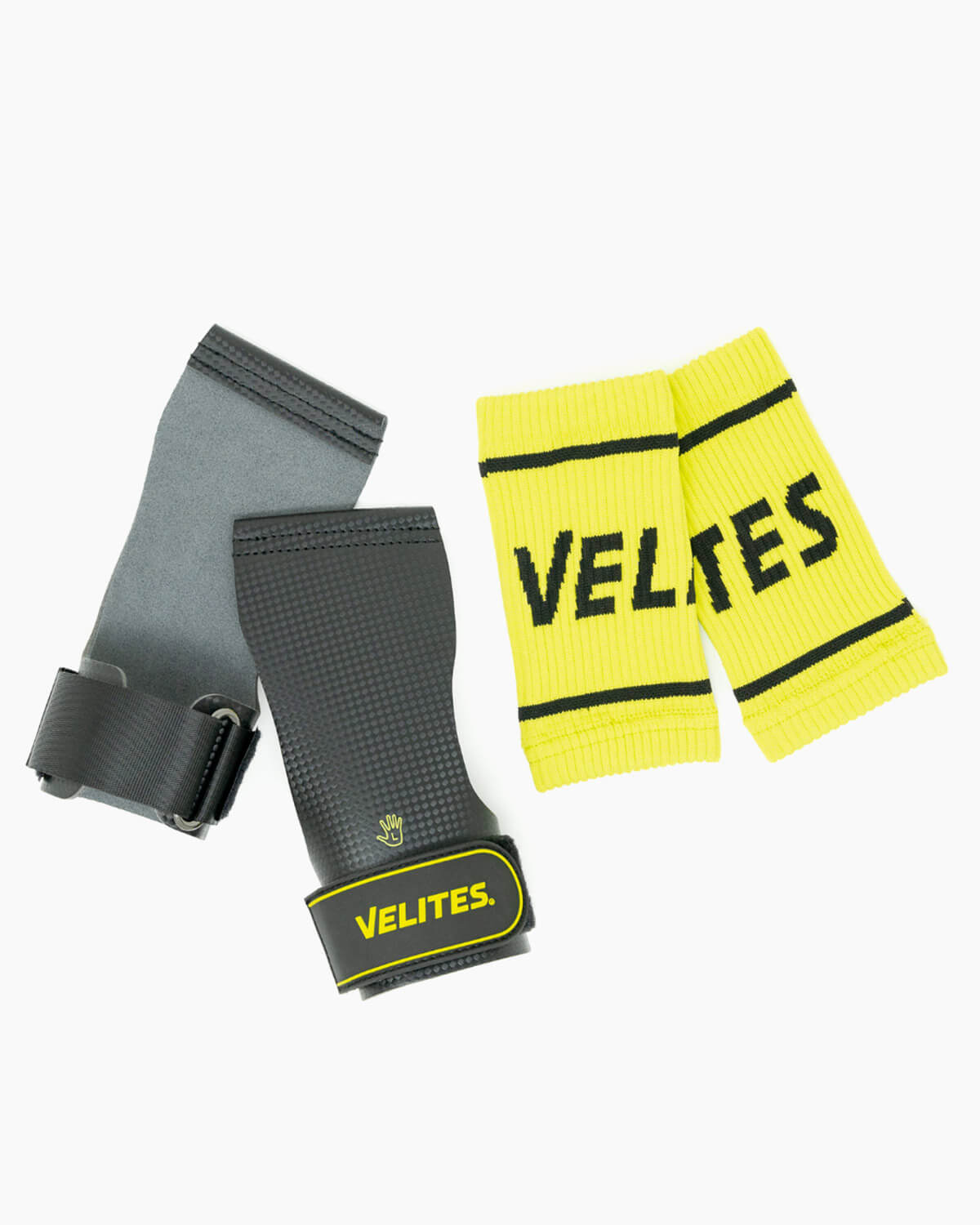
Yes, and make them complementary: Competition + Pro/Carbon cover almost everything. If the event is very unpredictable, add All Terrain in your bag.
“If I'm prohibited from touching the bar, do I switch to no chalk?”
It depends on the state. If it's “coated”, no chalk can be irregular; All Terrain handles that change better. If there's sweat/heat and the bar bites, Pro/Carbon with a thin layer tends to be more stable.
“And if the judge questions my grip?”
Don't argue. Switch to Competition and go back in. Keep your head on the WOD.
Link for extended reading (grips at the CrossFit Games®)
This chapter is your competition playbook when the environment is unpredictable. If you're focused on the CrossFit Games® and want to dig into the details of what's allowed, how it's interpreted and what to prepare for that specific event, here is the revised guide we use as an internal reference:
👉 https://eu.velitessport.com/blogs/product-guides/grips-crossfit-games-revised-guide
| Chalk | No chalk needed | Chalk | No chalk needed |
| Bar Surface | Smooth and knurled bars | Knurled bars | Smooth bars |
| Accessories | Wrist wraps + bag | Wrist wraps | Wrist wraps + bag |


We hope this article and all previous ones about grips and their use in training and competition have been helpful. Remember that at VELITES you will find everything needed to improve as an athlete in functional training, CrossFit and Hyrox.
Keep exploring the complete guide:
- what hand grips actually do
- criteria for choosing your grips
- applying chalk while training with grips
- grip progression by experience
- Velites guide from Ultra to Competition
- size guide for picking the right grips
- step-by-step grip washing and care
- when NOT to use a sticky grip
- Quad Ultra explained in detail